How to Maintain Your RO System for Peak Performance
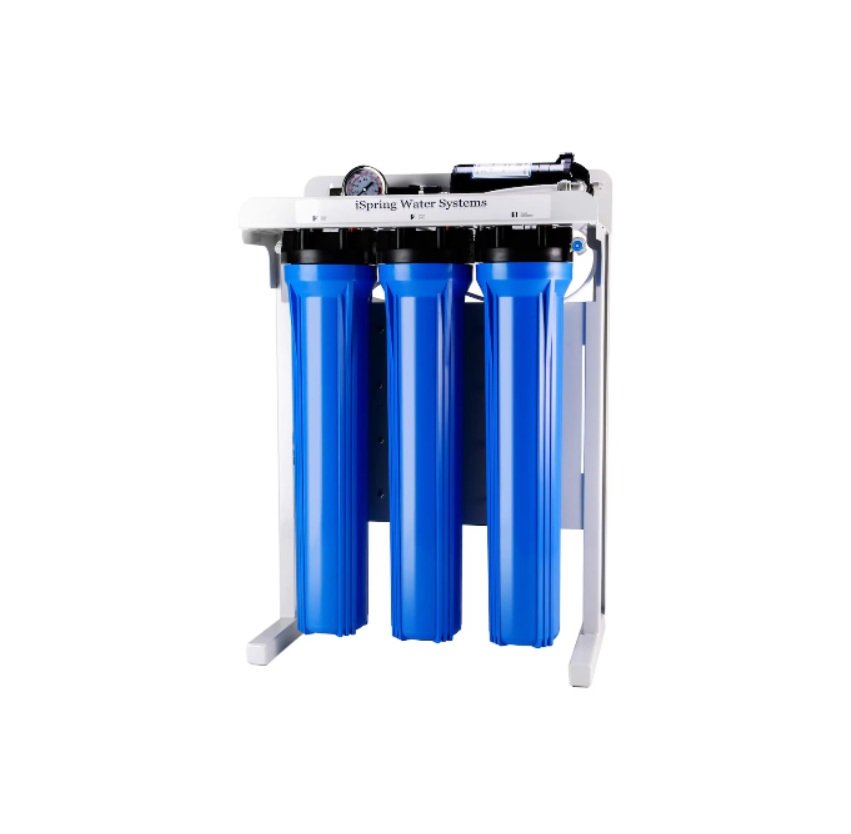
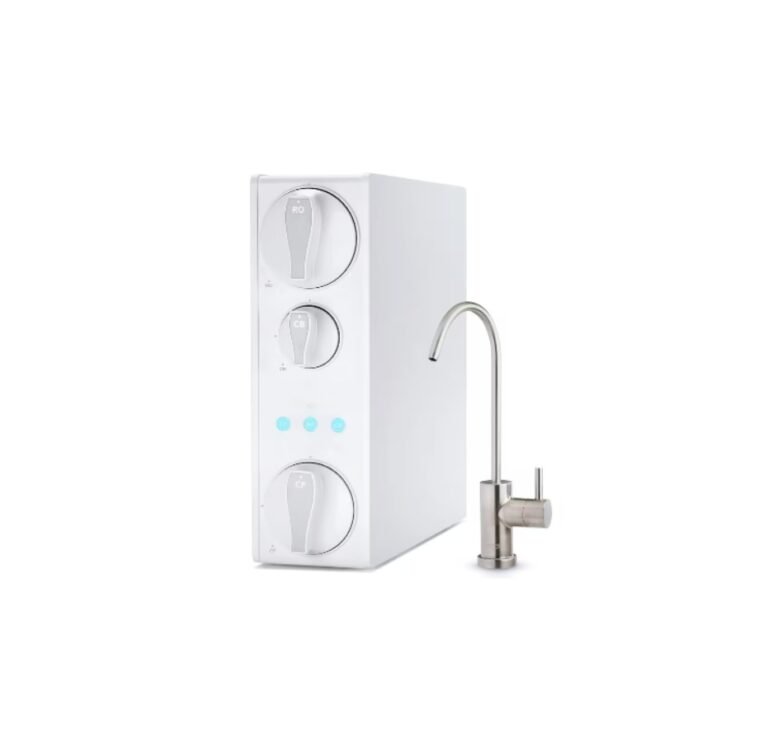
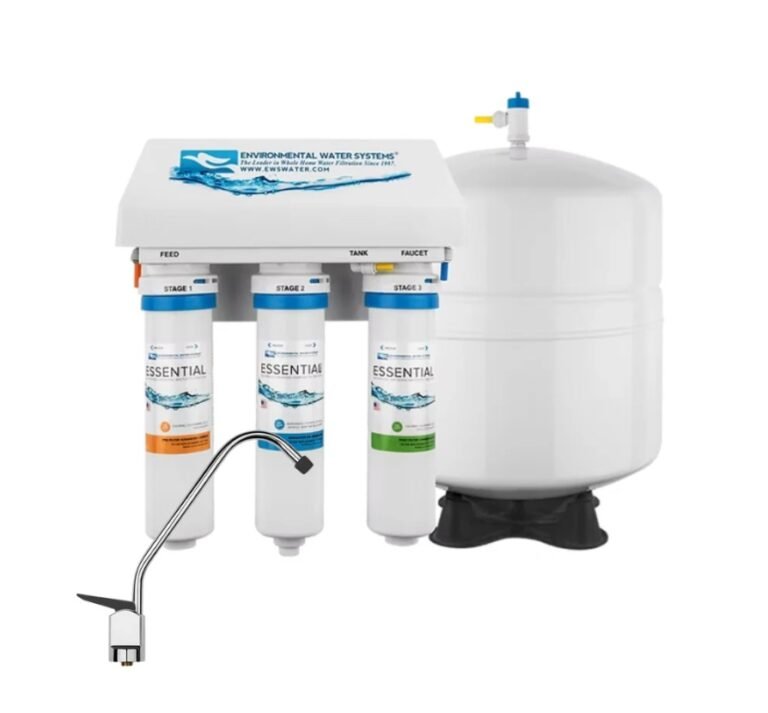
Reverse osmosis (RO) systems are widely recognized for their effectiveness in purifying water. An understanding of the basic components and their roles in the filtering process is essential for proper maintenance. A typical RO system consists of several key elements, including pre-filters, the RO membrane, and post-filters. Each component plays a vital role in ensuring that the water produced is clean and safe for consumption.
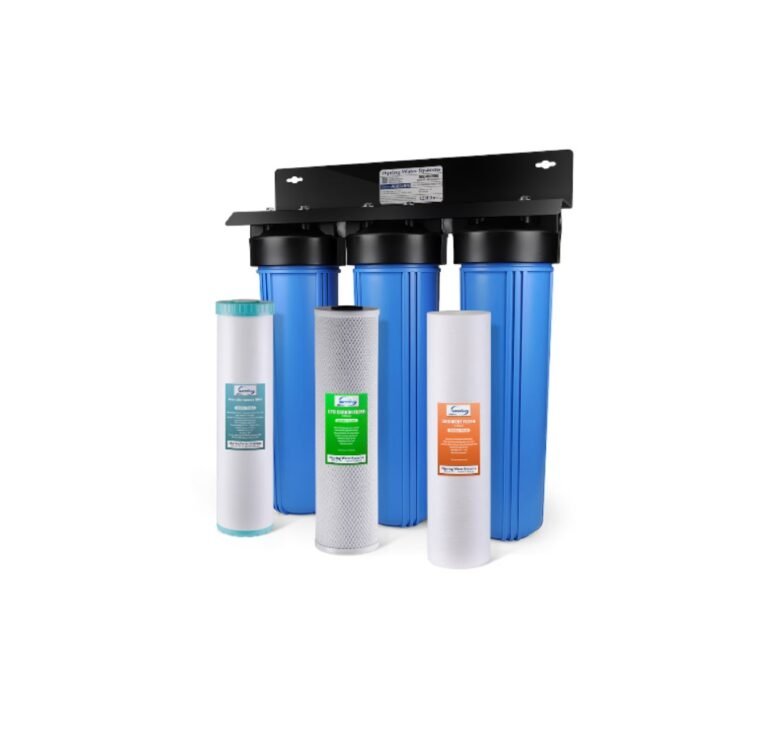
Pre-filters are the first line of defense in any RO system. These filters are designed to remove larger particles, chlorine, and other contaminants before the water reaches the RO membrane. By taking away these substances, pre-filters not only protect the membrane from damage but also extend the overall lifespan of the system. It is crucial to replace these pre-filters at regular intervals to maintain optimal performance.
At the core of the RO system is the RO membrane, which is responsible for the primary filtration process. The membrane functions by allowing water molecules to pass through while blocking larger impurities such as salts, bacteria, and organic compounds. This selective permeability is what makes reverse osmosis an effective purification method. Regular inspection of the RO membrane is essential, as any signs of wear or fouling can significantly reduce the system’s efficiency.
Finally, post-filters are utilized to further polish the water after it has passed through the RO membrane. These filters typically improve taste and remove any remaining impurities. Proper maintenance of these post-filters ensures the quality of the water remains high. Understanding the complete function of each part of the RO system enables users to identify potential issues early and implement necessary maintenance measures.
Routine Maintenance Tasks
Maintaining your reverse osmosis (RO) system is crucial for ensuring its optimal performance and longevity. Routine maintenance tasks not only help in preserving the efficiency of the system, but they also enhance the quality of water produced. Here are essential maintenance tasks you should perform regularly on your RO system.
The first crucial task is changing the filters at recommended intervals. Depending on usage and the quality of your source water, filters typically need to be replaced every six to twelve months. Most manufacturers provide guidelines on when to change pre-filters, post-filters, and the RO membrane. Keeping track of this schedule is vital to prevent clogging and maintain effective filtration.
Next, routine checking for leaks is essential. Inspect all connections and hoses for signs of moisture or water buildup. If you detect any leaks, address them promptly to avoid water damage and ensure system efficiency. Additionally, monitor the water quality produced by your RO system. Regular testing for contaminants such as total dissolved solids (TDS) can provide insights into the performance of your system. If TDS levels begin to rise beyond acceptable limits, it may signal that replacing the membrane is necessary.
Another important maintenance task is flushing the system. Flushing helps remove accumulated sediments and prolongs the lifespan of the membrane. It is generally recommended to flush the system according to the manufacturer’s instructions, but doing so at least once a year can be beneficial.
To help you stay organized, consider creating a maintenance checklist outlining these tasks with corresponding dates. By consistently adhering to these routine maintenance tasks, homeowners can ensure their RO system operates efficiently and continues to provide clean, high-quality water.
Signs That Your RO System Needs Attention
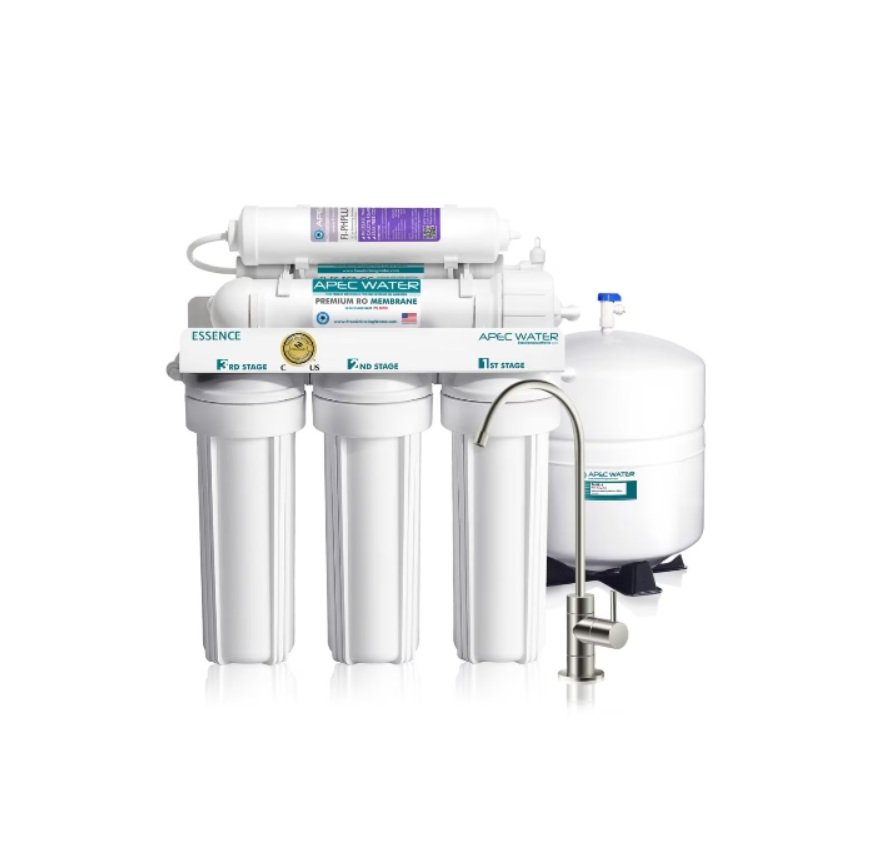
Recognizing when a reverse osmosis (RO) system is not performing at optimal levels is crucial for maintaining the quality of your water supply. One of the primary indicators that your system needs attention is a noticeable decrease in water pressure. When you find that the flow rate is sluggish or tap water is coming out more slowly than usual, this can signal that the membranes or filters within your RO system are becoming clogged or worn. Regular monitoring of water pressure not only highlights immediate issues but can also help in prolonging the lifespan of your system.
Another significant sign to be aware of is the presence of strange tastes or odors in your drinking water. If you detect a metallic, chemical, or musty taste, it is imperative to investigate further. Such changes can indicate that contaminants are not being properly filtered out, potentially due to filter saturation or malfunction. Similarly, any unusual smells may suggest bacterial growth or the breakdown of components within the system. It is recommended to conduct frequent taste tests, as they can serve as an early warning system for water quality degradation.
Additionally, a change in the color of your water warrants immediate attention. If your previously clear water begins to appear cloudy or discolored, it may indicate sediment build-up or inadequate filtering. This alteration could also suggest that the RO membranes have been compromised, allowing impurities to seep through. Timely recognition of these signs can prevent further damage to the system and unnecessary costly repairs, ensuring your RO system continues to deliver clean, safe drinking water.
Maintaining a reverse osmosis (RO) system is vital for ensuring the quality and safety of your drinking water. However, there are certain situations where it is prudent to seek the expertise of a professional technician. Recognizing when to call in a specialist can save time, prevent further damage, and guarantee the continued efficiency of the RO system.
One key scenario in which professional assistance is warranted is during complex repairs. If you discover that your RO system is not functioning correctly and routine troubleshooting methods fail to resolve the issue, a technician can diagnose problems that may not be apparent to the average user. This might include issues related to the membrane, filtration process, or tank integrity that require specialized knowledge and tools to address effectively.
Additionally, extensive leaks can be a red flag indicating a serious problem within your RO setup. If you notice significant water accumulation around the unit or a sudden increase in your water bill, contacting a professional is essential. They can assess the situation thoroughly, identify the source of the leak, and carry out repairs to prevent possible water damage to your home.
Persistent water quality issues, such as strange tastes, odors, or cloudiness in the filtered water, should also prompt a call to a professional. While regular maintenance may address some minor concerns, ongoing problems could indicate that your filters or other components need replacement or that there is a blockage within the system.
When seeking a qualified technician, it is essential to check their credentials, experience, and customer reviews to ensure you receive quality service. A professional RO service should provide a thorough assessment, an honest diagnosis, and a clear explanation of the necessary repairs. Engaging a skilled technician helps maintain your RO system’s performance and ensures your drinking water remains safe and clean.