How Often Should You Replace RO Filters?
Reverse osmosis (RO) systems are advanced water purification technologies that utilize a semipermeable membrane to filter out impurities from water. These systems are increasingly becoming a crucial component in both residential and commercial water filtration setups. The principle behind reverse osmosis involves applying pressure to water, forcing it through the membrane that separates contaminants from clean water.
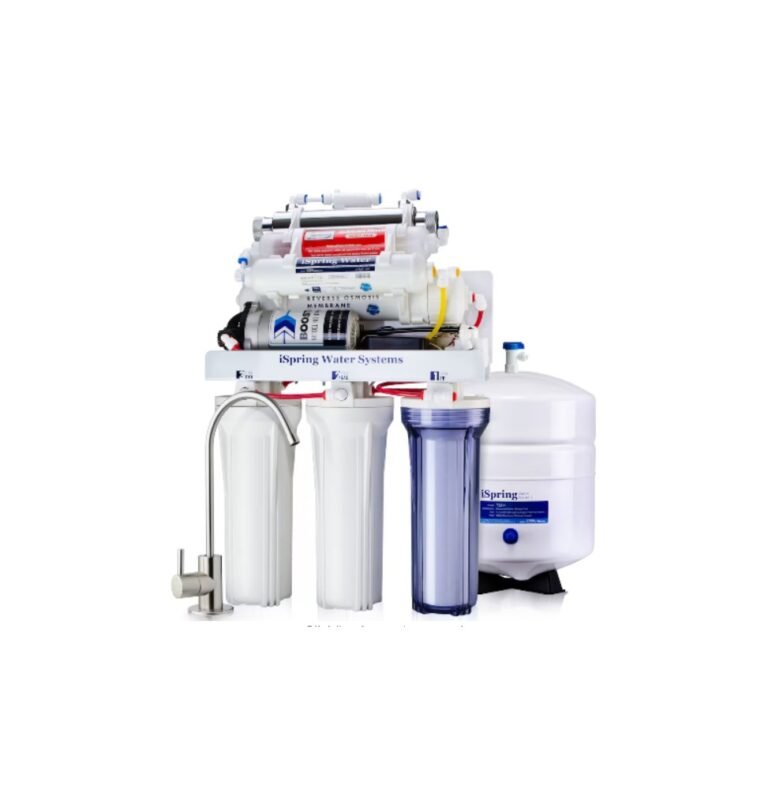
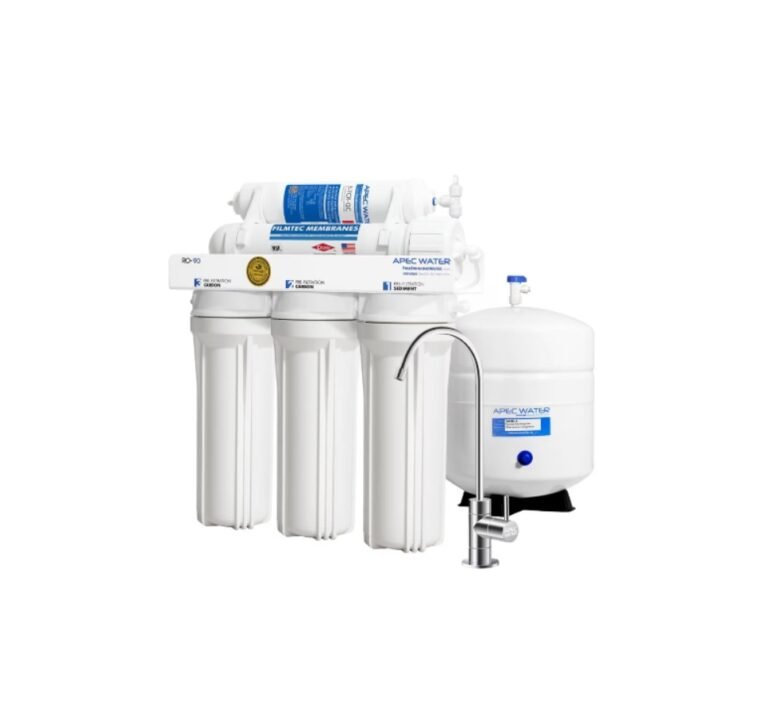
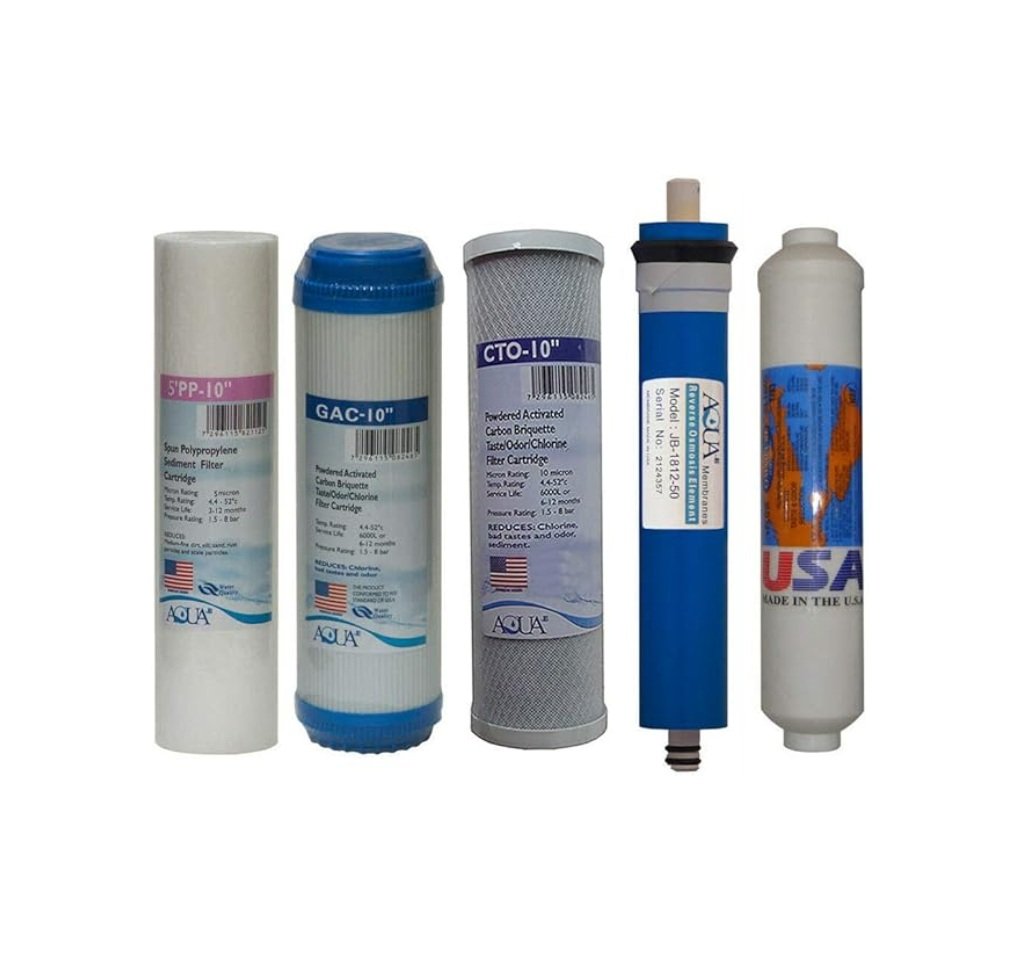
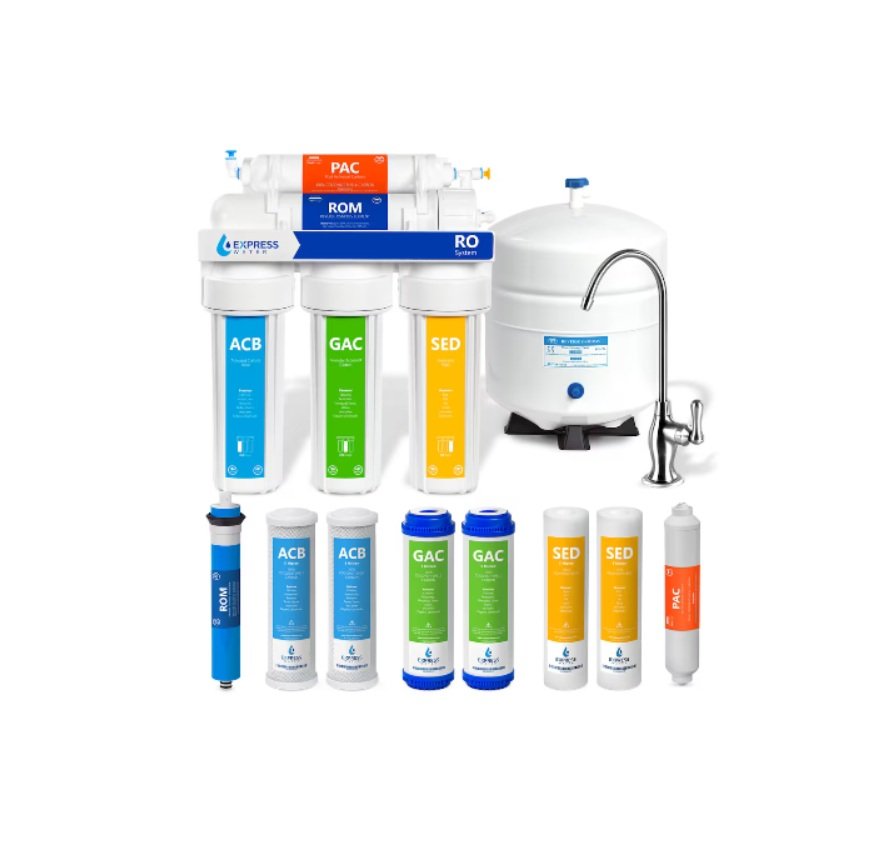
At the heart of an RO system are several key components, which typically include pre-filters, the RO membrane itself, and post-filters. Pre-filters are essential for removing larger particles such as sediment, chlorine, and other chemicals that can damage the RO membrane. The RO membrane is the critical element that effectively filters out dissolved solids, harmful microorganisms, and a broad spectrum of contaminants, including lead, arsenic, and fluoride.
Moreover, the role of post-filters is equally significant, as they ensure the water tastes and smells fresh before it reaches the tap. Each part of the RO system works in tandem to enhance the quality of the water, making it safer for consumption. Given the ability to eliminate up to 99% of impurities, reverse osmosis systems remain an effective solution for both clean drinking water and various other professional applications.
It is imperative to understand that regular maintenance and timely replacement of RO filters are vital for ensuring optimal performance. Over time, contaminants can accumulate and hinder the system’s efficiency. Therefore, being aware of the signs indicating when to change these filters is crucial for maintaining the highest water quality possible.
Indicators That It’s Time to Replace Your RO Filter
Recognizing when to replace your reverse osmosis (RO) filters is essential for maintaining water quality and ensuring effective filtration. Several key indicators can help you determine if it’s time for a replacement. One primary sign is a noticeable change in the taste and odor of the water. If the filtered water starts to develop a strange taste or unpleasant smell, it may indicate that the filters are saturated with impurities and are no longer functioning effectively.
Another important indicator is a decrease in water pressure from the faucet. When the water flow diminishes significantly, it suggests that the filters are clogged and require replacement. A distinct drop in water pressure can lead to inconveniences, making it crucial to monitor this aspect regularly. Additionally, discoloration or cloudiness in the filtered water can suggest contamination or that the filters are overloaded with particles, indicating the need for immediate action.
It is also advisable to follow specific time intervals for filter replacement based on average usage. General guidelines recommend replacing RO filters every six months to two years, depending on your water quality and usage levels. Regular monitoring of the filter condition can help extend its lifespan and ensure optimal performance. By being attentive to these signs and adhering to a replacement schedule, you can significantly enhance the quality of your filtered water, ensuring it remains safe and pleasant for consumption.
Recommended Replacement Schedule for RO Filters
Reverse osmosis (RO) systems are vital for ensuring the delivery of clean and safe drinking water. However, the effectiveness of these systems depends significantly on the timely replacement of the filters involved. It is essential to adhere to a recommended replacement schedule to maintain optimal performance. Generally, RO systems have three types of filters: pre-filters, post-filters, and the RO membrane, each requiring distinct attention.
Pre-filters, often carbon-based, serve to eliminate larger particles and chlorine from the water before it reaches the RO membrane. These filters should ideally be replaced every 6 to 12 months. The exact timeframe can depend on the quality of the source water and the frequency of system use. For households with poor water quality or higher usage, more frequent replacements may be necessary.
The RO membrane is a crucial component of the system, responsible for removing contaminants at a molecular level. It generally has a longer lifespan compared to pre-filters, typically lasting between 2 to 5 years, depending largely on the quality of the influent water and the system’s operational demands. Regular maintenance and proper water pressure can help extend the life of the RO membrane. However, signs of reduced water flow or increased TDS (total dissolved solids) levels often indicate that a replacement is due.
Post-filters, usually carbon filters, enhance the taste and odor of water after it exits the RO membrane. These should be replaced approximately every 12 months. Like the pre-filters, the replacement frequency can vary based on water quality. Implementing a regular maintenance schedule designed around these recommendations can significantly enhance the longevity and efficiency of the entire RO system.
Best Practices for Filter Maintenance and Replacement
Maintaining and replacing reverse osmosis (RO) filters is crucial for the effective operation of your water purification system. Regular check-ups and mindful practices can significantly prolong the life of your filters and enhance their performance. One of the best practices for filter maintenance is to establish a replacement schedule based on the manufacturer’s recommendations. Typically, pre-filters and post-filters should be replaced every 6 to 12 months, while membrane filters can last between 2 to 5 years depending on water quality. By adhering to these timelines, you can ensure that your system consistently delivers clean and safe drinking water.
Proper installation of new filters is also important. When replacing filters, make sure to follow the instructions provided by the manufacturer closely. This includes ensuring proper alignment and avoiding cross-threading the connections. Incorrect installation not only affects the filter’s performance but can also lead to leaks, which could compromise the entire system. Before installing new RO filters, it’s advisable to perform a thorough cleaning of the filter housing to remove any contaminants or residues.
It’s beneficial to keep a maintenance log, documenting replacement dates and any issues encountered. This will help you track the performance of your system over time and identify patterns that may necessitate more frequent replacements. Additionally, be aware of common mistakes such as neglecting to flush new filters before use, as this can lead to a suboptimal filtration process. Avoiding these pitfalls will enhance the lifespan of your RO filters. By integrating these best practices into your routine, you can maintain the efficiency of your RO system effectively.