Emergency Tips for No-Hot-Water Situations
Experiencing a sudden lack of hot water can be both inconvenient and perplexing for homeowners. Understanding the common causes behind this issue is essential for determining the appropriate course of action. Frequently, hot water problems stem from issues with the hot water heater itself, which can range from mechanical failures to inadequate power supply.
One prevalent cause is a malfunctioning thermostat. The thermostat regulates the water temperature within the tank, and if it fails, the water may not heat properly. Homeowners often overlook simple adjustments, such as increasing the temperature setting on the thermostat. It is typically safe to set the thermostat to a higher prior reading, but caution should be exercised to avoid scalding temperatures.
Another issue could be a tripped circuit breaker or blown fuse, especially in electric heaters. These power problems can render the heater inoperative. Regular maintenance checks can help prevent these electrical issues from arising. Homeowners should verify that the heater is receiving power, as a lack of electricity will stop the heating process.
Additionally, there may be a limitation on hot water usage due to high demand. If multiple devices are using hot water simultaneously, such as showers and dishwashers, the supply can quickly dwindle. In such instances, staggering use can relieve pressure on the hot water supply.
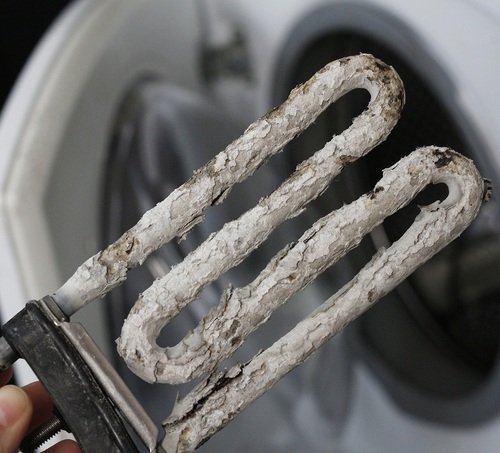
If none of these solutions seem to resolve the issue, there may be deeper mechanical problems, such as sediment buildup in the tank or a failing heating element. In these cases, it is often advisable to seek professional assistance to restore normal function. Understanding these potential causes equips homeowners with the knowledge needed to either troubleshoot the issue or address it with a qualified technician.
Immediate Solutions to Restore Hot Water
Experiencing a lack of hot water can be discomforting, but there are various immediate solutions you can implement to temporarily restore hot water in your home. Here are some practical steps you can take to address this issue promptly.
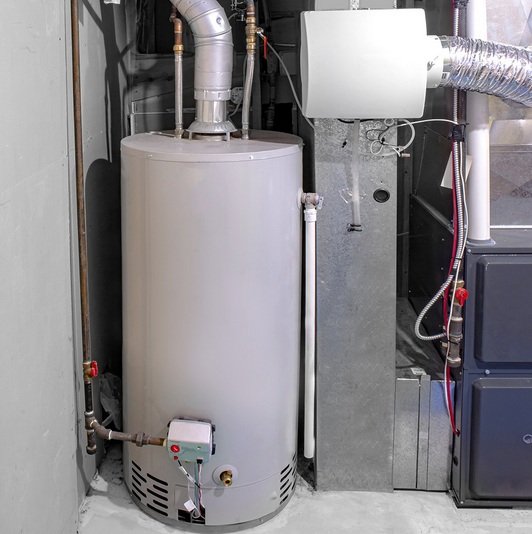
First, inspect the settings on your hot water heater. For gas water heaters, ensure that the pilot light is lit. If it is not, follow the manufacturer’s instructions to safely relight it. For electric water heaters, check the thermostat settings; they should typically be set between 120°F to 140°F (49°C to 60°C) for optimal hot water availability. If the thermostat is set too low, adjusting it may restore hot water.
Next, resetting the circuit breaker can also prove effective, especially for electric hot water heaters. Locate your electrical panel and identify the breaker that corresponds to the water heater. If it has tripped, turn it off and then back on again to reset it. After several minutes, check if hot water is available. If not, it may indicate a larger issue that requires professional intervention.
In addition to these checks, you may need to consider alternative heating methods for bathing or cleaning. Boiling water on the stovetop is a quick solution for creating warm water; however, exercise caution to avoid burns. You can also use electric kettles or microwaves to heat water for smaller tasks. For personal hygiene, sponge baths using heated water can be a viable temporary option.
Implementing these steps can mitigate discomfort while waiting for a more permanent solution to your hot water issue. Taking immediate action is essential to restore hot water access and ensure the well-being of those in your household.
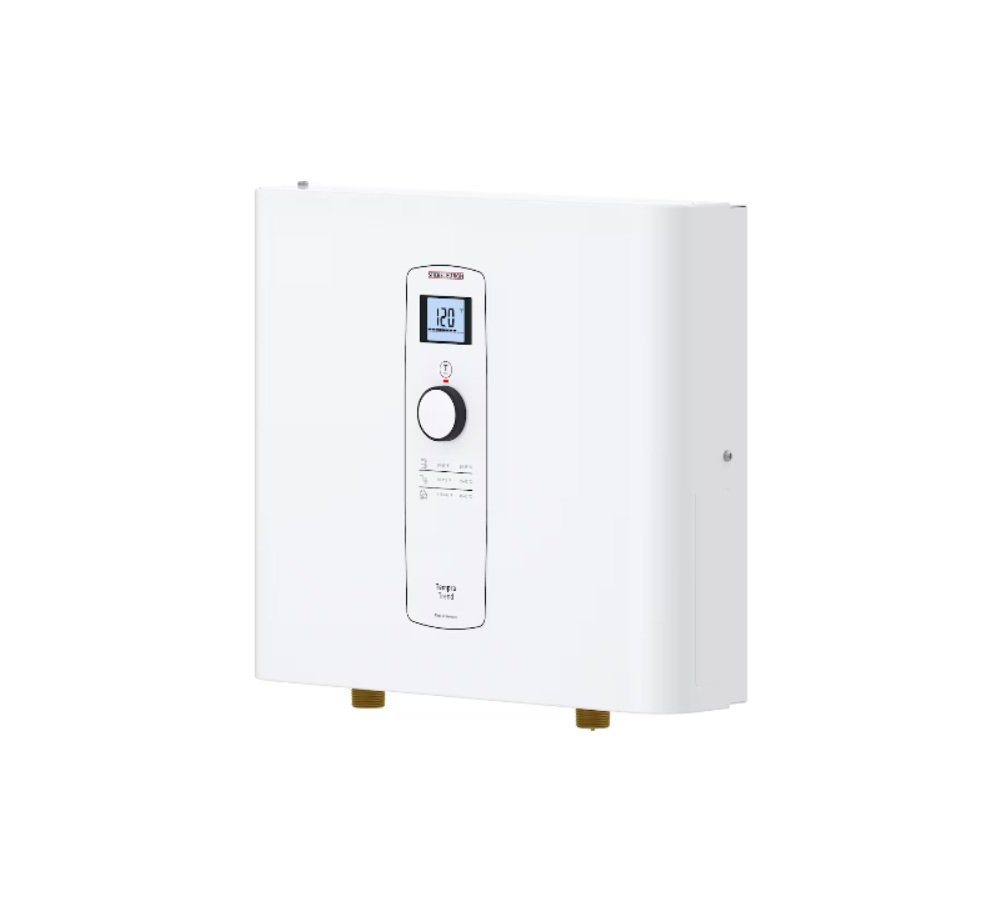
Preventative Measures to Avoid Hot Water Issues
Maintaining a reliable hot water supply in your home is essential for comfort and daily convenience. Implementing preventative measures can significantly reduce the likelihood of experiencing hot water outages. Regular maintenance of your water heater is one of the most effective strategies. It is advisable to flush your water heater at least once a year to eliminate sediment buildup, which can reduce efficiency and potentially lead to malfunction. Following the manufacturer’s guidelines for maintenance checks can help prolong the lifespan of the unit.
As a homeowner, staying vigilant for signs of potential problems is crucial. Common indicators that your water heater may be nearing failure include unusual noises—like popping or rumbling sounds—which may suggest sediment buildup inside the tank. Additionally, if you notice fluctuations in water temperature or a decrease in pressure, these could signal an issue that requires attention. Furthermore, rust or leaks around the unit should never be ignored, as they can lead to major repairs or replacements.
In conjunction with regular maintenance, optimizing your household’s hot water usage can contribute to preventing issues. For instance, insulating your water heater and pipes can help maintain water temperature, reducing stress on the unit. Installing low-flow faucets and showerheads can cut down on hot water consumption without sacrificing comfort. Also, staggering the use of hot water during peak times can prevent overloading the system. By being proactive about maintenance and usage, homeowners can foster a reliable hot water supply while enhancing the efficiency and longevity of their heating equipment.
When to Call a Professional Plumber
In some situations, it is crucial for homeowners to seek the assistance of a professional plumber to address hot water issues effectively. While many minor problems can be rectified through do-it-yourself methods, certain red flags indicate that it is time to involve a professional. Recognizing these signs can save time, reduce stress, and avoid potentially costly repairs.
One significant warning sign is the presence of leakage around the water heater or associated plumbing. Leaks may not only lead to a loss of hot water but can also result in water damage and mold growth if not addressed promptly. Engaging a professional can help identify the root cause of the leak and implement an appropriate solution.
Another telling indicator is the emergence of unusual noises from the water heater, such as rumbling, popping, or hissing sounds. These noises may suggest sediment buildup, pressure issues, or other mechanical failures that require expert attention. A qualified plumber can diagnose these problems effectively and propose the necessary repairs, ensuring that the water heater functions safely and efficiently.
Finally, if previous DIY efforts to restore hot water have failed, it is advisable to contact a professional plumber. Amateur attempts can sometimes exacerbate the problem, leading to more extensive damage or additional expenses. Professionals have specialized tools and experience needed to address complex issues that may be beyond the scope of basic home repairs.
In conclusion, being attuned to these critical indicators can significantly benefit homeowners in managing their hot water systems. Timely action in calling a professional can ensure safe, effective repairs and restore the comfort of hot water in the home.