How to Check and Adjust Your Water Heater Temperature
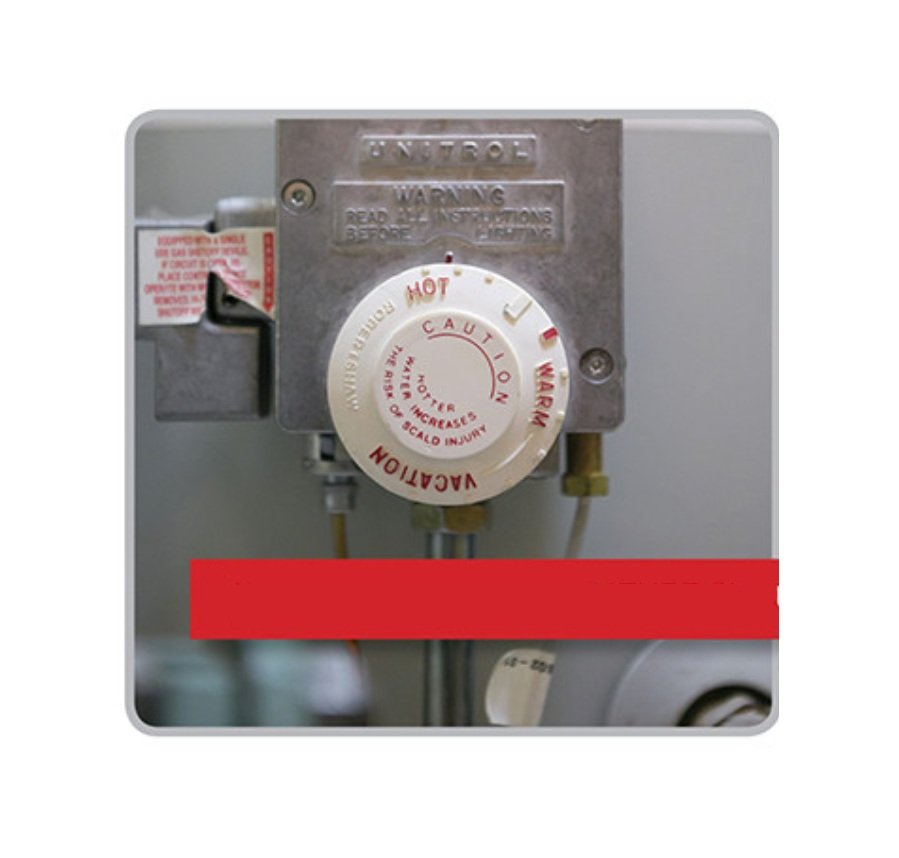
Water heater temperature settings are vital parameters that influence both safety and energy efficiency in the household. These settings typically range from the lowest temperature, around 120 degrees Fahrenheit, to the maximum, which can reach up to 140 degrees Fahrenheit or higher. Understanding these settings is essential for ensuring that the water heater meets everyday needs while also mitigating potential hazards.
Most plumbing and safety organizations, including the American Red Cross and the U.S. Department of Energy, suggest that a water heater be set to approximately 120 degrees Fahrenheit. This temperature is generally considered optimal for supplying hot water for bathing, cleaning, and cooking while reducing the risk of scalding injuries, particularly in households with children and older adults.
On the other hand, setting the temperature too high can lead to severe risks, including burns and scalding accidents. Water at temperatures above 140 degrees Fahrenheit can cause third-degree burns in just a few seconds. Conversely, if the temperature is set too low, typically below 120 degrees Fahrenheit, there is an increased risk of bacterial growth, particularly from Legionella, which can lead to Legionnaires’ disease, a serious form of pneumonia.
Therefore, it is crucial to find a balance in temperature settings. Regular maintenance checks and adjustments can help ensure that your water heater operates at safe temperatures, maximizing efficiency while minimizing health risks. With appropriate knowledge and attention to these settings, homeowners can significantly enhance the safety and efficiency of their water heaters.
Gathering the Necessary Tools
Before testing the temperature settings of your water heater, it is crucial to gather the appropriate tools and equipment to ensure a safe and effective process. The primary tool you will need is a reliable thermometer, preferably a digital one. Digital thermometers provide quick and accurate readings, making them ideal for measuring the water temperature precisely. You can find these thermometers at local hardware stores or online retailers.
In addition to a thermometer, it is advisable to have a towel on hand. This towel will help catch any drips or spills that may occur during the testing process, especially if your water heater is located in an area prone to moisture accumulation. By using a towel, you can maintain cleanliness and prevent any potential slipping hazards from water on the floor.
Another essential item is suitable protective gear, such as gloves. Water heaters can operate at high temperatures, and handling plumbing fixtures may expose your hands to hot surfaces. Wearing gloves not only protects your skin from burns but also provides an added layer of safety while you are adjusting any settings or accessing the water heater.
When approaching the water heater, safety should be your top priority. It is advisable to turn off the power or gas supply to the heater before beginning any tests. If your water heater is electric, locate the circuit breaker and turn it off. If it is gas-operated, turn off the gas valve. Always ensure that the area is well-ventilated to avoid any hazardous gas builds up. By taking these precautions and utilizing the right tools, you can safely test the temperature settings of your water heater, ensuring optimal performance and safety for your home.
Steps to Test Your Water Heater’s Temperature Settings
To ensure your water heater is operating efficiently and safely, it is crucial to periodically test its temperature settings. Here is a detailed step-by-step guide to help you check and adjust the temperature of your water heater.
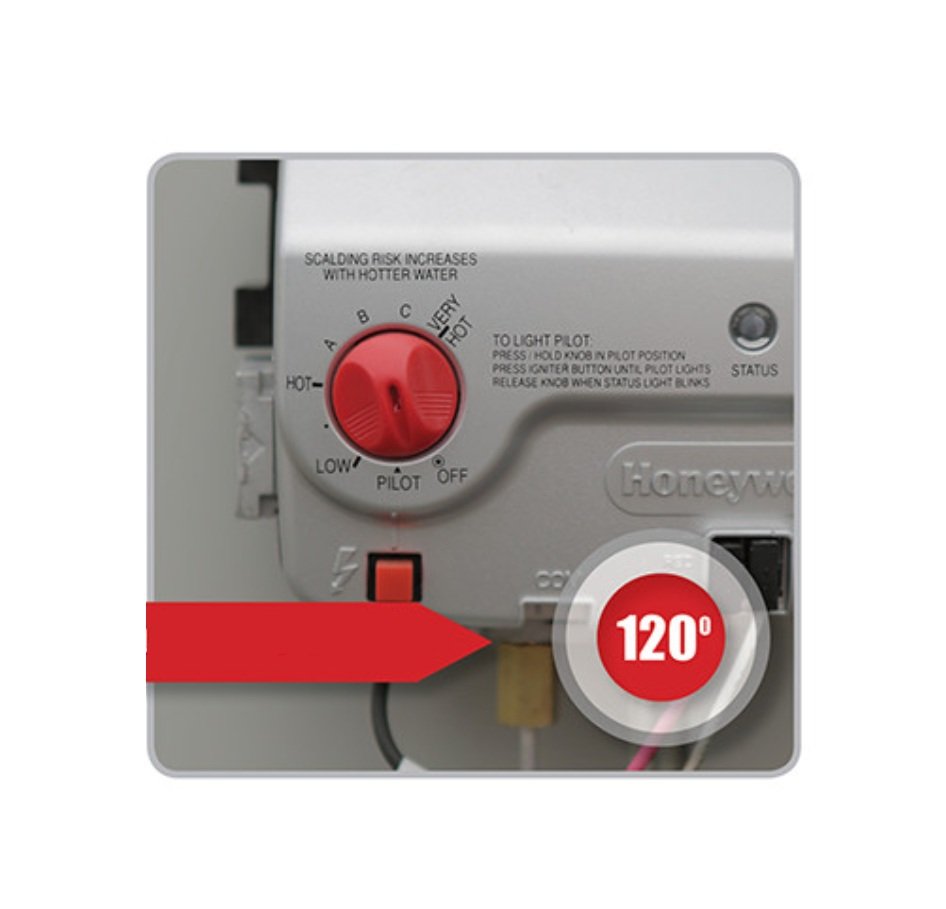
First, locate the temperature dial or thermostat. This is typically found on the front of your water heater; for electric heaters, it may be behind a panel. Carefully open the panel if necessary, and inspect the dial. Most water heaters should be set to a temperature range between 120°F and 140°F (approximately 49°C to 60°C) for optimal performance. Higher settings can pose a risk of scalding, especially for children and elderly individuals.
Next, grab a kitchen thermometer or any accurate digital thermometer to check the actual temperature of the water. Turn on a hot water faucet, and allow it to run for several minutes to get an accurate reading. Insert the thermometer into the stream of flow to measure the temperature of the water. Make sure to note the reading carefully.
If the temperature reading from the faucet is below your desired comfort level, it may indicate that the thermostat setting is too low. Conversely, if the temperature exceeds 140°F, consider adjusting the thermostat down to prevent burns and to promote energy efficiency.
To adjust the temperature, simply turn the dial on the thermostat to your desired setting. After making changes, wait approximately a few hours before testing the water temperature again to give the heater time to adjust to the new settings.
Regularly checking and fine-tuning your water heater’s temperature can enhance your home’s safety and comfort, ensuring that hot water meets your needs without compromising safety standards.
Troubleshooting and Adjusting the Temperature Settings
Testing and adjusting your water heater’s temperature settings may occasionally reveal issues that require attention. One common problem is a malfunctioning thermostat. This device is responsible for regulating water temperature, and if it fails, you may notice inconsistent heating or your water not getting hot enough. If your water heater is consistently producing lukewarm water or boiling hot water, the thermostat may need recalibration or replacement. Before making any adjustments, ensure that the heater is disconnected from power to prevent accidents.
Another issue to consider is sediment buildup in the water heater tank. Over time, minerals can accumulate and create a barrier, affecting how well the water heater operates. If you suspect this is the issue, consider flushing the tank. Regularly flushing your water heater can help maintain optimal performance and temperatures. A general rule of thumb is to flush the tank at least once a year, but this may vary based on water quality.
If, after adjusting temperature settings, you are still experiencing inconsistent temperatures, it may be time to call a professional. Water heaters are complex systems, and some problems are better left to experienced technicians. Professionals can conduct thorough diagnostics, including checking elements like heating coils and electrical components, to ensure everything is functioning correctly.
To avoid these issues in the future, establish a routine maintenance schedule for your water heater. Regular inspections can catch small problems before they become significant. Check the temperature settings every few months and ensure they are within the recommended range of 120°F to 140°F. This practice not only helps in maintaining comfortable water temperatures but also improves energy efficiency, ultimately saving you money on utility bills.