When to Upgrade Your Water Heater to Tankless
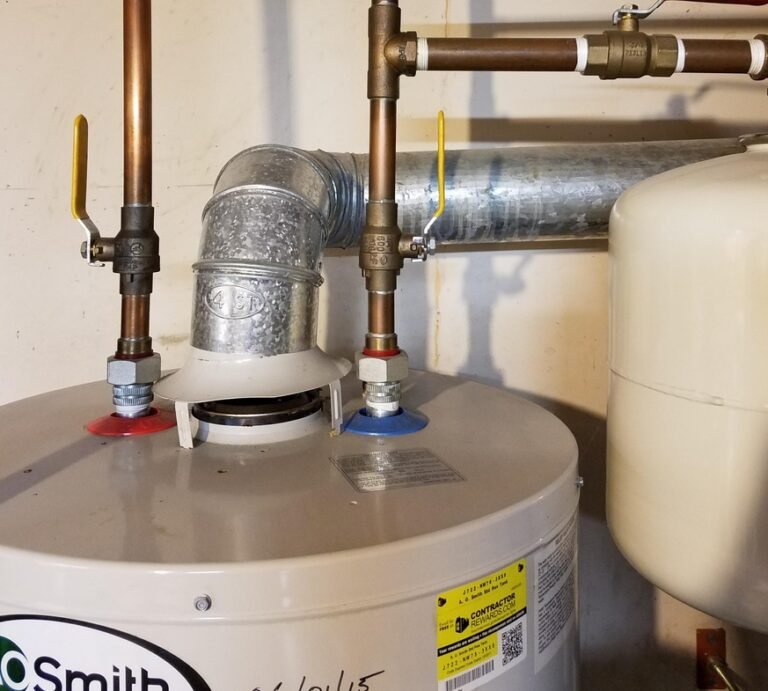
When considering water heating systems, one must evaluate the functionality and efficiency of traditional tank water heaters in contrast to tankless models. Traditional water heaters operate by storing a predetermined amount of heated water in a tank, typically holding anywhere from 20 to 80 gallons. These units continuously maintain the water temperature, leading to significant energy consumption to keep the stored water hot, regardless of immediate demand.
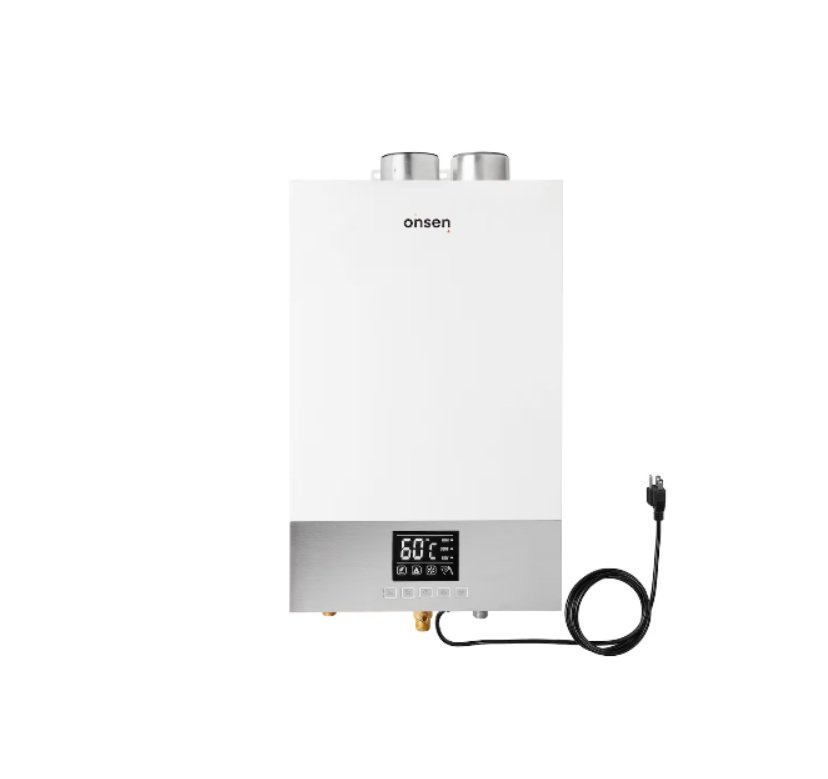
Conversely, tankless water heaters, also known as on-demand water heaters, heat water directly as it flows through the unit. This means there is no need for a storage tank, and therefore, they provide hot water only when needed. As a result, tankless systems have a higher energy efficiency rating compared to their tank counterparts, which can significantly reduce energy bills in the long term.
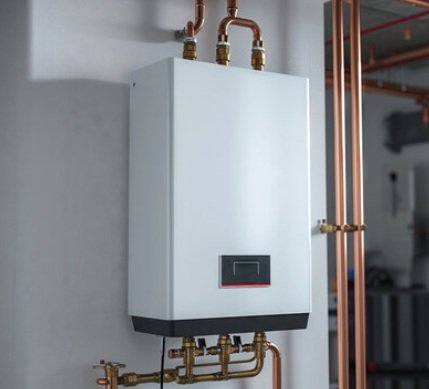
Size and capacity are additional crucial differences between these two types of water heaters. Traditional water heaters require adequate space for the tank, often resulting in a larger footprint within a home. Tankless models, however, are more compact and can be installed in various locations, including small closets or mounted on walls, which can save valuable space.
While tankless water heaters offer advantages in energy efficiency and space-saving design, they can come with higher upfront installation costs. Furthermore, they may provide a limited output of hot water at any given moment, potentially posing challenges in households with simultaneous hot water demands. Meanwhile, traditional water heaters can supply hot water conveniently but may fall short in energy efficiency and long-term operating costs.
In conclusion, choosing between traditional and tankless water heaters requires careful consideration of household needs, space availability, and the balance between upfront costs and long-term savings. Each system has its advantages and disadvantages, making it essential to evaluate them based on personal requirements and preferences.
Signs That Indicate You Need an Upgrade
Deciding when to upgrade your water heater to a tankless model can be a significant choice for any homeowner. There are several clear signs that suggest it may be time to consider making this upgrade. One of the most prominent indicators is the frequency of repairs on your existing system. If you find that you are regularly calling for maintenance or repairs, it may be more economical in the long run to invest in a tankless water heater, which requires less upkeep and has a longer lifespan.
Another sign to watch for is inconsistent water temperatures. If you notice that your hot water fluctuates between hot and cold, this could indicate that your current system is struggling to keep up with demand. Tankless water heaters heat water on demand, ensuring a stable supply regardless of how many appliances are in use simultaneously.
Insufficient hot water supply is also a substantial reason to consider an upgrade. Households that experience moments where hot water runs out quickly during peak usage times should evaluate their existing water heater’s capacity. A tankless heater can provide a continuous flow of hot water, making it ideal for larger families or households with increased demand.
The age of your current water heater is another critical factor. Most traditional water heaters have a life expectancy of 10 to 15 years. If your unit is approaching or exceeding this age, it might be trending towards failure, warranting an upgrade. Additionally, if you have observed a consistent increase in your energy bills, it may be time to assess the efficiency of your water heater. Tankless systems are known for their energy efficiency, potentially leading to lower utility bills.
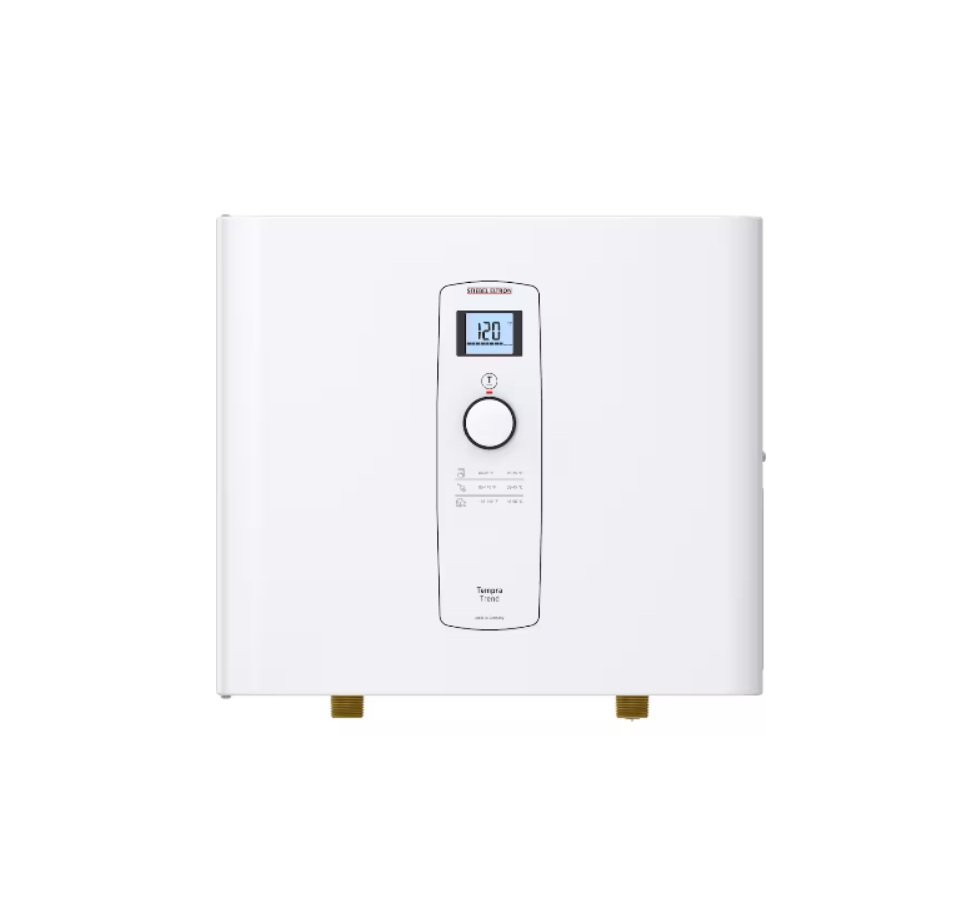
The Long-Term Benefits of Tankless Water Heaters
Investing in a tankless water heater can yield numerous long-term advantages, positioning it as a forward-thinking alternative to traditional water heating systems. One of the primary benefits of tankless water heaters is their energy efficiency. These units only heat water as needed, which can significantly reduce energy consumption. According to the U.S. Department of Energy, homeowners can save between 24% to 34% on water heating costs compared to traditional tank systems, particularly for households that use 41 gallons or less of hot water daily.
Additionally, tankless models are designed to be more compact and space-efficient than their counterparts. This space-saving design not only allows installation in various settings but also frees up valuable floor space, making it particularly advantageous for smaller homes where every square inch counts. A tankless water heater can often be mounted on a wall, providing flexibility in installation locations.
Another notable advantage is the availability of endless hot water. Unlike traditional tanks that limit hot water supply based on their capacity, tankless systems can provide continuous hot water on demand, making them ideal for larger families or homes with multiple simultaneous water use points. This ensures that you will not run out of hot water during a shower or while washing dishes.
From a risk mitigation perspective, tankless water heaters also present a reduced risk of leaks and water damage, as there is no large storage tank that can rupture. Consequently, homeowners may find peace of mind knowing their property is less susceptible to the devastating effects of water-related damages.
In terms of increased property value, many prospective homebuyers appreciate energy-efficient and modern amenities. A tankless water heater can be an attractive selling point, potentially enhancing the resale value of your home. Overall, the long-term financial savings and environmental benefits of tankless systems make them a wise investment for many households.
Factors to Consider Before Making the Switch
Deciding to upgrade to a tankless water heater is a significant investment that requires careful evaluation of several crucial factors. One of the foremost considerations is your household’s hot water demands. Assess the number of appliances and fixtures that utilize hot water, as well as peak usage times. Tankless systems provide hot water on demand, effectively eliminating the need for a storage tank, but they must be appropriately sized to meet your specific needs.
The cost of purchasing and installing a tankless water heater is another vital factor to contemplate. While these systems tend to have a higher upfront cost compared to traditional tank heaters, they can offer lower energy bills over time. Therefore, calculating the long-term energy savings against initial expenses is advisable. It may also be prudent to inquire about any potential incentives or rebates available in your area for upgrading to energy-efficient appliances.
Consideration of the local climate is equally important. In colder regions, the incoming water temperature can significantly affect a tankless heater’s performance. Homes in these areas may require a larger or more powerful unit to ensure consistent hot water availability, particularly during winter months.
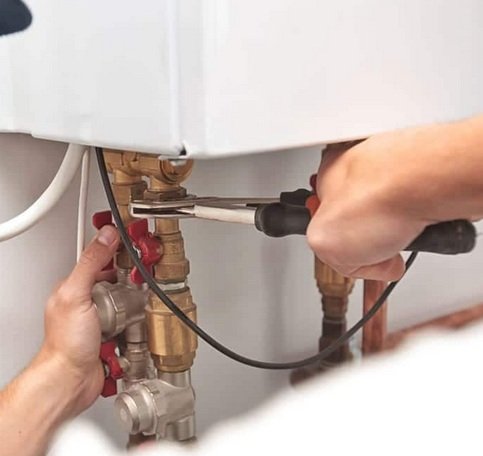
Furthermore, professional installation is crucial to ensure optimal performance and safety. Installing a tankless system often involves additional hardware, such as ventilation or upgraded gas lines, which should be meticulously evaluated and addressed by a qualified technician. An expert can provide a proper assessment of your home’s plumbing and electrical systems to facilitate a successful installation.