How to Save Energy with Your Water Heater
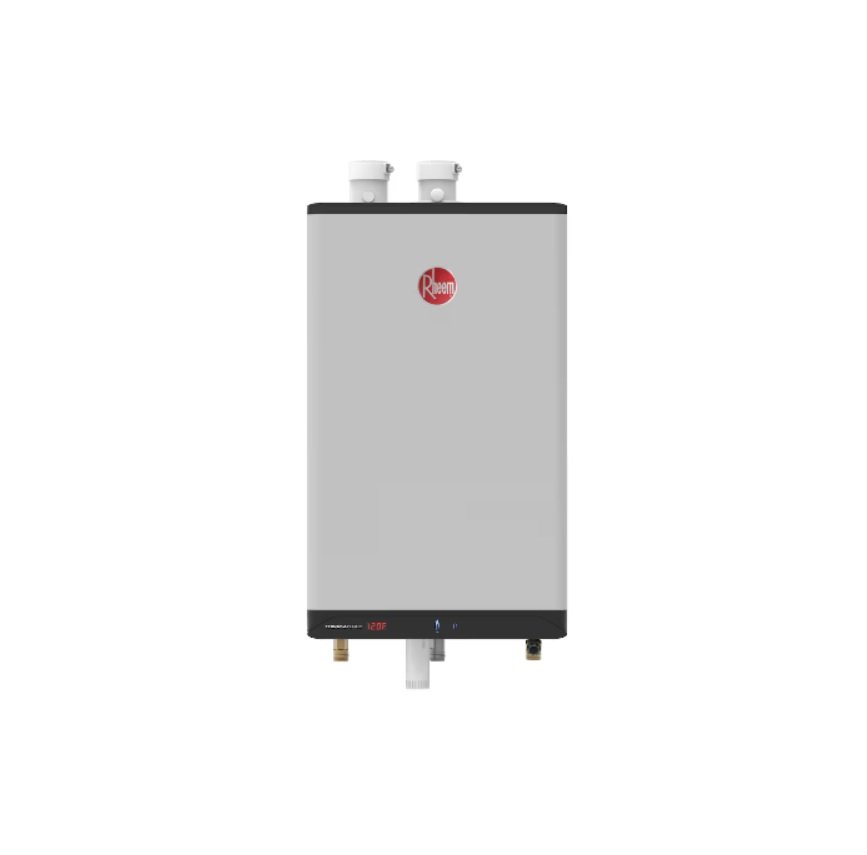
Water heaters are essential appliances in many households, providing hot water for various daily activities. Understanding the different types of water heaters available can help you make informed decisions regarding energy efficiency and overall performance. The three main types of water heaters include traditional storage water heaters, tankless water heaters, and heat pump water heaters.
Traditional storage water heaters, commonly known as tank water heaters, store a specific amount of hot water in a tank. These heaters maintain the water temperature using a thermostat and consume energy continuously to keep the stored water hot, leading to higher energy usage. On average, these units consume around 40 to 60 gallons of water, depending on household size and usage patterns. However, they can also lead to standby heat loss, where energy is wasted in keeping water hot even when it is not in use.
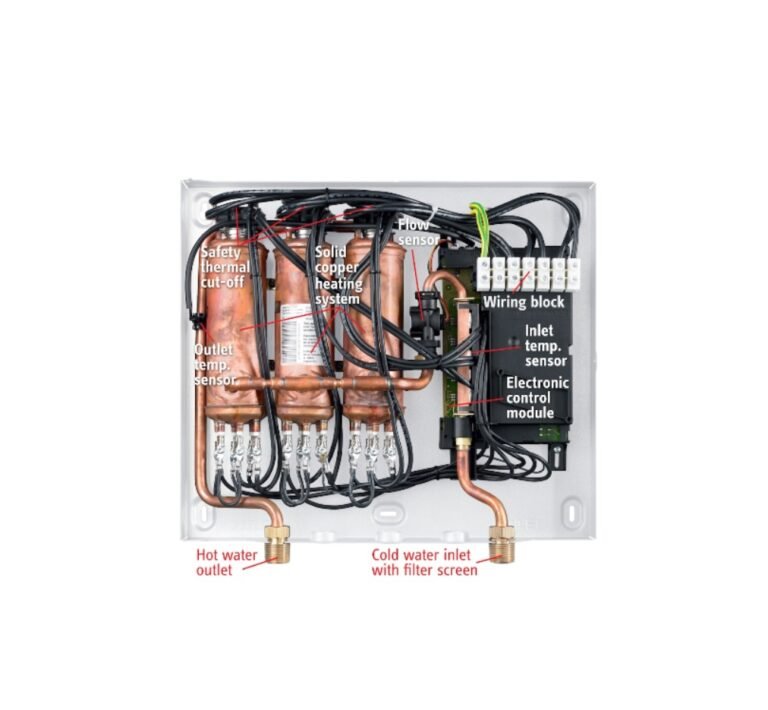
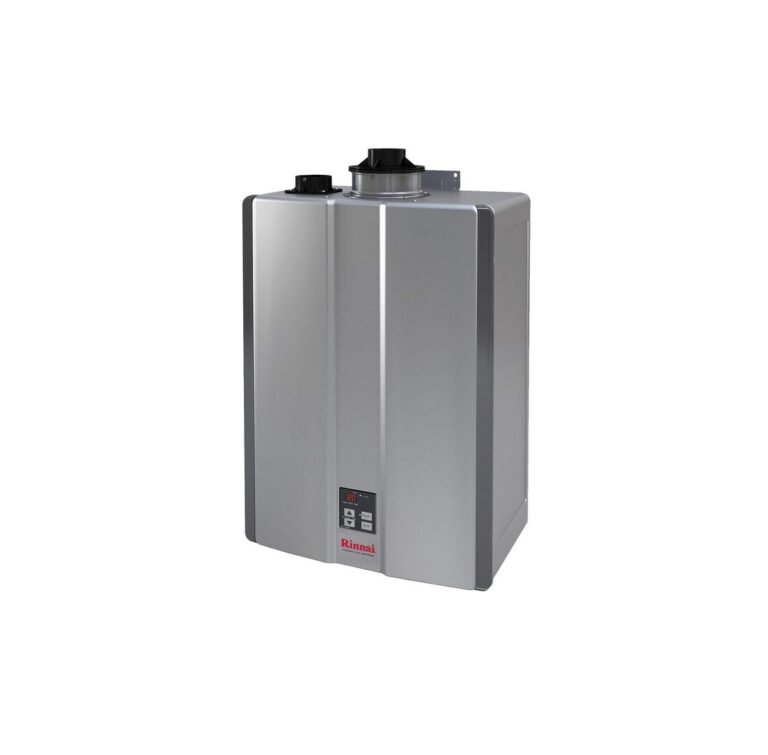
In contrast, tankless water heaters heat water on demand rather than storing it. This means that they only consume energy when hot water is needed, offering a significant reduction in energy costs and waste. Tankless water heaters can provide an endless supply of hot water, making them increasingly popular among homeowners. The energy consumption of tankless heaters varies based on the flow rate and temperature rise required, but they are generally more efficient than traditional models.
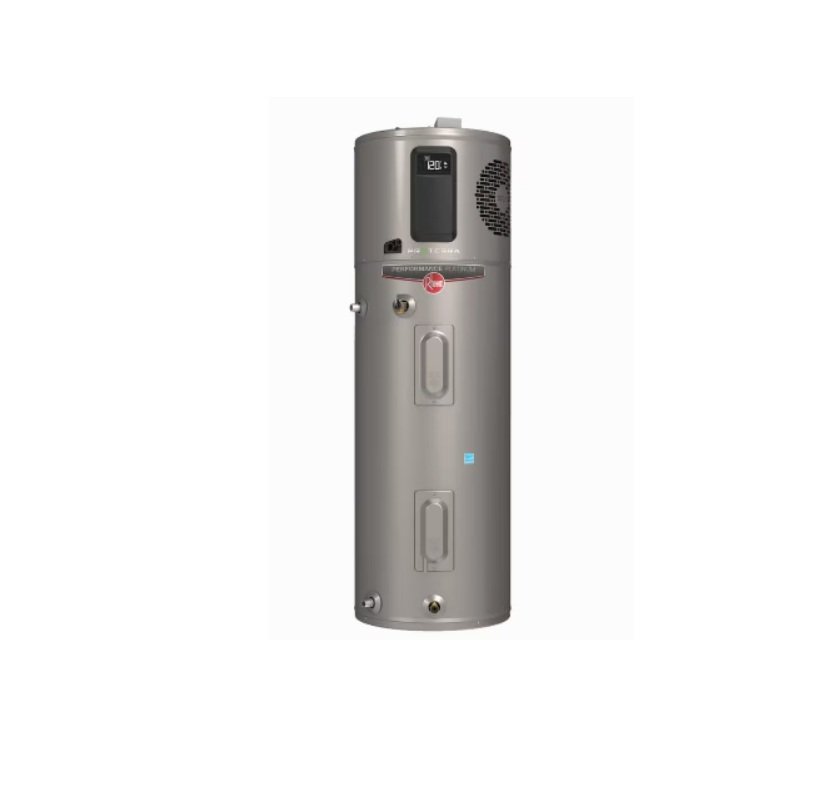
Heat pump water heaters operate by transferring heat from the surrounding air or ground to heat the water. This technology is highly energy-efficient, as it utilizes renewable energy sources to elevate water temperatures. While these systems may require a higher initial investment, their energy efficiency often results in long-term savings. Understanding how each type of water heater works allows you to identify potential opportunities for energy saving in your home.
Setting the Right Temperature
When it comes to optimizing energy efficiency in your home, one important aspect often overlooked is the temperature setting of your water heater. Many people are accustomed to the standard setting of 140°F, which, while it does provide effective hot water supply, may actually be excessive for everyday household needs. In fact, lowering the temperature of your water heater to 120°F can lead to significant savings on your energy bills without compromising on the safety and satisfaction of hot water usage.
Typically, lowering the temperature can save homeowners approximately 3% to 5% on energy costs for every 10 degrees Fahrenheit reduced. This means that setting your water heater to 120°F rather than 140°F can result in noticeable savings over time. Additionally, this adjustment can extend the lifespan of your water heater and reduce the risk of scalding. Many misconceptions persist regarding lower temperature settings, such as the belief that it may lead to unsanitary water conditions. However, the Centers for Disease Control and Prevention (CDC) recommend that 120°F is sufficient for preventing the growth of harmful bacteria.
The benefits of setting your water heater to a lower temperature are not limited to cost savings. A reduced temperature setting also allows for comfortably warm showers and hot water for cleaning, while significantly lowering risk factors associated with severe scalding injuries, especially for young children and the elderly. When adjusting your thermostat, it’s important to take the time to ensure that the new setting meets the needs of all household members while aligning with energy conservation goals. Consequently, a well-balanced approach to water heater temperature setting can help in maximizing both safety and efficiency.
Maintenance Tips for Energy Efficiency
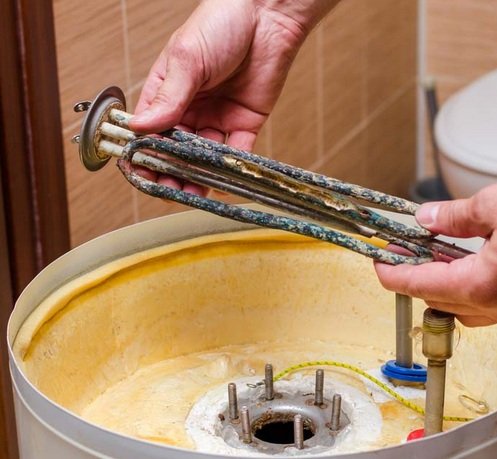
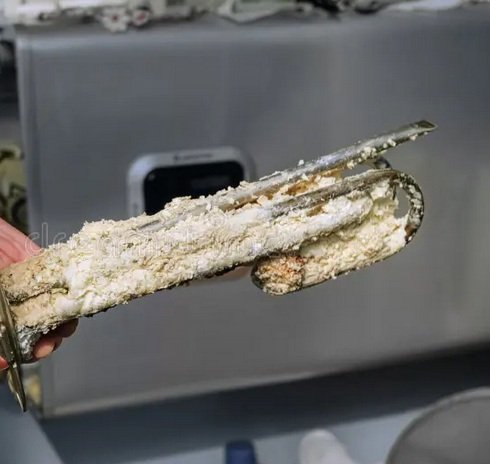
Essential maintenance of your water heater is crucial for optimizing its performance and maintaining energy efficiency. One of the simplest yet most effective practices is regularly flushing the tank. Over time, sediment can build up at the bottom, leading to decreased efficiency and possibly shortening the lifespan of the appliance. Flushing the tank at least once a year can help remove this buildup, allowing your water heater to operate efficiently.
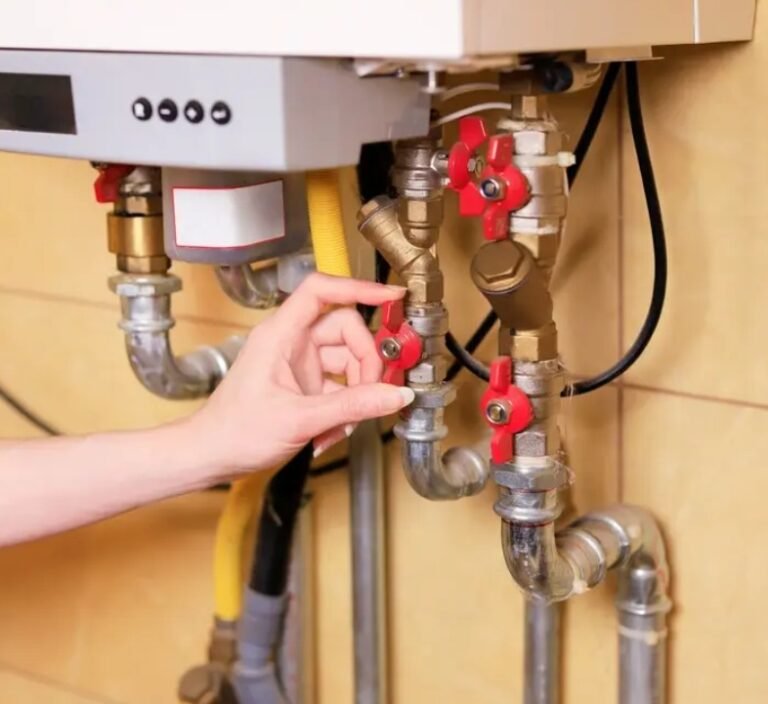
Another important maintenance step is to conduct regular checks for leaks. A leaking water heater can lead to wasted energy and increased utility bills. Inspecting the area around the heater and the connections for any signs of moisture can help catch leaks early. If you notice any leaking, it is advisable to contact a professional for repair to restore efficiency.
Insulating the water heater and its pipes is also a recommended maintenance action. Insulation helps reduce heat loss, ensuring that the water heater does not work harder than necessary to keep water hot. By insulating your water heater and the first few feet of hot and cold water pipes, you can save energy and significantly improve the heater’s efficiency.
Finally, scheduling professional inspections can play a pivotal role in maintaining energy efficiency. A professional technician can identify potential issues that may affect performance, provide necessary repairs, and ensure that the water heater functions optimally. Regular inspections can also prolong the lifespan of your water heater, making it a wise investment in energy conservation.
Cost-Effective Upgrades and Options
Homeowners seeking to save energy with their water heaters can benefit from several cost-effective upgrades and options. One of the most beneficial modifications is the addition of insulation to the hot water tank and the pipes. Insulating these components can decrease heat loss, ensuring that the water heater operates more efficiently. Insulation jackets for water heaters and pipe insulation are relatively inexpensive and can significantly reduce energy consumption over time.
Another valuable upgrade is the installation of smart thermostats or timers for the water heater. By using a smart thermostat, homeowners can optimize the temperature settings based on usage patterns, effectively ensuring that hot water is available when needed without heating it continuously. Timers can be configured to reduce the temperature during off-peak hours, thus saving energy and reducing utility costs. These devices are user-friendly and can be monitored from smartphones for added convenience.
Furthermore, considering the installation of solar water heaters is an excellent option for energy savings. Solar water heating systems harness sunlight to generate hot water, which can significantly reduce dependence on traditional energy sources, lowering energy bills. While the initial investment might be higher, many homeowners find that they enjoy substantial long-term savings. Additionally, various rebates and tax incentives may be available for homeowners who choose to switch to energy-efficient systems. These financial incentives can alleviate some of the costs associated with upgrading to a solar water heater or investing in other energy-saving technologies.
In light of these options, homeowners are encouraged to evaluate their current equipment and consider feasible upgrades. Transitioning to more energy-efficient solutions not only offers potential savings but also contributes to environmental sustainability, making it a prudent choice.