Common Water Heater Problems and How to Fix Them
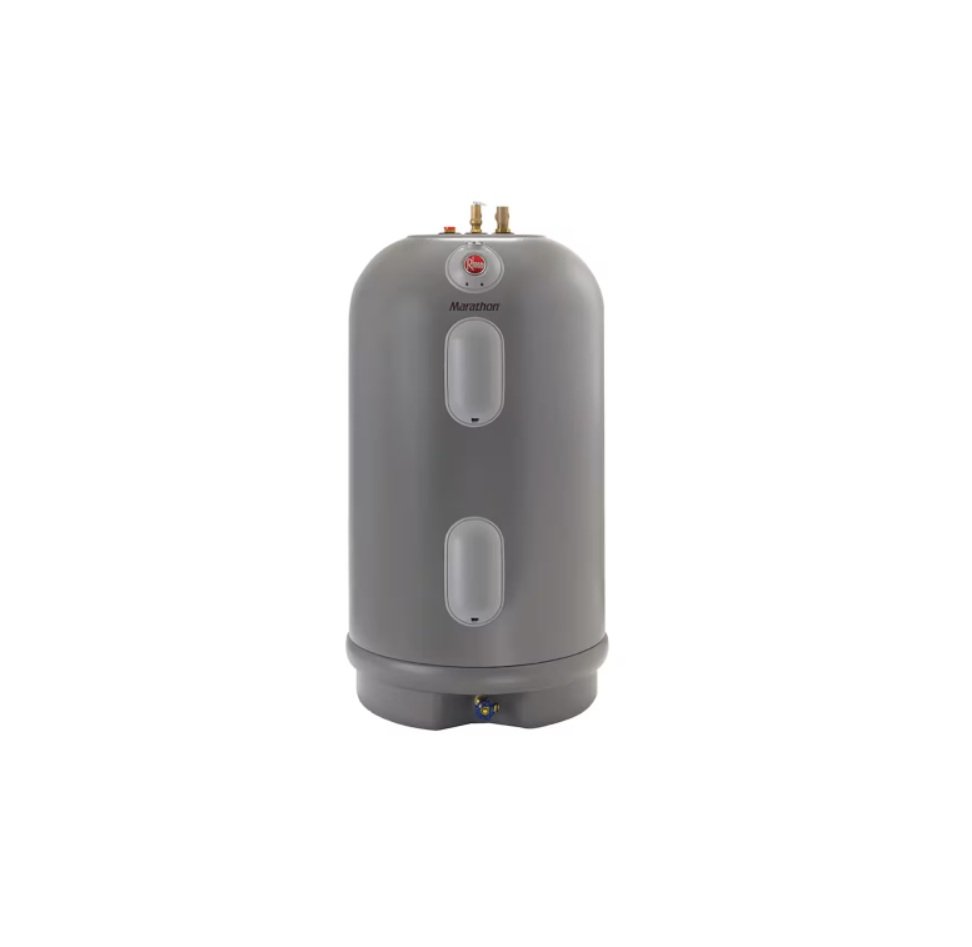
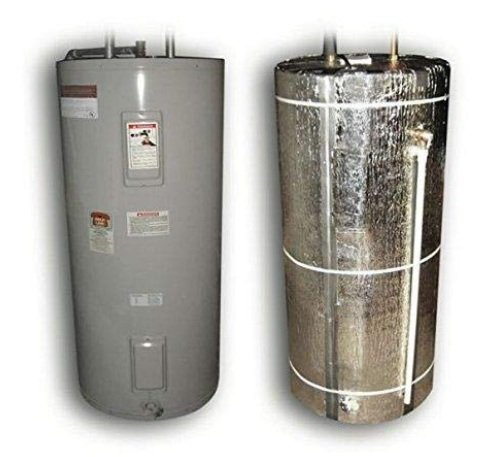
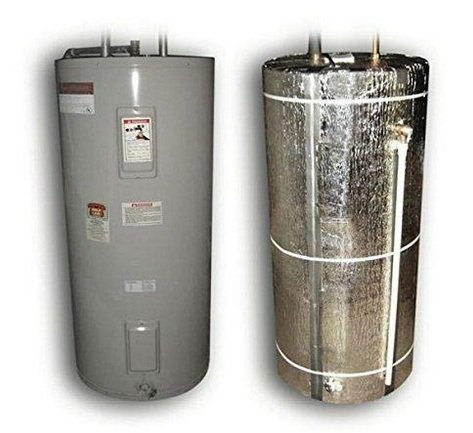
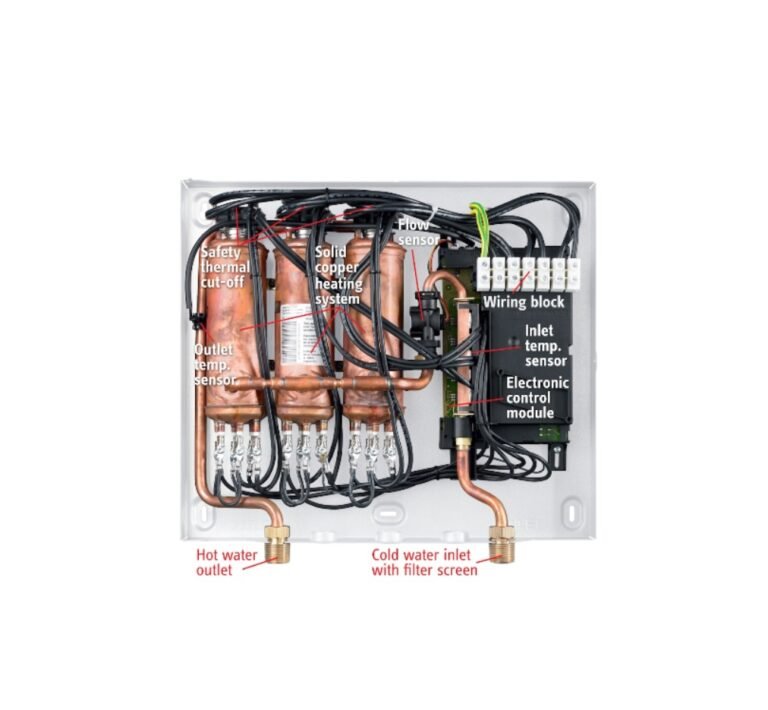
A water heater is an essential appliance, providing hot water for various household activities such as showering, cooking, and cleaning. The two primary types of water heaters are tank and tankless systems. Traditional tank water heaters store a specific volume of hot water in a tank, usually between 20 to 80 gallons, ready for use whenever needed. In contrast, tankless water heaters, also known as on-demand water heaters, heat water directly without the use of a storage tank, allowing for a continuous supply of hot water.
Regular maintenance is crucial for both types of water heaters to ensure efficient performance and longevity. A well-maintained water heater typically lasts between 10 to 15 years, though tankless models often enjoy a longer lifespan due to their lower stress levels since they do not hold water continually. Neglecting routine maintenance can lead to issues like sediment buildup, which may result in decreased efficiency and increased energy costs.
Common water heater problems often arise from age, poor installation, and typical usage patterns. For instance, older models may develop leaks or inefficient heating elements, while improperly installed water heaters can experience pressure issues or uneven heating. Additionally, water heaters located in close proximity to corrosive environments may suffer from accelerated wear and tear. It is essential for homeowners to be aware of the signs that indicate a need for repair or replacement, such as fluctuating water temperature, strange noises, or rusty water. Addressing these issues promptly can extend the life of the water heater and maintain efficient operation.
Identifying Common Water Heater Issues
Homeowners often rely heavily on their water heating systems for daily activities, making it essential to recognize common water heater problems. One prevalent issue is insufficient hot water. This can manifest when multiple outlets are used simultaneously—such as showers and dishwashers—causing the hot water supply to dwindle quickly. To diagnose this, homeowners should note how quickly the hot water runs out during use and assess the size and capacity of their water heater.
Another problem that may arise is discolored water, which can indicate rust or sediment build-up inside the tank. This is particularly concerning, as it could affect water quality. Homeowners should conduct a simple visual check; if the water appears brown or yellow, it may be time to flush the tank or consult a professional. Additionally, if you encounter strange noises like popping or rumbling, it could indicate sediment accumulation at the bottom of the tank. Regular maintenance can help prevent this issue, but noticing these sounds early can be crucial for the longevity of the appliance.
Water leaks are another sign of a malfunctioning water heater. If you see puddles or water stains near the unit, or if there are noticeable drops in pressure when using the hot water taps, it may be indicative of a failing tank or loose connections. Always inspect these issues promptly, as leaking water can lead to significant property damage if left unaddressed. Lastly, fluctuations in water temperature can signal a faulty thermostat. Homeowners should monitor the temperature consistency of their hot water and ensure thermostats are set correctly. Addressing these common issues early can save time and expenses in the long run.
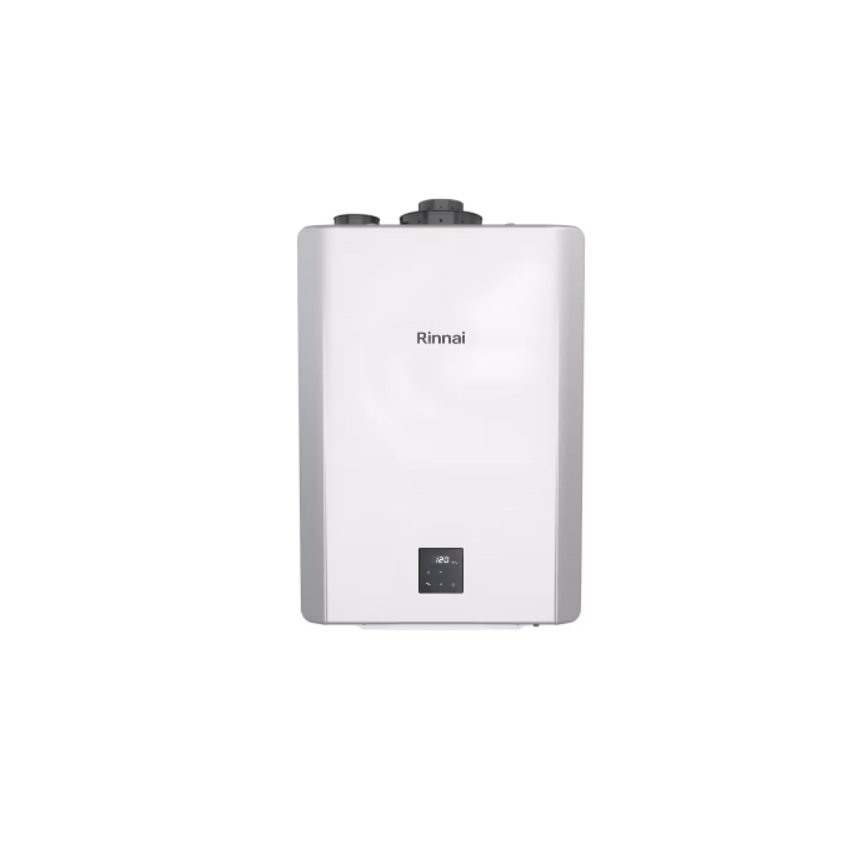
DIY Solutions for Water Heater Problems
Water heaters are essential appliances in everyday life, serving hot water for various needs, including bathing, cooking, and cleaning. When issues arise, identifying the problem and applying effective DIY solutions can save both time and money. Below, we explore common water heater problems and practical troubleshooting steps.
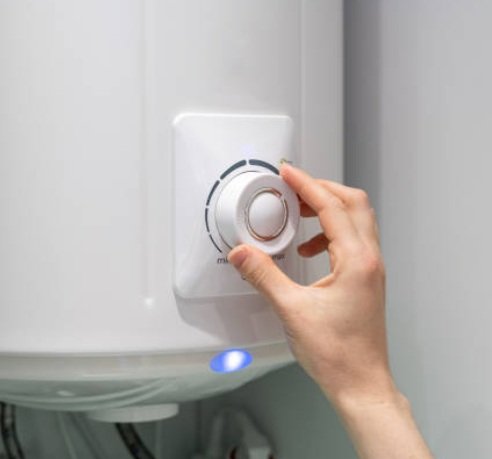
One of the typical issues is a lack of hot water. If you encounter this, start by checking the thermostat settings. Ensure that the temperature is set correctly; ideally, it should be around 120 degrees Fahrenheit. If the problem persists, examine the circuit breaker for any tripped fuses or switches that may need resetting. A multi-meter can assist in measuring voltage, helping to confirm the power supply is functioning. If there is still no hot water after these checks, this may indicate a faulty heating element, which may require replacement.
Another common issue is sufficient hot water supply, which might be resolved by flushing the tank. Sediment buildup can significantly limit water heater efficiency. To flush your water heater, turn off the power or gas supply, connect a garden hose to the drainage valve at the tank, and allow the water to flow out. This should be done until the water runs clear. Additionally, safety is paramount; ensure that the water is cool enough to handle while draining.
If you notice leaks, checking the valves and connections is crucial. Tighten any loose fittings and ensure the pressure relief valve is functioning. In some scenarios, a damaged valve could indicate the need for professional help. If leaks continue, or if you are uncomfortable making these repairs, contacting a licensed technician is advisable.
Finally, always prioritize safety when performing DIY repairs. Turn off the power, ensure proper ventilation, and wear protective gear when necessary. While many issues can be resolved with do-it-yourself methods, knowing when to seek professional help is equally important.
When to Call a Professional Plumber
Determining when to seek the expertise of a professional plumber can be crucial in managing water heater issues effectively. While many minor problems can be resolved through DIY methods, certain scenarios necessitate the immediate attention of a qualified expert. For instance, if your water heater displays signs such as persistent leaks, unusual noises, or an inability to heat water, it may indicate underlying issues that could worsen without proper intervention.
One major benefit of hiring a professional is their comprehensive understanding of plumbing systems and water heater mechanics. Experts are equipped with specialized tools and techniques that allow them to diagnose complex problems correctly, ensuring more effective solutions than a general DIY approach might provide. Furthermore, professionals often have access to warranties for parts and services, which can save you additional costs down the line.
Considering the estimated costs of repairs, calling a professional plumber typically ranges from $150 to $300 for basic services, although more intricate issues may broaden this range substantially. Therefore, weighing these costs against the potential risks of mishandling repairs is essential. General maintenance checks, scheduled at least once a year, can help detect problems before they escalate, ultimately saving money and ensuring the longevity of your water heater.
When choosing a plumbing service, it is advisable to research local providers thoroughly. Look for licensed and insured professionals with positive customer reviews and a solid reputation in the community. Obtaining multiple quotes can also provide a clearer picture of the industry’s pricing, helping you make an informed decision. In conclusion, recognizing when to call a professional plumber is vital for maintaining your water heater’s efficiency and reliability.