How to Flush a Water Heater to Improve Efficiency
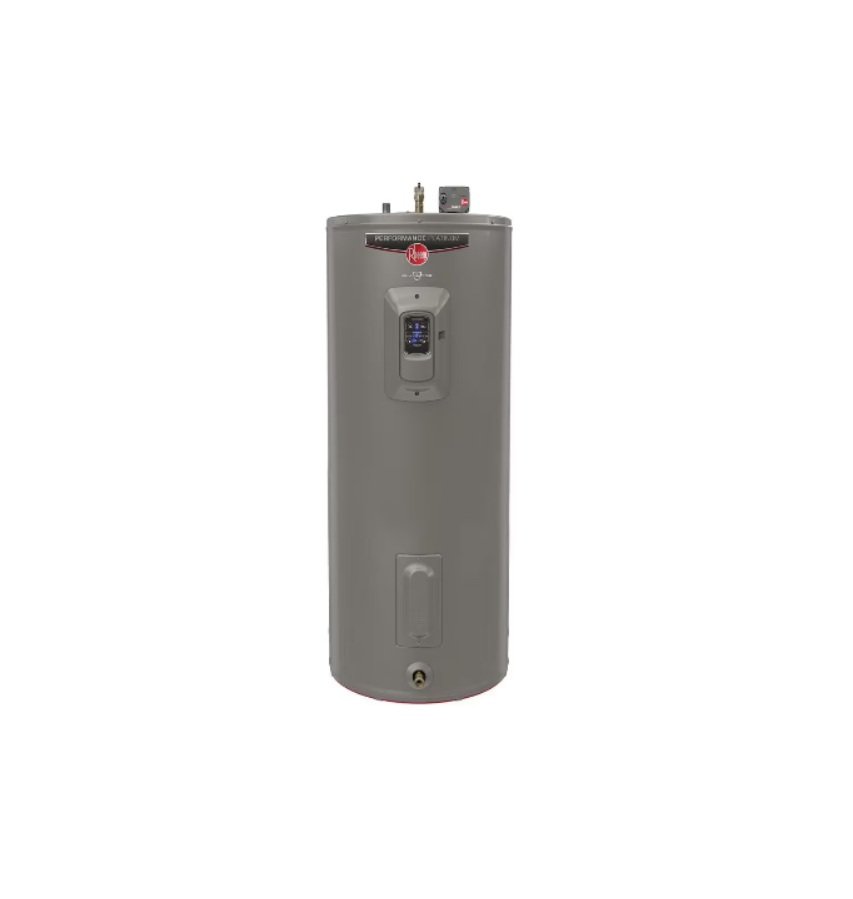
A water heater is an essential appliance in most households, providing hot water for various activities such as bathing, cooking, and cleaning. However, many homeowners overlook the importance of regular maintenance, particularly the process of flushing the water heater. Over time, minerals and sediment accumulate at the bottom of the tank, leading to a significant decline in efficiency. Understanding the implications of this buildup is crucial for extending the lifespan of the unit and maintaining optimal performance.
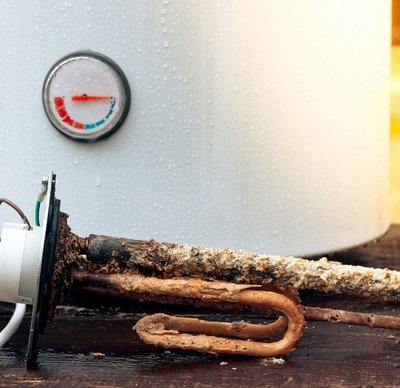
The accumulation of sediment can interfere with the heating element’s operation by acting as an insulator, which ultimately requires the heating system to work harder to achieve the desired temperature. This increased workload not only results in higher energy consumption but may also lead to premature wear and tear on components. Neglecting to flush the water heater regularly could result in costly repairs or even the need for complete replacement.
Moreover, sediment buildup can adversely affect water quality. When sediment accumulates, it can lead to discoloration, unpleasant tastes, and odors in the hot water supply. A water heater that is routinely flushed can produce cleaner, clearer hot water, positively impacting the overall health of your home’s water system.
Regular flushing of your water heater not only enhances energy savings but also fosters greater efficiency and effectiveness. By committing to this simple maintenance task at least once a year, homeowners can prevent future problems and ensure their water heater operates effectively for years to come. Ultimately, the importance of flushing your water heater cannot be overstated; it is vital for both efficiency and longevity, helping you maintain a reliable source of hot water while optimizing performance.
Signs that Your Water Heater Needs Flushing
Homeowners should be vigilant in monitoring their water heater for several signs that indicate it is due for flushing. One of the most apparent indicators is a noticeable change in water quality. If the water appears discolored, cloudy, or has a metallic taste or odor, this could suggest that sediment has built up within the tank and is affecting the water being delivered to your fixtures.
Additionally, unusual noises emanating from the water heater can also signal a need for maintenance. These sounds often include popping, bubbling, or rumbling noises, which indicate that sediment at the bottom of the tank is being heated and expanding. This can lead to further complications if not addressed promptly, compromising the efficiency of the unit.
Decreased efficiency of the water heater is another important sign to consider. Homeowners may notice their water heater is no longer producing hot water as efficiently as it once did, resulting in longer wait times for hot water access. This inefficiency is often a direct consequence of sediment buildup that insulates the heating elements, hindering their ability to heat water efficiently.
Lastly, fluctuating water temperatures can be a clear indication that your water heater needs flushing. If you experience inconsistent water temperatures—where the water intermittently becomes hotter or cooler—it may be attributed to accumulated debris affecting the heating process. Regularly flushing the water heater can help combat these issues, ensuring a consistent hot water supply.
In summary, being mindful of these signs can help homeowners determine the necessity to flush their water heater promptly. Regular maintenance plays a crucial role in avoiding costly repairs and ensuring the efficiency of the water heating system.
Step-by-Step Guide to Flushing Your Water Heater
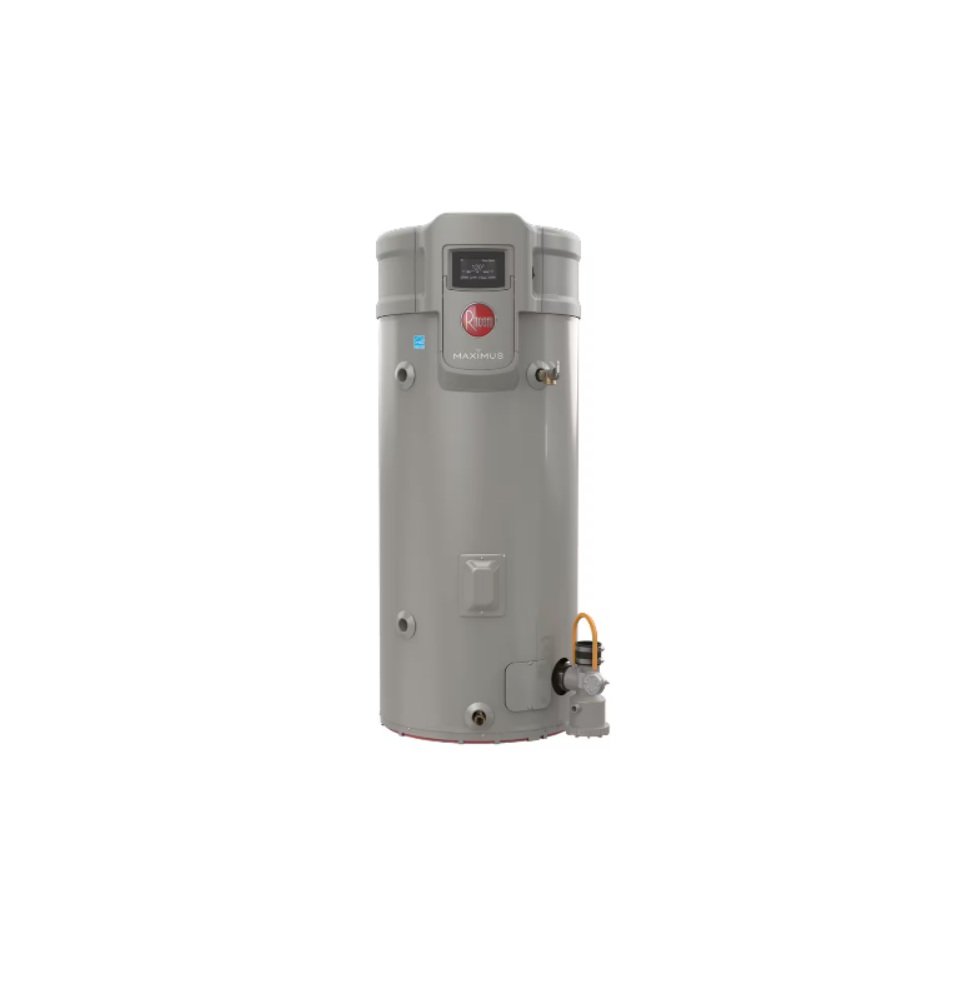
Flushing your water heater is an essential maintenance task that can enhance its efficiency and extend its lifespan. To start, you will need a few tools and materials, including a garden hose, a flathead screwdriver, a bucket, and a wrench. Ensure you have safety gloves and goggles to protect yourself during the process.
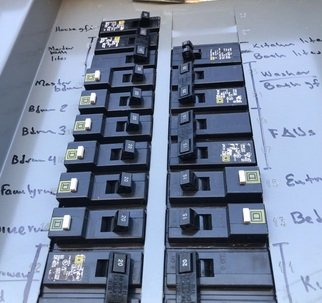
Before commencing, safety precautions should be observed. Begin by turning off the power supply to the water heater. For electric units, disconnect the power at the breaker box. If you have a gas water heater, set the thermostat to the “pilot” position. Then, close the cold-water supply valve located at the top of the water heater.
Next, you will need to attach the garden hose to the drain valve at the base of the heater, which requires a straight connection for ease of drainage. Place the other end of the hose outside or in a bucket to catch the water. Once the hose is securely attached, open the drain valve by turning it counterclockwise. Allow the tank to drain completely. This step may take some time, depending on your tank’s size.
Once drained, you should flush the tank to remove any sediment build-up. To do this, briefly open the cold-water supply valve to stir up any remaining sediment. After a few seconds, shut the valve off and allow the water to drain once more until it runs clear. This flushing process ensures that debris is removed effectively.
After the flushing procedure is complete, you can refill the tank. Close the drain valve and detach the hose, ensuring that it is securely fastened. Open the cold water supply valve to refill the tank, and check for any leaks at the drain valve. Once filled, turn the power or gas supply back on and check that the heater is functioning correctly. Regularly flushing your water heater will contribute significantly to its performance.
Maintaining a Water Heater for Long-Term Efficiency
Regular maintenance of your water heater is essential for ensuring its long-term efficiency and effectiveness. By implementing a simple yet effective maintenance routine, homeowners can avoid costly repairs and extend the lifespan of their units. One of the key steps is to establish a regular inspection schedule, which should be conducted at least once a year. During these inspections, check for signs of wear and tear, leaks, or corrosion on the tank and the associated pipes.
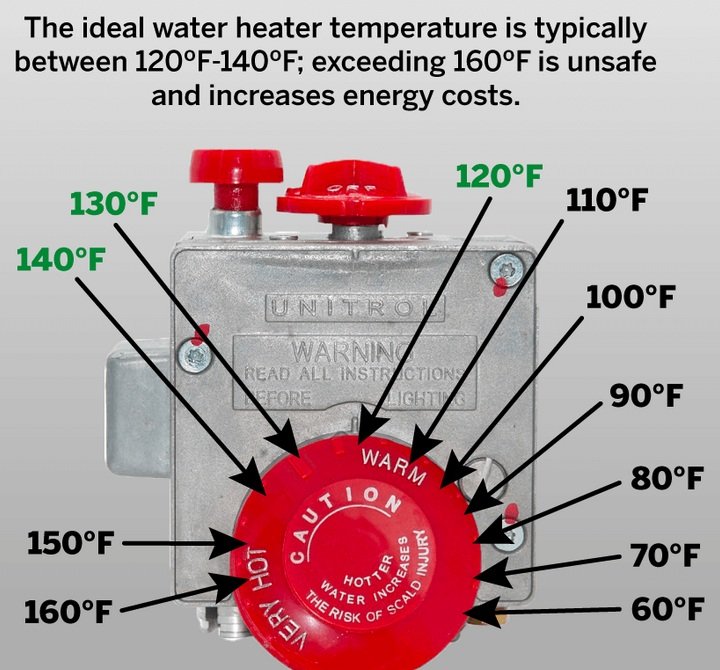
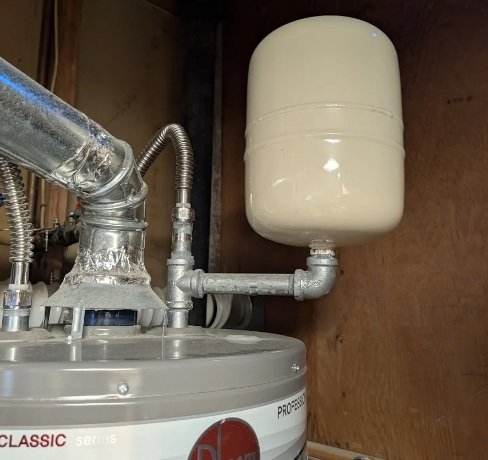
In addition to annual checks, there are other maintenance tasks that can significantly improve the performance of your water heater. For instance, it is advisable to test the pressure relief valve periodically to ensure it functions properly. This valve helps to release excess pressure in the tank, preventing potential explosions in the event of overheating. Additionally, ensure that the thermostat settings are appropriate; setting the temperature too high can not only increase energy costs but also lead to scalding risks.
Monitoring hot water usage can also provide insights into the efficiency of your water heater. Keeping track of how much hot water is being used can help identify any sudden increases in demand, which may indicate potential leaks or inefficiencies. Furthermore, maintaining a log of maintenance activities performed can be beneficial. This log serves as a valuable record that can assist both homeowners and technicians in understanding the unit’s history and any recurring issues that may arise.
There may come a time when professional assistance is necessary. If you notice persistent problems, such as strange noises, fluctuations in hot water availability, or visible damage, it is crucial to call a qualified technician. Professional inspections can spot underlying issues that may not be evident during regular maintenance checks.