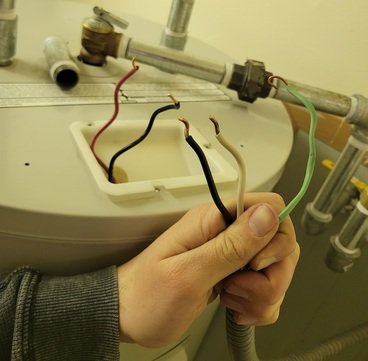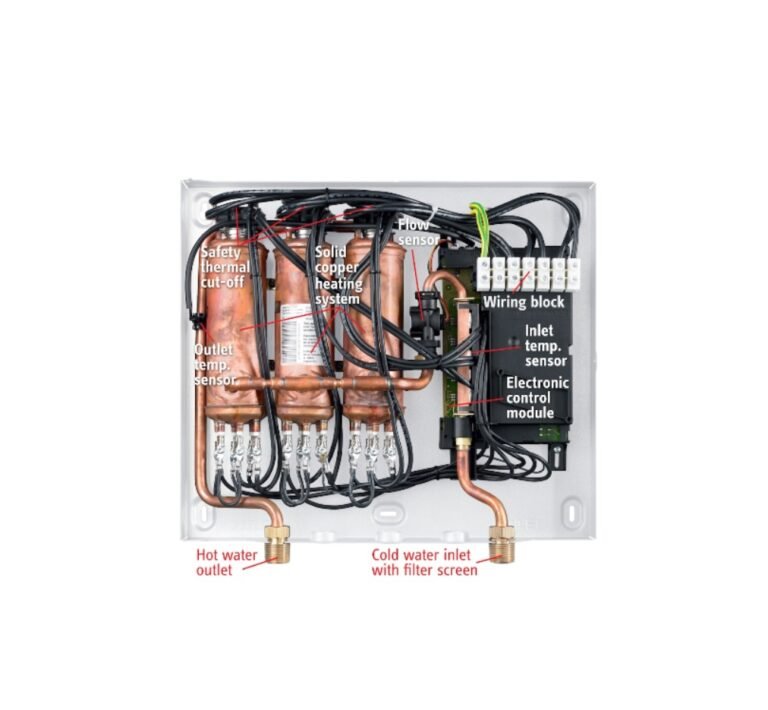
Signs Your Water Heater Needs Replacement
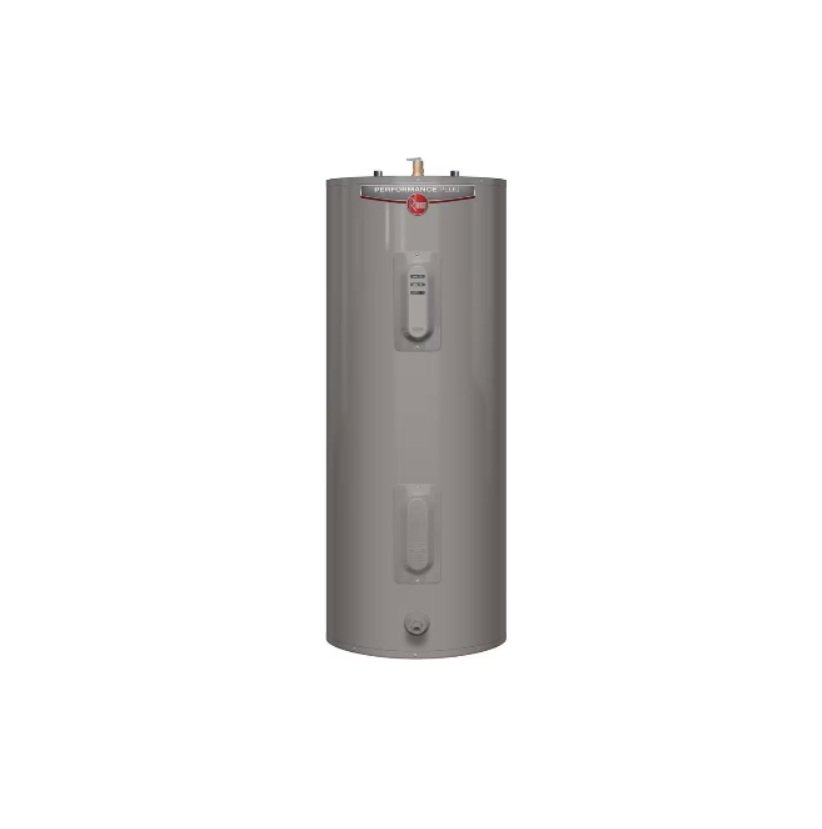
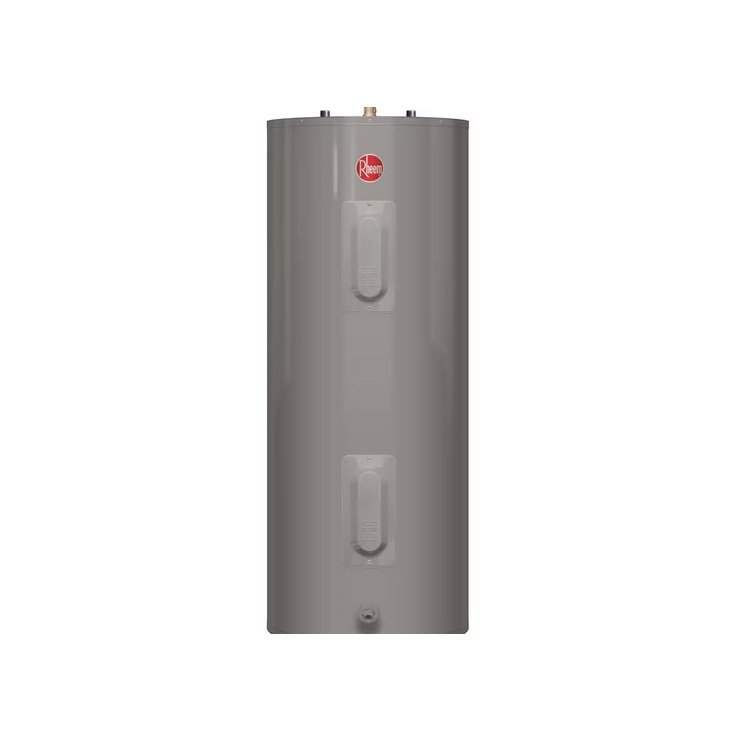
Water heaters, essential appliances in modern households, generally have a lifespan that varies significantly depending on their type. Traditional tank water heaters typically last between 10 to 15 years, while tankless models can last up to 20 years or more. The differences in lifespan are primarily due to their design and functionality, with tankless systems often featuring less wear and tear as they heat water on demand rather than storing it.
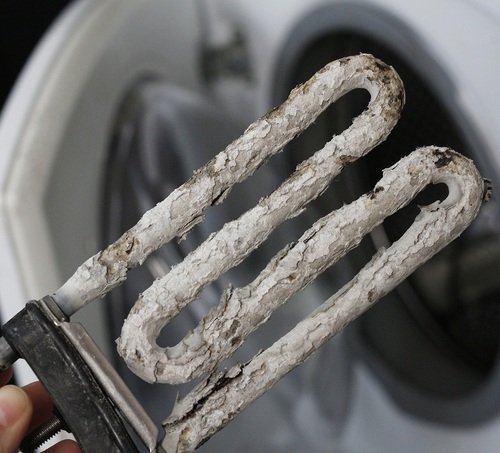
Several key factors affect the lifespan of both types of water heaters. One of the most critical is maintenance practices. Regularly flushing the tank to remove sediment buildup and inspecting the anode rod can extend the life of a traditional water heater. For tankless models, maintenance requires descaling to prevent mineral buildup in the heating elements. Failing to carry out these routine maintenance tasks can lead to premature failures and the need for expensive replacements.
Water quality also plays a vital role in determining the longevity of water heaters. Hard water, which contains elevated levels of minerals, can lead to scale buildup, reducing efficiency and lifespan. Conversely, water softeners can mitigate these issues, enhancing the durability of the heating unit. Usage patterns must not be overlooked, as systems subjected to high demand will generally wear out faster than those experiencing average usage.
Understanding when a water heater is nearing the end of its useful life is crucial. Signs can include inconsistent water temperatures, strange noises, or visible leaks. Being proactive in identifying these symptoms is not only cost-effective but also essential for maintaining household comfort and safety. Proper awareness can ultimately assist homeowners in making informed decisions regarding maintenance or replacement, ensuring that the water heater continues to function efficiently for as long as possible.
Common Warning Signs of a Failing Water Heater
Water heaters are essential appliances in modern households, providing hot water for various daily activities. However, like any other household appliance, they can experience wear and tear over time. Recognizing the signs of a failing water heater can help homeowners address issues before they escalate into more significant problems.
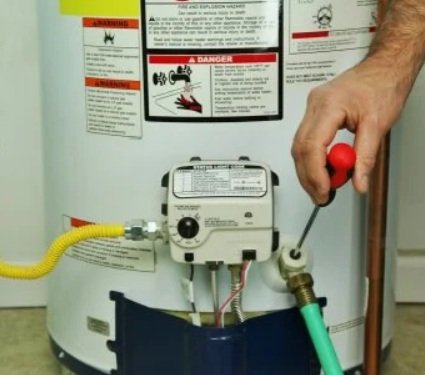
One of the most common indicators of a malfunctioning water heater is inconsistent water temperature. Homeowners may notice that their water does not remain consistently hot or that it fluctuates between hot and cold. This inconsistency can stem from mineral buildup on heating elements or a failing thermostat. These issues not only affect comfort but can also increase energy costs as the unit works harder to maintain the desired temperature.
Another warning sign is strange noises emanating from the water heater. Banging, popping, or whining sounds can indicate sediment buildup at the bottom of the tank, leading to overheating and, eventually, tank failure. Addressing these noises promptly can help prolong the lifespan of the heater.
Water discoloration is another crucial sign of trouble. If homeowners observe rusty or cloudy water coming from their taps, it may indicate corrosion inside the tank or deteriorating pipes. This discoloration can be a safety hazard and is often a strong indicator that the water heater should be inspected or replaced.
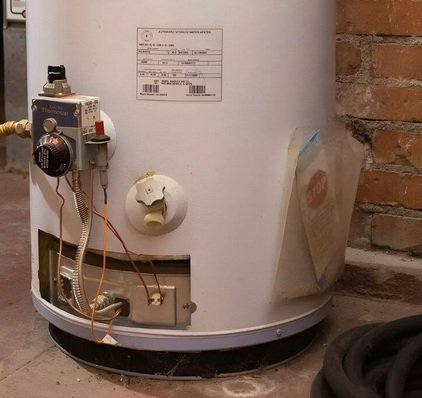
Lastly, leaks around the water heater are a significant red flag. Any pooling water, dampness, or corrosion around the tank suggests that the unit is failing. Leaks can lead to more extensive water damage and mold growth if not addressed immediately.
In conclusion, being aware of these common warning signs can help homeowners make informed decisions about the maintenance and replacement of their water heaters, ensuring safety and efficiency in their households.
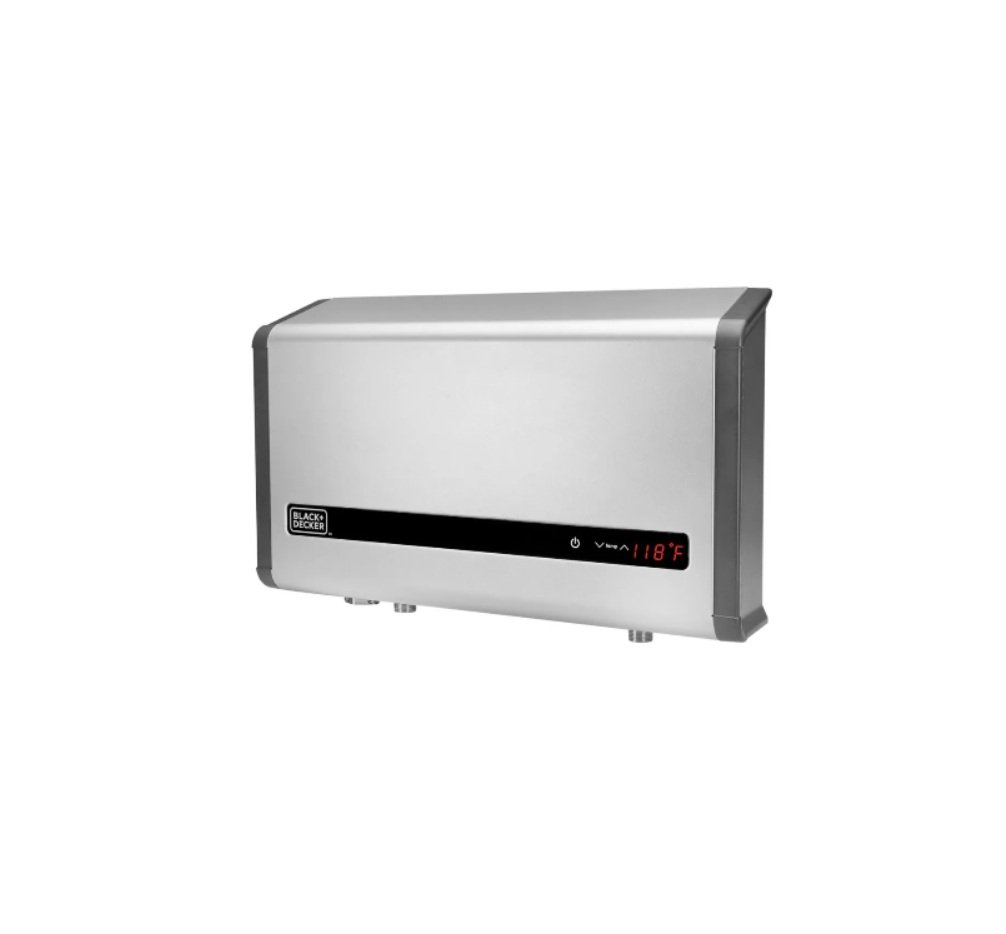
The Cost Implications of Prolonging Water Heater Replacement
Delaying the replacement of a water heater can lead to several financial ramifications that may outweigh the initial savings of ongoing repairs. One of the most concerning costs associated with prolonging the replacement is the cumulative expense of repairs. As a water heater ages, it inevitably requires more frequent repairs. Each repair not only incurs labor costs but may also involve purchasing replacement parts that can amount to a significant financial burden over time. According to various reports, homeowners may spend thousands on repairs within the last few years of a water heater’s lifespan, which can be wasteful when a new unit would offer greater reliability.
Higher energy bills are another critical consideration. Older water heaters are typically less efficient, meaning they consume more energy to heat water compared to modern models. As the efficiency declines, homeowners often notice a steady increase in their energy expenditures. This can contribute to an unsustainable financial situation, especially in regions where energy costs are continually rising. In contrast, investing in a new water heater can result in lower energy bills due to increased efficiency and advanced technology designed to consume less energy.
Moreover, there are risks of water damage due to leaks from aging units, which can occur without warning. Such leaks can cause significant property damage, necessitating costly repairs. Water damage can ruin flooring, paint, and even compromise the structural integrity of a home, leading to further financial implications. In light of these risks, the investment in a replacement water heater should be viewed not only as a way to ensure a steady supply of hot water but also as a preventive measure against potential loss. By calculating the cumulative costs of repairs, higher energy bills, and damage mitigation, homeowners may find that timely replacement is a financially sound decision.
Making the Decision: When to Repair vs. Replace
Deciding whether to repair or replace your water heater is a crucial decision that many homeowners will face at some point. Understanding the indicators that suggest it is time for a replacement versus when a simple repair is sufficient can help you make an informed choice. A commonly accepted guideline is to consider the age of your water heater; if it is nearing or has exceeded its expected lifespan, typically around 10 to 15 years, replacement may be the better option. However, age alone is not a deciding factor.
For instance, if you are experiencing minor issues, such as inconsistent temperatures or lukewarm water, these may be solvable with a straightforward repair instead of a full replacement. Furthermore, if the repair cost is less than 50% of the replacement cost, it is generally advisable to repair. A malfunctioning thermostat or a simple valve replacement can breathe new life into your unit.
Conversely, if your water heater shows significant signs of wear or damage—like rust or leaks—it may often indicate that replacement is necessary. Additionally, consider your household’s water heating needs. If your family has grown, or your hot water demands have increased significantly, your existing system might not be sufficient, warranting a replacement with a unit that can accommodate larger capacities.
Before making a final decision, consulting with a professional plumber is highly recommended. A qualified plumber can assess your specific situation, suggest the best course of action, and help you understand the various options available in the market. Ultimately, weighing both the immediate cost implications and long-term benefits will guide you in determining whether to repair the current unit or invest in a new water heater.