The Ultimate Guide to Choosing the Right Water Heater
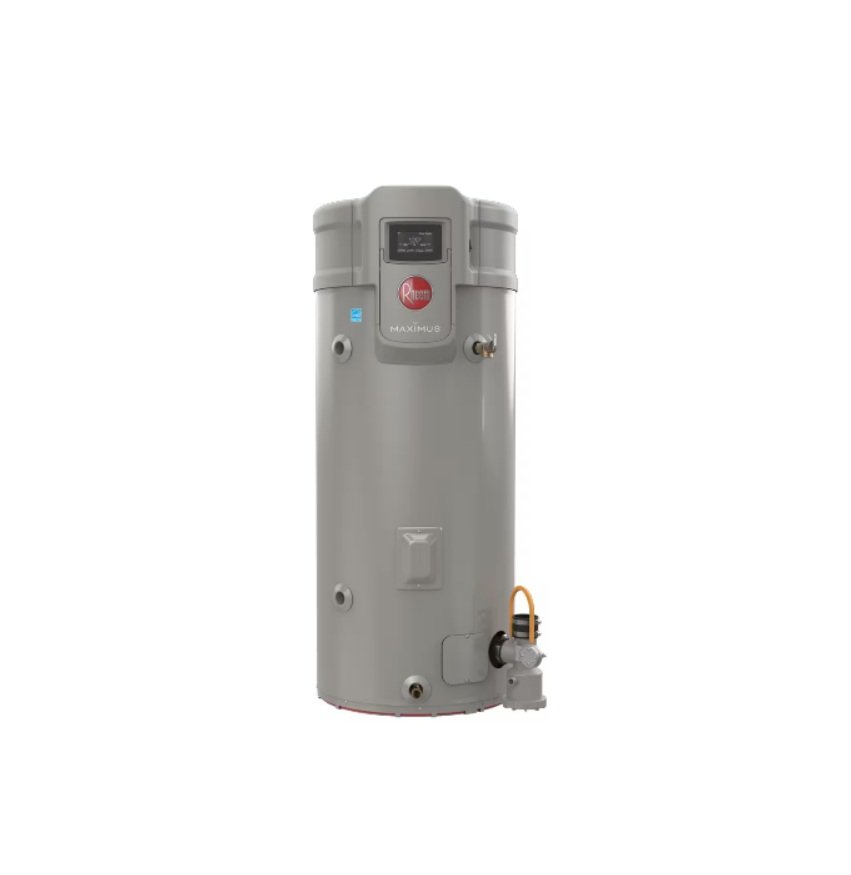
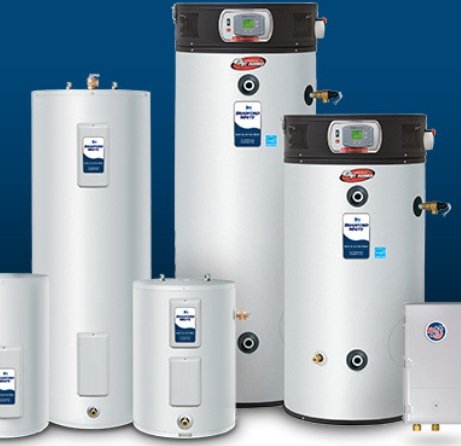
When it comes to selecting a water heater, understanding the various types available is crucial for making an informed decision. Broadly, water heaters can be categorized into four main types: tankless, storage tank, solar, and heat pump models. Each type has its unique operational mechanics, advantages, and disadvantages.
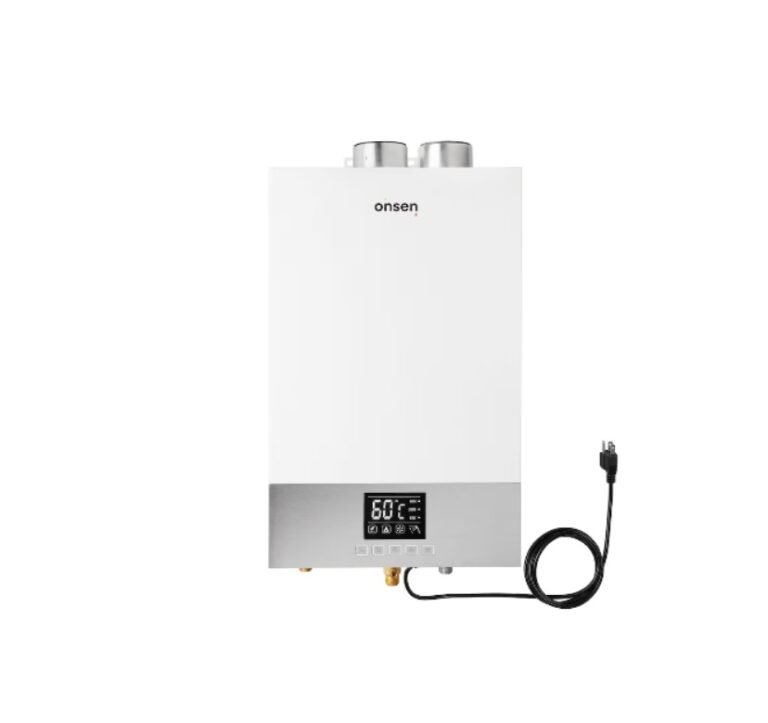
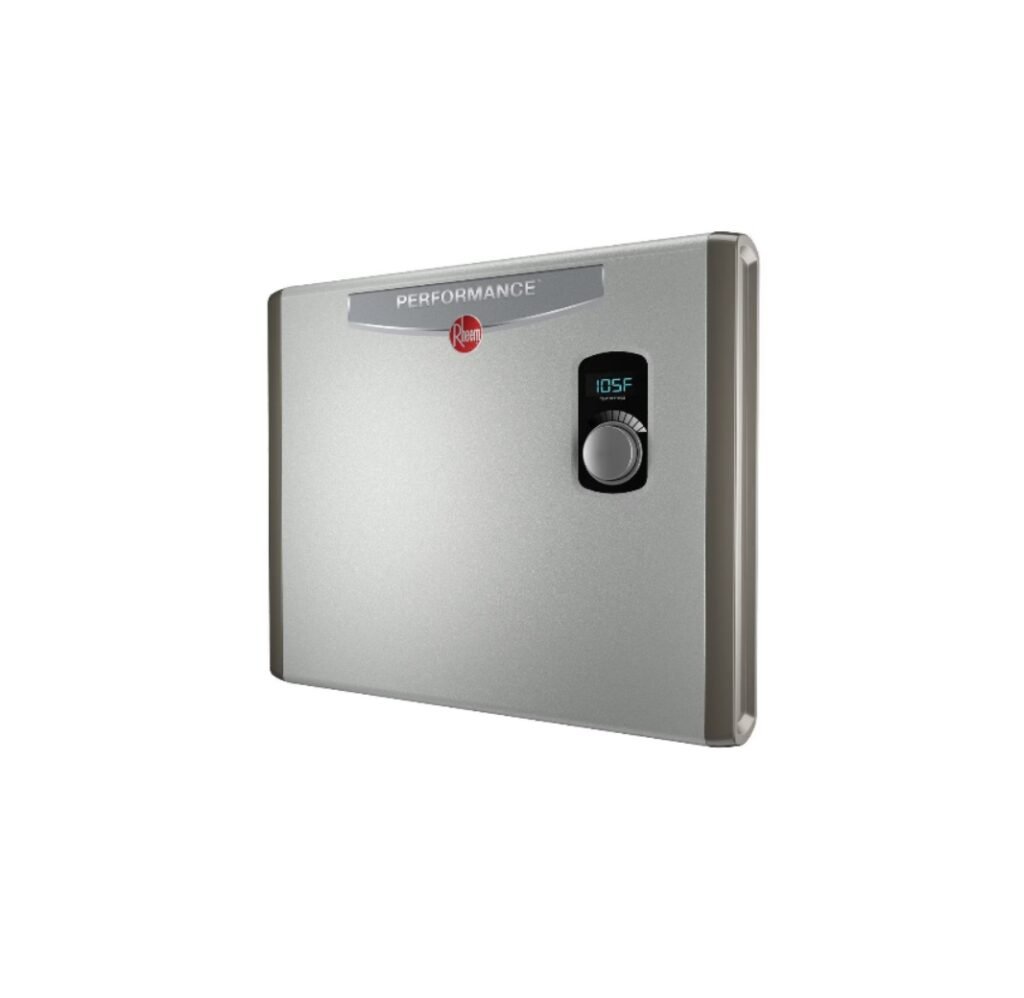
Tankless water heaters, also known as on-demand water heaters, heat water directly without the use of a storage tank. When a hot water tap is turned on, cold water travels through a pipe into the unit, where it is heated using either gas or electric elements. This design allows for a continuous supply of hot water, which means there is no waiting time for a tank to fill and heat. However, they may have limitations on flow rates during simultaneous usage, and installation costs can be higher than traditional options.
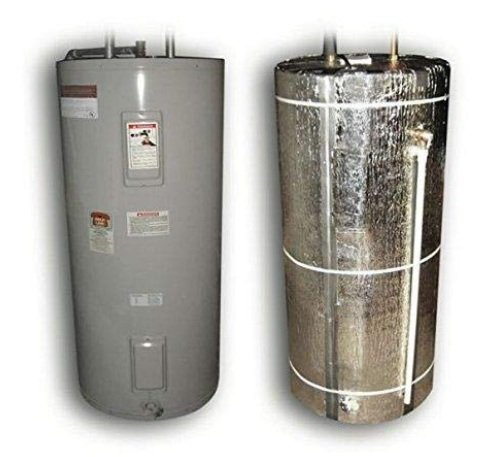
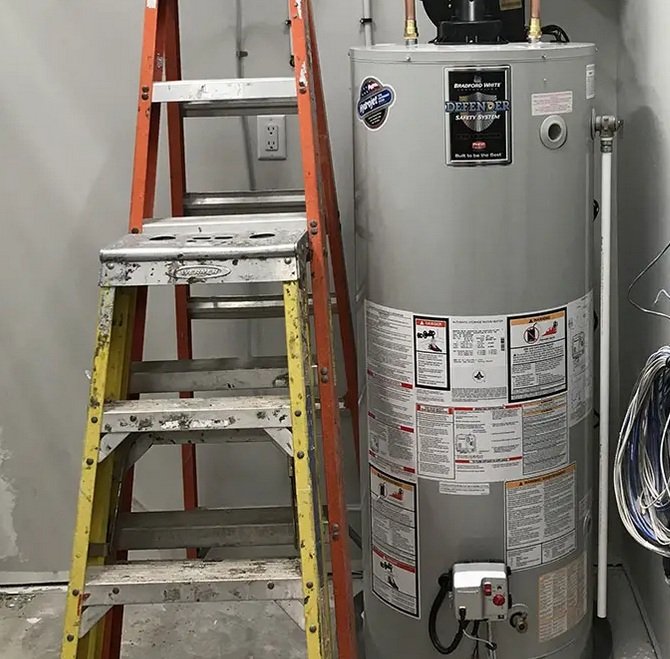
Storage tank water heaters are the most common type and consist of insulated tanks that store hot water until it is needed. These units are typically fueled by gas or electricity and come in various capacities. One of their main advantages is the initial low cost and simplicity of installation. However, they can consume more energy due to heat loss from the stored water and may require more frequent maintenance.
Solar water heaters utilize energy from the sun to heat water, making them an environmentally friendly choice. These systems typically include solar collectors and a storage tank. While they can significantly reduce energy costs over time, the upfront costs and reliance on sunlight can be disadvantages, especially in regions with less sunny days.
Heat pump water heaters transfer heat from the air or ground to heat water, using electricity efficiently. This technology can offer significant energy savings but may not be suitable for all climates and require adequate space for installation.
Key Factors to Consider When Choosing a Water Heater
When selecting a water heater, it is essential to consider several key factors to ensure that the chosen model meets your specific needs and preferences. One of the most critical factors is energy efficiency. Water heaters with high energy efficiency ratings, such as those certified with the ENERGY STAR label, can significantly reduce utility bills over time. These models tend to use less energy while providing the same amount of hot water, which makes them a cost-effective choice in the long run.
Another important factor to consider is the storage capacity of the water heater. Depending on the size of your household and the frequency of hot water use, it is crucial to select a model that can adequately meet your demands. For instance, a small family may find that a tankless water heater provides sufficient hot water on demand without the need for bulky storage, whereas larger families may require a traditional tank water heater with higher capacity to avoid running out of hot water during peak usage times.
The installation costs associated with different types of water heaters can vary significantly. It is advisable to obtain multiple quotes from licensed plumbers to ensure you are aware of the total expenses, which may include additional modifications to existing plumbing or electrical systems. Furthermore, understanding the maintenance requirements for the chosen model is paramount. Some water heaters necessitate regular maintenance and inspections to maintain their performance, while others are designed to be more user-friendly with minimal upkeep.
Overall, a comprehensive assessment of your hot water needs, efficiency options, storage capacity, installation costs, and maintenance will guide you in making an informed decision about the right water heater for your home.
Understanding Energy Efficiency and Costs
When choosing a water heater, understanding energy efficiency is crucial. Energy efficiency ratings, often represented by the Energy Factor (EF), indicate how much hot water a heater can produce for each unit of fuel consumed. A higher EF indicates a more efficient unit, which translates to lower energy bills over time. This is especially important in a household setting, where the water heater can account for a significant portion of energy usage.
Calculating the operating costs of different water heaters involves considering the energy source. Electric water heaters typically have higher energy costs compared to gas heaters, especially in areas where natural gas is more affordable. However, the initial purchase price of electric models is often lower than that of their gas counterparts. This complexity requires consumers to weigh both the purchase price and long-term operating costs when making a choice.
The importance of fuel type cannot be overstated. Electric heaters, while convenient, can result in higher energy expenses in places where electricity costs are high. Conversely, gas heaters may provide better efficiency and cost savings but require proper ventilation and a gas supply, which can complicate installation.
Moreover, many utility companies and governments offer financial incentives to encourage homeowners to choose high-efficiency models. These incentives can come in the form of rebates, tax credits, or reduced energy rates, which further decrease initial investment costs and enhance long-term savings. When considering energy-efficient models, it is prudent to investigate these opportunities. By understanding energy efficiency and costs associated with different water heaters, homeowners can make informed decisions that align with their financial goals and environmental considerations.
Installation, Maintenance, and Troubleshooting Tips
When considering the installation of a new water heater, homeowners are faced with several options, including whether to hire a professional or tackle the installation as a do-it-yourself project. Hiring a certified plumber can ensure the unit is installed correctly, adhering to local codes and regulations, which can be particularly important for gas-powered water heaters. On the other hand, tech-savvy individuals might opt for a DIY approach, provided they possess the necessary tools and knowledge. It is essential to thoroughly read the manufacturer’s installation manual and possibly watch instructional videos before proceeding with this option.
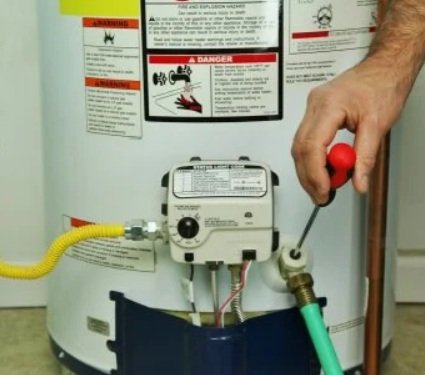
After installation, maintaining the water heater is crucial to prolong its lifespan and efficiency. Regular maintenance may include flushing the tank at least once a year to remove sediment buildup, which can affect the water heater’s performance. Checking the anode rod every few years is also vital, as it helps prevent corrosion within the tank. Additionally, homeowners should inspect the pressure relief valve annually to ensure it functions correctly, further safeguarding against excessive pressure buildup.
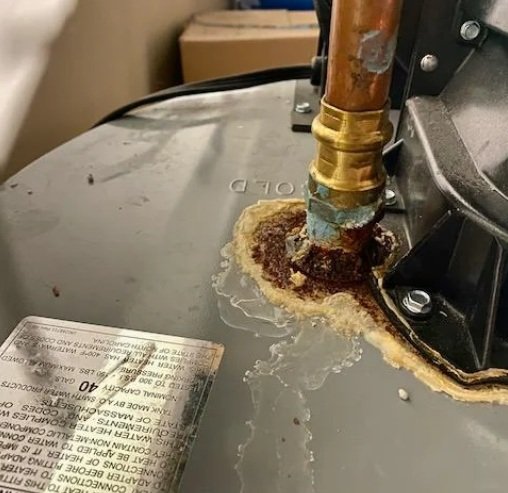
Minor troubleshooting issues may arise after installation, and being prepared can save time and money. For instance, if hot water supply seems inconsistent, it could indicate a faulty thermostat or a buildup of sediment in the tank. In the case of water leaks, one must first determine the source of the leak by checking the valves and connections. If a water heater emits strange noises, this may suggest the need for maintenance or inspection for potential faults. By understanding these common issues and their solutions, homeowners can enhance their experience with their new water heater.