Tank vs Tankless: Choosing the Ideal Water Heater for Your Home
Water heaters play a crucial role in providing hot water for residential and commercial needs. The two primary types of water heaters are tank and tankless models. Each type has its unique design, functionality, and method of heating and storing water.
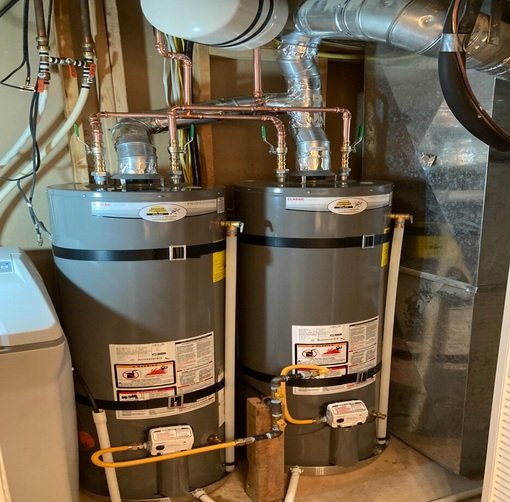
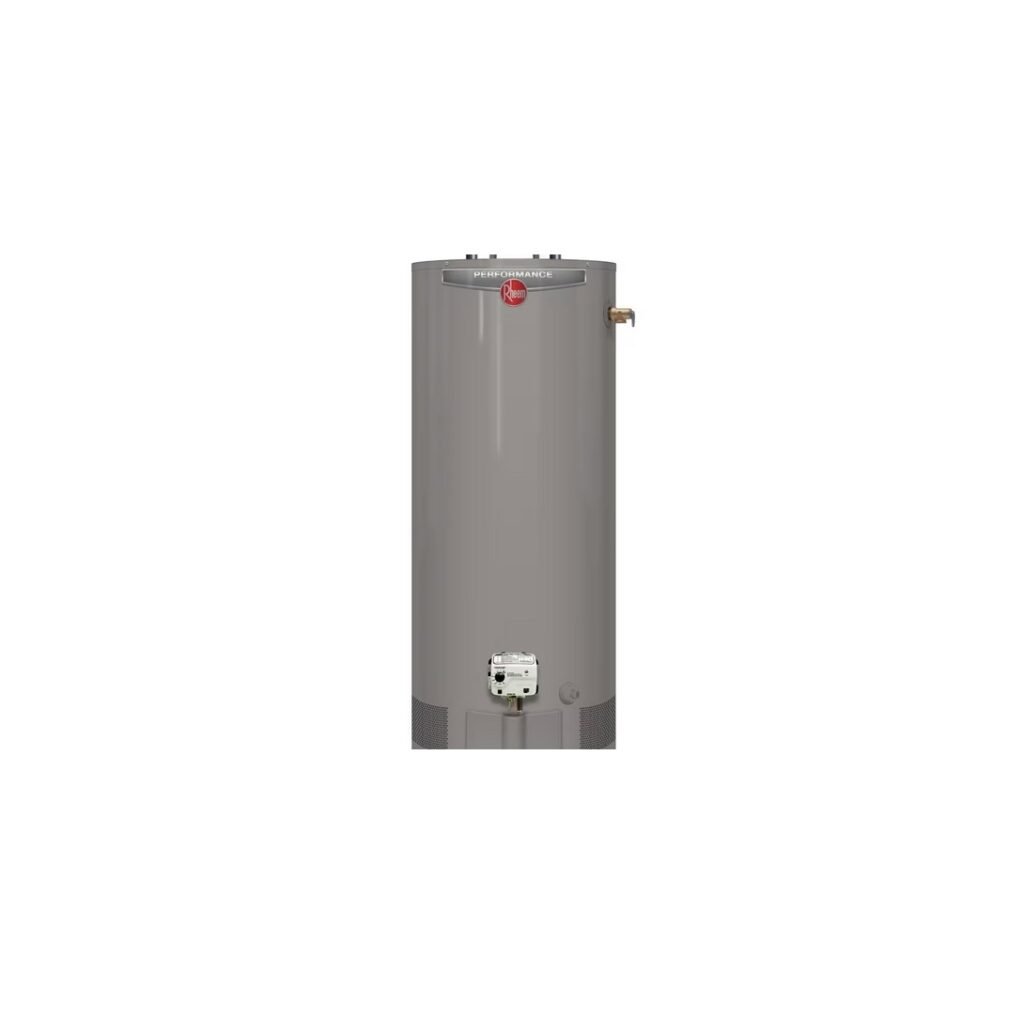
Traditional tank water heaters, also known as storage water heaters, consist of a large insulated tank, which can typically hold between 20 to 80 gallons of water. These heaters continuously heat the water in the tank to a set temperature. The key advantage of tank water heaters is their ability to provide a substantial amount of hot water instantly, making them suitable for households with higher hot water demands, such as multiple bathrooms. However, they can be less energy-efficient as they consume energy to keep the water heated continuously, even when not in use.
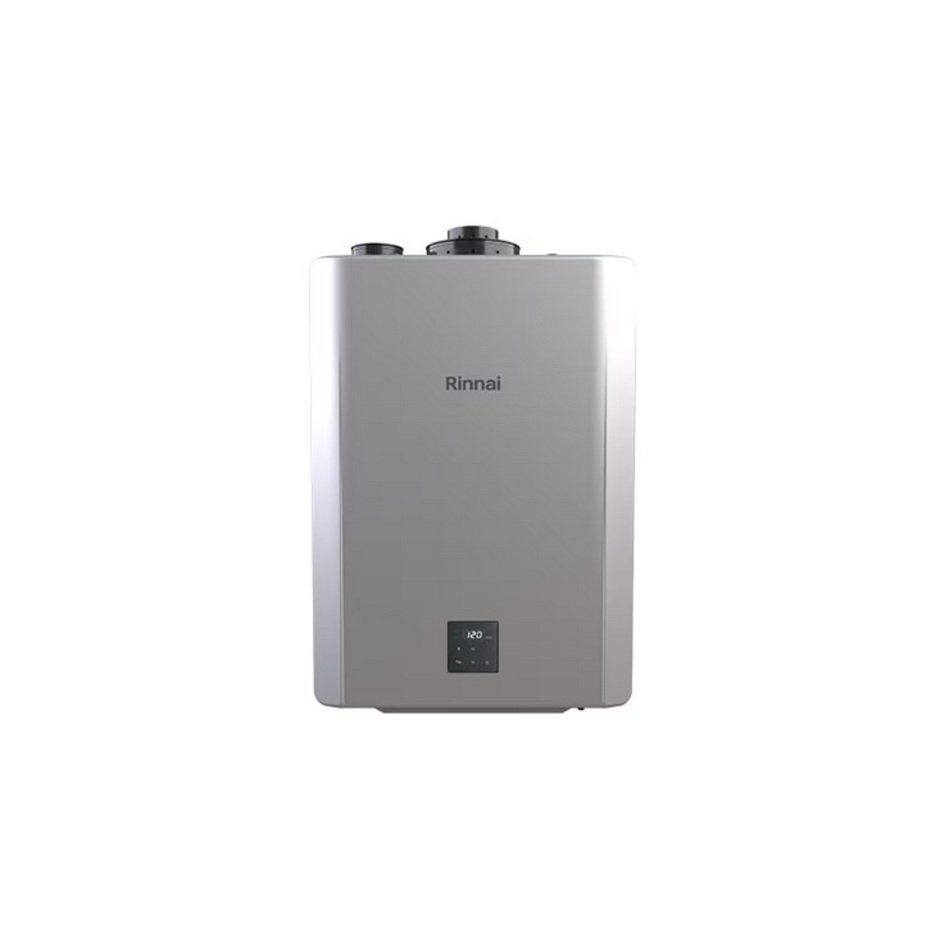
On the other hand, tankless water heaters, often termed on-demand water heaters, operate by heating water as it flows through the unit. This design eliminates the need for a storage tank, allowing these models to provide hot water without storing it beforehand. The primary advantages of tankless systems include their compact size, energy efficiency, and the ability to provide an endless supply of hot water. However, they may have limitations in delivering high volumes of hot water simultaneously, which could be challenging for larger homes or during peak usage times.
When considering which type of water heater to install, homeowners should weigh the pros and cons, as well as their specific hot water usage needs. Additionally, understanding the installation requirements, maintenance needs, and lifespan of each type can further aid in making an informed decision.
Energy Efficiency and Cost Comparison
When it comes to selecting a water heater, energy efficiency is a critical factor that influences both operating costs and environmental sustainability. Tank water heaters, which store a finite amount of hot water, often exhibit inefficiencies due to heat loss while sitting idle. Conversely, tankless water heaters heat water on demand, leading to potentially higher energy efficiency as they eliminate standby heat loss. According to the U.S. Department of Energy, tankless systems can be up to 34% more energy-efficient than traditional tank systems in homes that use approximately 41 gallons or less of hot water daily.
The operating costs associated with both types of water heaters also warrant consideration. Energy consumption heavily depends on local utility rates and the frequency of hot water use. Tank units typically have lower upfront costs but can manifest higher long-term expenses due to continuous heating. Conversely, while tankless heaters require a higher initial investment—an aspect some homeowners find daunting—their potential for lower ongoing energy bills presents an appealing incentive. Many households find that the savings on energy bills can outweigh the installation costs over time.
Moreover, the environmental implications of energy efficiency cannot be overstated. A more efficient water heater contributes to reduced greenhouse gas emissions, aligning with growing trends towards sustainability. As homeowners increasingly focus on eco-friendly choices, investing in a tankless system, despite the increased upfront costs, may be seen as a responsible decision in the long run. This choice not only helps in budget planning but also plays a significant role in minimizing one’s carbon footprint, making it a central consideration when evaluating the pros and cons of tank versus tankless water heaters.
Installation and Space Considerations
The installation requirements for water heaters significantly differ between traditional tank models and tankless options. Understanding these distinctions is crucial for homeowners evaluating which type is most suitable.
Conventional tank water heaters typically require a considerable amount of space due to their large size. Most units range from 20 to 80 gallons, necessitating dedicated areas such as basements or utility rooms. Furthermore, the placement of these heaters often requires specific plumbing configurations, including cold water supply connections and hot water distribution lines. Homeowners may need to provide adequate ventilation, especially if gas models are chosen, calling for potentially costly renovations or adaptations to existing home structures.
In contrast, tankless water heaters are considerably more compact, with many models being wall-mounted. This design affords greater flexibility in installation locations, making them appropriate for smaller homes or apartments where space is limited. These units provide on-demand hot water, eliminating the need for a storage tank. However, it is essential to note that tankless systems require proper electrical or gas supply for optimal performance, which could entail additional electrical upgrades or piping rerouting, depending on the home’s existing infrastructure.
When comparing the two systems, the footprint of tankless water heaters offers distinct advantages for various home layouts. For example, they can be installed in closets or tucked away in corners, preserving valuable living space. Moreover, local zoning regulations may also influence the installation process, as some jurisdictions have specific codes governing the placement and exhaust systems of gas water heaters. Homeowners should consult local regulations and possibly enlist professional advice to ensure compliance and safety during installation.
Ultimately, the choice between tank and tankless water heaters largely hinges on these installation considerations, weighing space availability against the benefits of energy efficiency and hot water availability.
Making the Right Choice for Your Home
When deciding between a tank and a tankless water heater, it is essential to consider various factors that align with your household’s unique needs and preferences. The size of your household plays a crucial role; larger families typically have higher hot water demand, making a tank water heater more suitable. In contrast, smaller households may benefit from the efficiency of a tankless unit, which provides hot water on-demand without the need for a storage tank.
Hot water demand is another critical consideration. If your household uses hot water simultaneously in multiple locations, a traditional tank heater may be ideal, as it provides a steady supply. Conversely, for homes with staggered hot water usage, a tankless solution can be more efficient, heating water as needed without the risk of running out.
Budget is also a significant factor. Initially, tankless water heaters tend to be more expensive to purchase and install; however, they often provide energy savings over time, making them an attractive option for budget-conscious homeowners in the long term. On the other hand, tank options may have lower upfront costs, but they can incur higher energy bills due to standby heat loss.
Lastly, environmental concerns are increasingly influencing consumer choices. Tankless water heaters generally have a smaller carbon footprint since they use less energy both during operation and over their lifespan. Homeowners focused on reducing their environmental impact may find this aspect particularly appealing.
By weighing these factors—household size, hot water demand, budget constraints, and environmental implications—homeowners can effectively choose the water heater that best meets their needs and preferences. This decision-making framework allows for a more informed selection, ensuring the chosen water heater will provide comfort and efficiency for years to come.