Water Heater Buying Guide: How to Pick the Right One
When it comes to selecting a water heater, understanding the different types available is crucial for making an informed decision. The market offers a variety of options, each with its own set of advantages and disadvantages. Among the most commonly used are traditional tank water heaters, tankless models, heat pump water heaters, and solar water heaters.
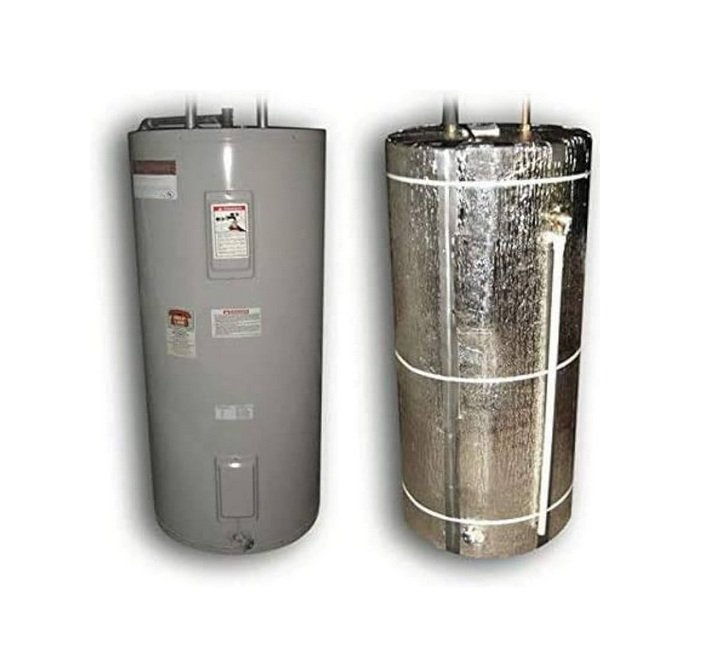
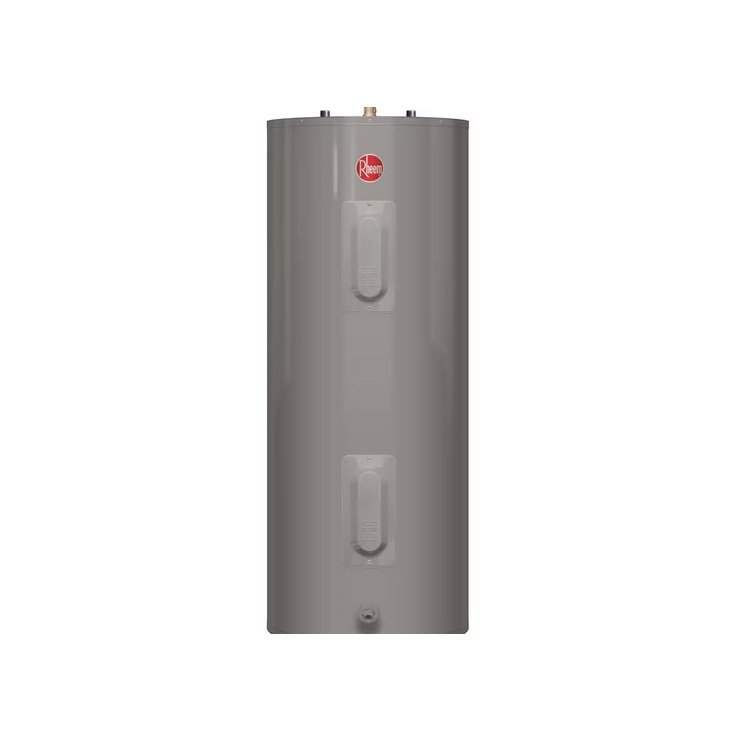
First, traditional tank water heaters, often referred to as storage water heaters, are designed to hold a specific volume of hot water. They continuously heat the water to maintain the desired temperature. This type is generally more affordable upfront but can lead to higher energy bills due to standby heat loss when it is not in use.
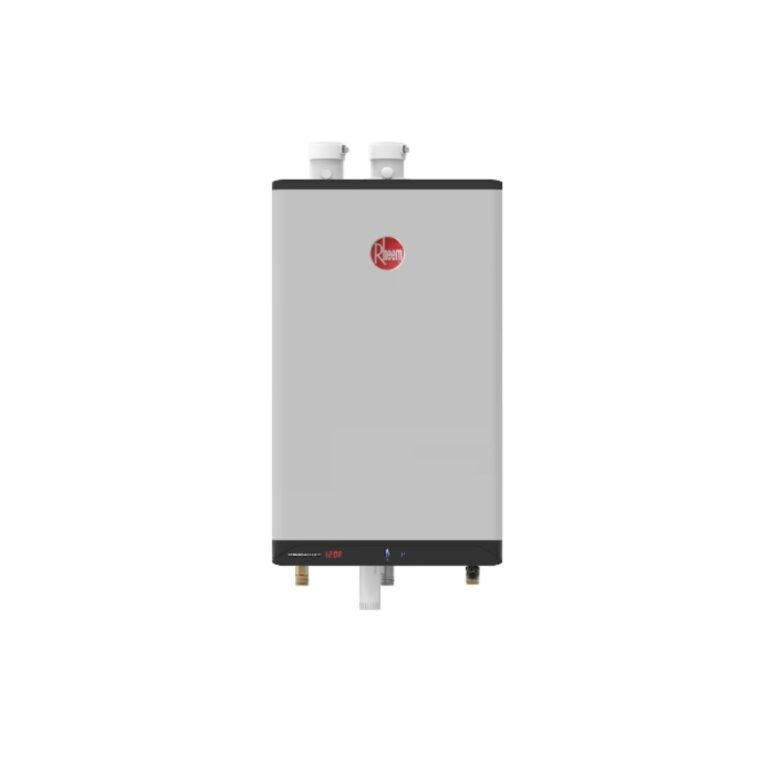
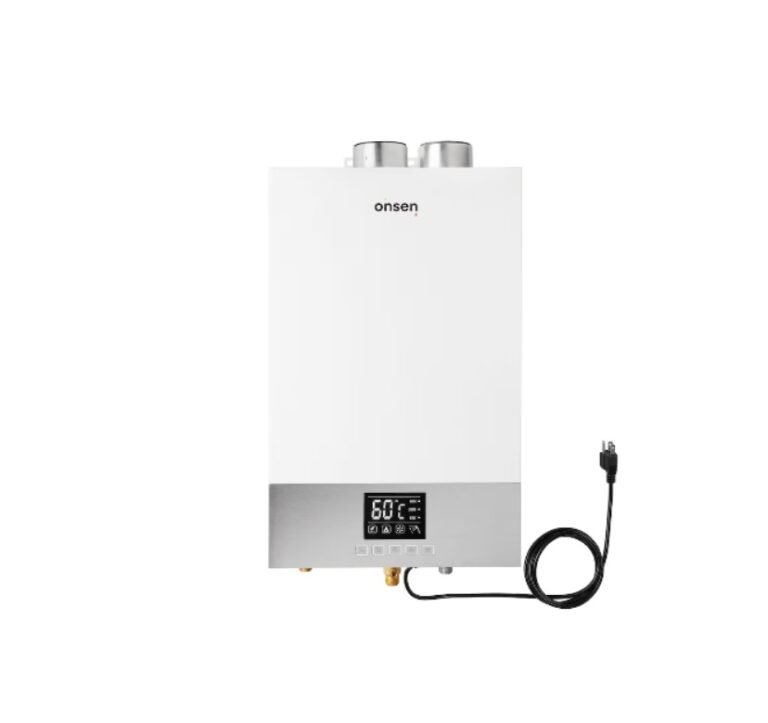
Tankless water heaters, also known as on-demand models, heat water directly without the need for a storage tank. These units provide hot water only as needed and can significantly reduce energy costs, as they do not incur standby heat losses. However, the initial investment is usually higher, and their performance can be limited in high-demand situations, especially in larger households.
Heat pump water heaters are another option, utilizing electricity to transfer heat from the air or ground to heat the water. They are known for their high energy efficiency, often yielding lower utility bills. However, they perform less effectively in colder climates and may require more space for installation.
Lastly, solar water heaters harness energy from the sun to heat water, providing a sustainable and environmentally friendly option. Although they can significantly reduce energy costs and lower carbon emissions, the initial installation cost can be high, and they may require a backup system to ensure hot water availability during cloudy days or at night.
In selecting the right water heater, homeowners should consider their household size, water usage patterns, and energy efficiency preferences. Evaluating these factors will help in determining which type will be the most suitable for their specific needs.
Factors to Consider When Choosing a Water Heater
When selecting a water heater, several critical factors must be assessed to ensure optimal performance and satisfaction. Firstly, the size and capacity of the water heater are paramount. The requirements for a household significantly vary based on the number of occupants, daily water consumption patterns, and peak usage times. To determine the right size, one must calculate the first-hour rating (FHR) necessary to meet household demands during high usage periods.
In addition to size, energy efficiency ratings are crucial for both environmental and economic reasons. Water heaters are available with various energy efficiency ratings, and those labeled as ENERGY STAR certified typically offer significant savings on utility bills. Choosing a unit with higher energy efficiency not only reduces ongoing expenses but also decreases the overall carbon footprint of a household.
Fuel type is another important consideration. Water heaters commonly run on electricity, gas, or solar energy, and each type has its own advantages. Electric heaters often have lower upfront costs and are easier to install, while gas units are generally more efficient and provide quicker heating. Solar water heaters, while requiring higher initial investments, can result in substantial long-term savings, particularly in sunny climates.
Installation considerations should also be addressed. The available space, proximity to the power source, and any local building codes could affect the choice of the water heater. Furthermore, the climate in which a residence is located can influence efficiency; for instance, in regions with colder climates, proper insulation of pipes may be necessary to minimize heat loss.
Finally, budgetary concerns are essential in the selection process. It is advisable to evaluate not only the initial cost of the water heater but also the potential long-term savings associated with energy-efficient units. Taking into account all these factors will help ensure that homeowners make an informed selection that best fits their needs and financial constraints.
Water Heater Installation and Maintenance Considerations
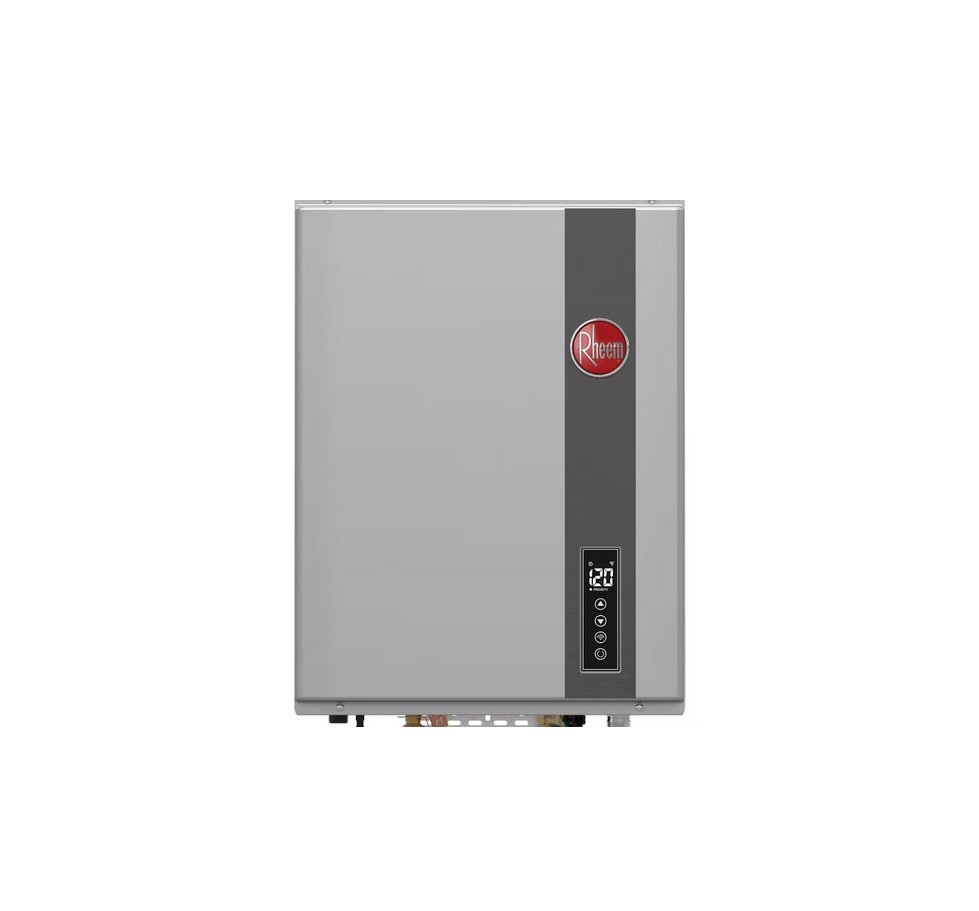
Choosing the right water heater involves assessing not only the type and capacity but also the installation and maintenance requirements that accompany the unit. Installation factors vary significantly based on whether you opt for a traditional tank water heater, tankless model, or a heat pump water heater. Each type may have specific requirements regarding space, electrical capacity, and plumbing arrangements.
For many homeowners, the decision between DIY installation and hiring a professional can be daunting. DIY installation can save on costs, but it is crucial to possess the necessary skills and knowledge to complete the installation safely and effectively. Water heaters involve complex plumbing and electrical components, and improper installation can lead to leaks, inefficiency, or even hazardous situations. Therefore, it is generally advisable to hire a licensed professional for installation, particularly for those unfamiliar with plumbing and electrical systems.
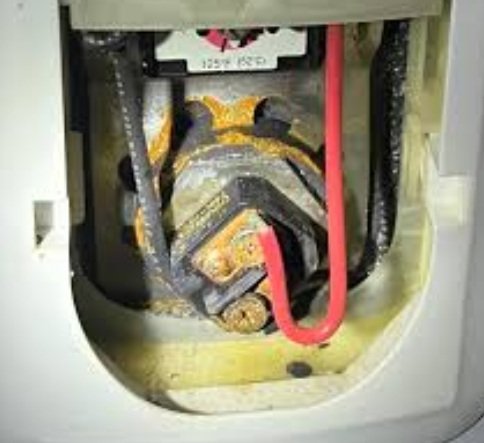
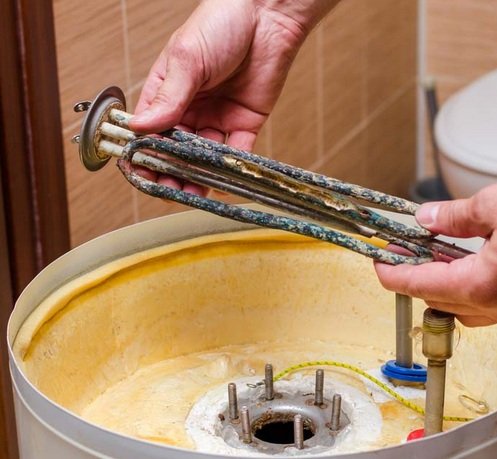
Once the water heater is installed, regular maintenance becomes essential to ensure optimal performance and longevity of the unit. A comprehensive maintenance checklist should include tasks such as checking the temperature and pressure relief valve, flushing the tank annually to remove sediment buildup, and inspecting anodes in tank models regularly. Maintaining the efficiency of a water heater not only extends its lifespan but also helps prevent costly repairs or replacements in the long run.
Regularly inspecting the unit for leaks and corrosion is also advisable. Moreover, ensuring that the heater is set to an appropriate temperature helps prevent overheating and scalding risks. Following these maintenance protocols not only enhances safety but also upholds the energy efficiency of the water heater, ultimately benefiting both the homeowner and the environment.
Making the Final Decision: Cost, Warranty, and Reviews
When contemplating the purchase of a new water heater, the total cost of ownership must be carefully evaluated. This encompasses not only the initial purchase price but also installation costs, ongoing energy expenses, and any potential energy savings over the lifespan of the product. Homeowners should first determine their budget and factor in the prices of different types of water heaters, which can vary greatly depending on the model and brand. For instance, tankless water heaters typically have a higher upfront cost but can offer significant savings in energy bills over time.
Installation fees can also add to the overall expense. It is advisable to obtain multiple quotes from qualified professionals to gauge the average installation cost. Additionally, identifying any necessary modifications to existing plumbing or electrical systems is essential, as these can lead to increased costs. To better assess the efficiency and potential savings associated with a water heater, energy ratings should be consulted, as they can reveal how much money can be saved on utility bills annually.
Warranty coverage is another critical aspect in the decision-making process. A longer warranty serves as an assurance of the manufacturer’s confidence in their product and can provide peace of mind for buyers. Homeowners should aim for warranties that cover parts and potentially labor. Furthermore, it is beneficial to read customer reviews and industry comparisons to gain insights into real-world experiences with various water heater models. Evaluating product reviews provides valuable information regarding performance, reliability, and customer satisfaction, which can ultimately guide consumers toward making a well-informed choice.