Top Tips for Selecting the Perfect Water Heater
Assessing your household’s hot water needs is a crucial step in selecting the right water heater. Understanding these requirements enables homeowners to make informed decisions based on their specific lifestyles and daily habits. The first factor to consider is household size; the number of people living in your home directly influences the volume of hot water required. For instance, larger families typically require a higher capacity water heater to accommodate simultaneous showers, laundry, and dishwashing.
Next, identifying peak usage times is vital. Many households experience high demand during morning hours when multiple family members are preparing for the day. It’s essential to evaluate your routines and peak times to determine when the most hot water will be needed. By tracking the usage patterns, you can better identify the flow rates and recovery efficiencies required from a new water heater.
Additionally, consider the specific hot water needs for various appliances and bathing practices. Some appliances, like washing machines and dishwashers, heavily rely on hot water for efficient operation. If your household frequently uses these devices, it is essential to account for their water consumption when evaluating your overall hot water capacity. Furthermore, personal bathing habits, such as the preference for long showers or evening baths, will also play a significant role in calculations.
In conclusion, quantifying your hot water demand involves assessing the size of your household, identifying peak usage times, and understanding the specific needs for appliances and bathing. This thorough evaluation will empower you to select the most efficient and suitable water heater for your home, ensuring that your hot water requirements are proficiently met.
Types of Water Heaters: Pros and Cons
Selecting the ideal water heater involves understanding the different types available, each with its own set of advantages and disadvantages. The most common types include traditional tank water heaters, tankless water heaters, solar water heaters, and heat pump water heaters.
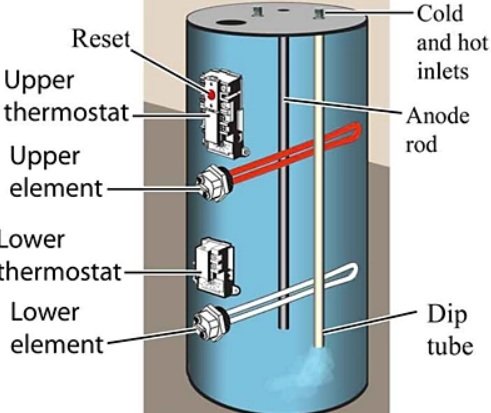
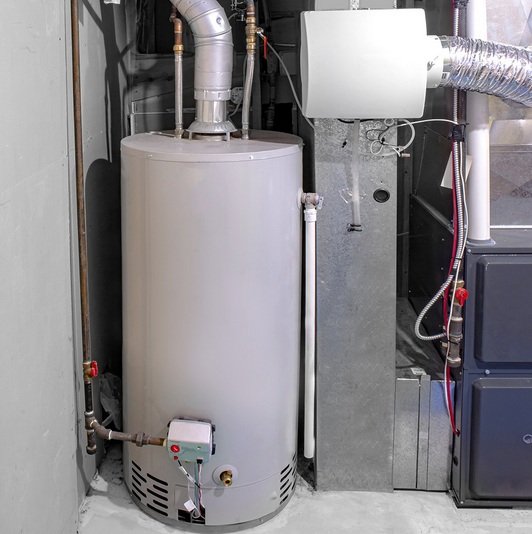
Traditional Tank Water Heaters are the most widely used. They store a large volume of hot water, which makes it readily available. Although they are generally less expensive to purchase and install, they tend to have lower energy efficiency. Additionally, the tank’s size limits the amount of hot water available at any one time. A significant drawback is the heat loss that occurs when the water sits in the tank, often referred to as standby heat loss.
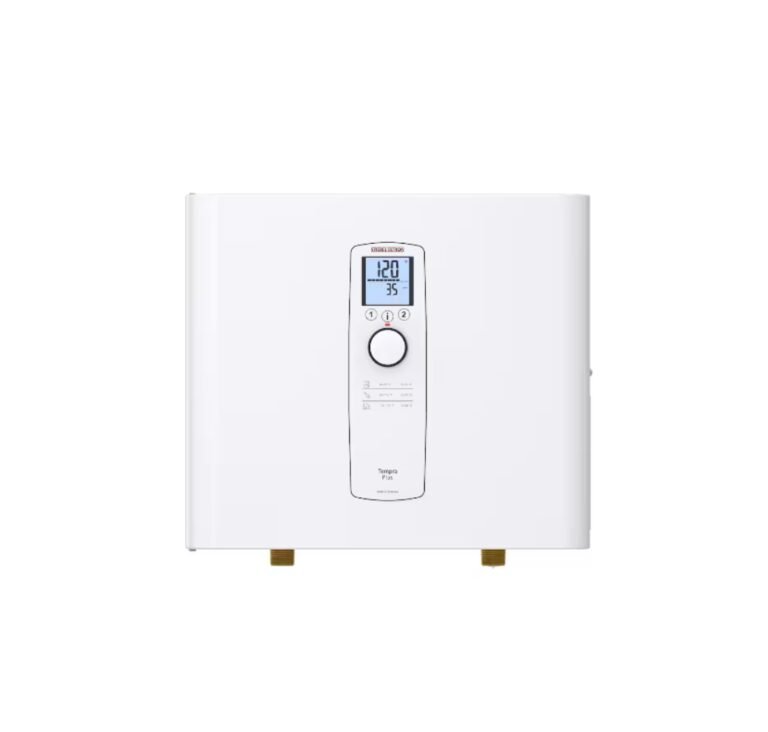
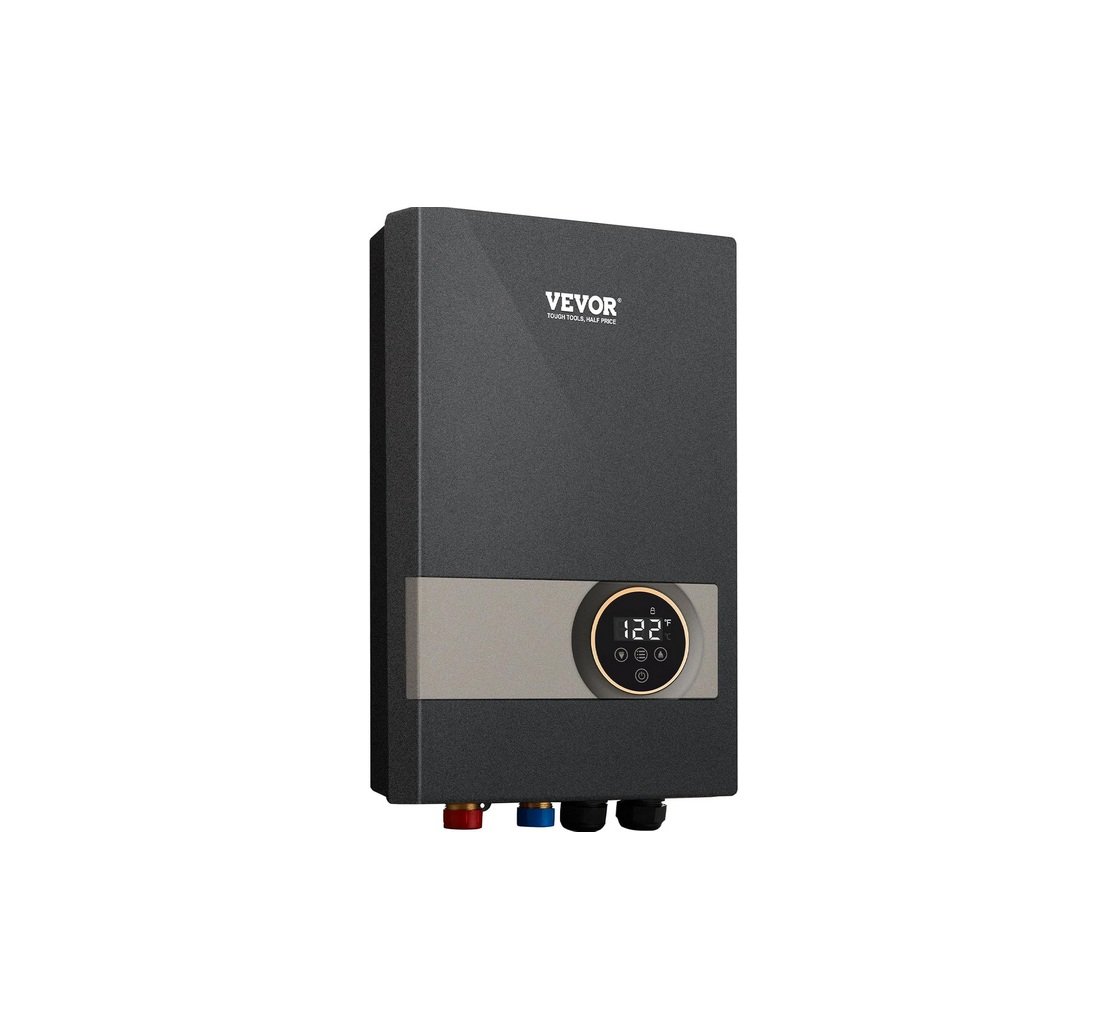
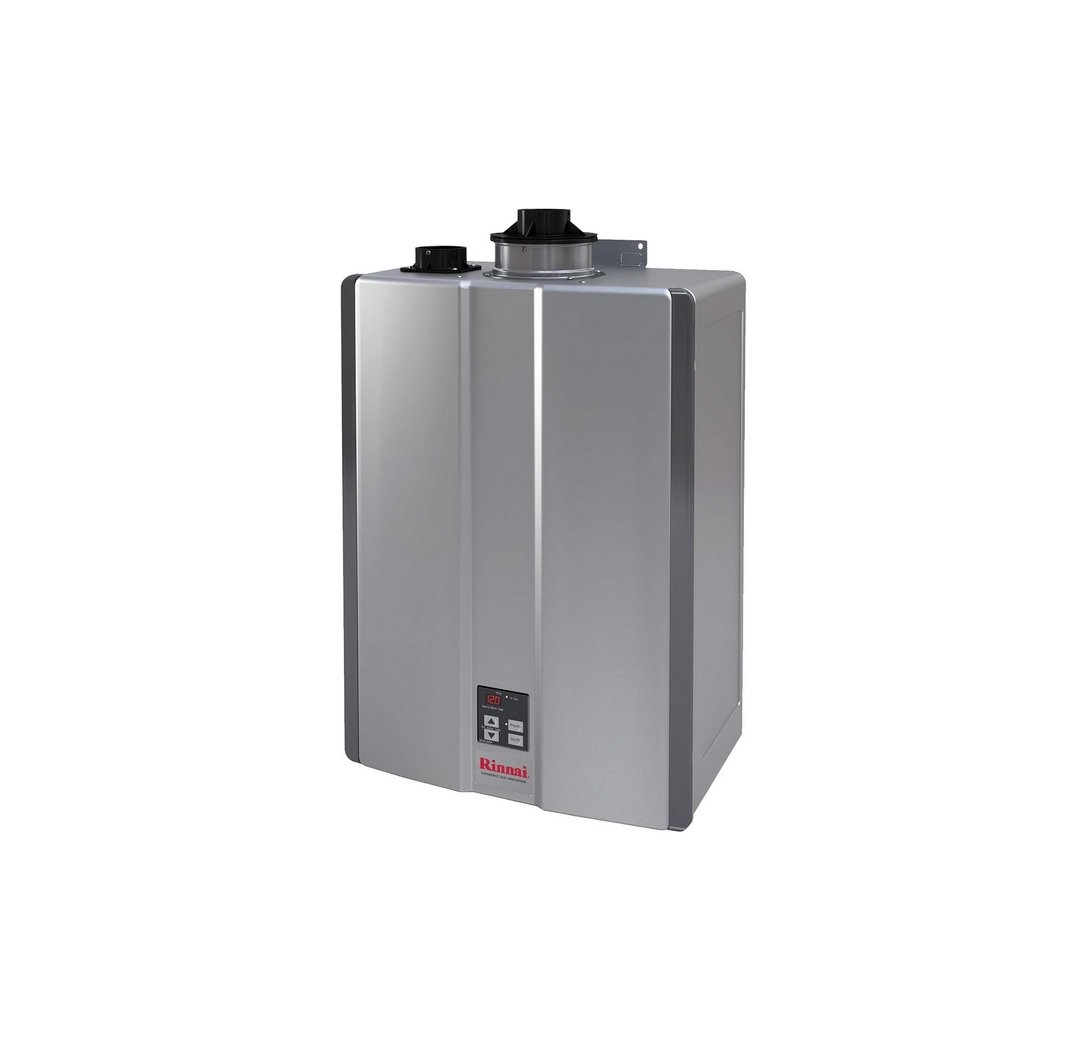
Tankless Water Heaters, also known as on-demand water heaters, heat water directly without the need for storage. As a result, they provide an uninterrupted supply of hot water and are more energy-efficient since they operate only when hot water is needed. However, their initial cost can be significantly higher, and in some cases, they may not deliver enough hot water for simultaneous usage in large households.
Solar Water Heaters leverage renewable energy from the sun, providing a very eco-friendly option. They can significantly reduce utility bills in sunny climates. The main disadvantage is the higher initial investment and the need for backup systems in less sunny regions, which can offset some energy savings.
Heat Pump Water Heaters transfer heat from the air or ground to heat the water, making them highly efficient. They can use up to 60% less energy compared to conventional electric water heaters. However, they require a significant upfront cost and often demand specific installation conditions, such as adequate space and moderate ambient temperatures.
By understanding the pros and cons of each type of water heater, homeowners can make an informed decision based on their specific needs and budget, maximizing efficiency and comfort in their homes.
Energy Efficiency and Cost Considerations
Selecting an energy-efficient water heater is crucial for not only reducing environmental impact but also for managing long-term operating costs. Water heaters consume a significant amount of energy, making their efficiency ratings a vital consideration for any homeowner. The first step in evaluating a water heater’s energy efficiency is identifying its Energy Star rating. Appliances that carry this certification meet specific standards set by the U.S. Environmental Protection Agency (EPA), indicating they are among the most efficient models available.
One of the primary metrics to consider when assessing the energy efficiency of a water heater is its Energy Factor (EF) rating. This rating measures how efficiently the appliance converts energy into hot water. Typically, a higher EF rating translates to lower energy consumption and costs. Additionally, tankless water heaters often have superior efficiency ratings compared to traditional tank models due to their on-demand heating capabilities, which can reduce energy waste significantly.
Furthermore, when evaluating total cost of ownership, it is essential to account for several factors beyond the initial purchase price. Installation costs, which can vary by model and geographical location, should be included in your budget. Regular maintenance is another critical element that contributes to the long-term cost analysis. Efficient models may require less frequent service, leading to savings over time.
Consumers should also consider potential utility rebates or tax incentives for purchasing energy-efficient models, which can help offset the initial investment. In summary, while it may be tempting to focus solely on the purchase price of a water heater, understanding the energy efficiency ratings, estimating total ownership costs, and factoring in maintenance will ultimately lead to a more informed and budget-friendly decision.
Installation and Maintenance Tips
When considering the installation of a water heater, several important factors must be taken into account to ensure optimal performance. Begin by selecting a suitable location that allows for adequate ventilation and accessibility for future maintenance. It is advisable to install the unit in an area protected from extreme temperature fluctuations to enhance efficiency. Employ the assistance of a qualified professional for the actual installation process. This is crucial as improper installation can lead to various issues, including insufficient heating, leaks, and potential hazards.
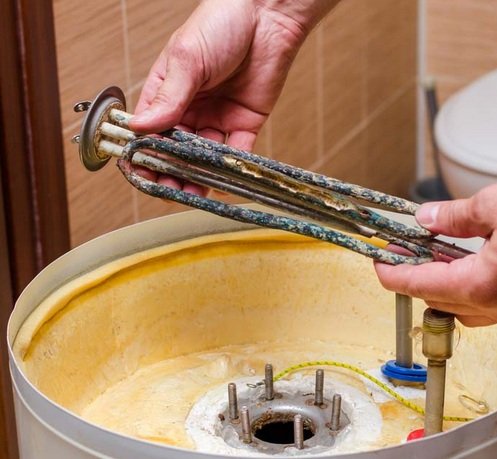
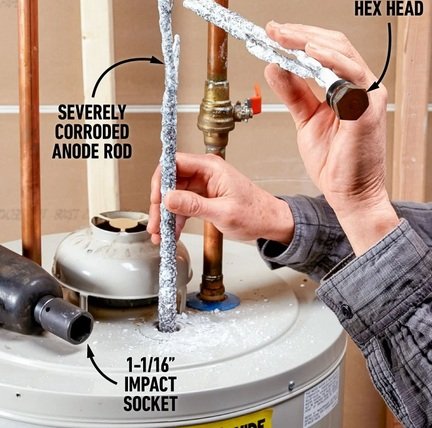
Once the water heater is installed, routine maintenance becomes essential to prolong its lifespan and maintain peak performance. Regularly checking the thermostat settings can help avoid energy waste. It is also advisable to flush the tank at least once a year to remove sediment buildup that can affect efficiency and even lead to corrosion. Additionally, inspecting and replacing the anode rod every few years is a vital maintenance task that can prevent rusting and extend the unit’s life significantly.
Another critical aspect of maintenance involves monitoring for any signs of leaks or unusual noises from the water heater. Addressing these issues promptly can prevent further damage and costly repairs. Ensure that the temperature setting on the water heater is regulated between 120°F to 140°F. This not only saves energy but also reduces the risk of scalding. Lastly, schedule an annual check-up with a professional to thoroughly examine the unit and conduct any necessary repairs.