The Importance of Pressure Regulators for Water Heaters: When and Why to Use Them
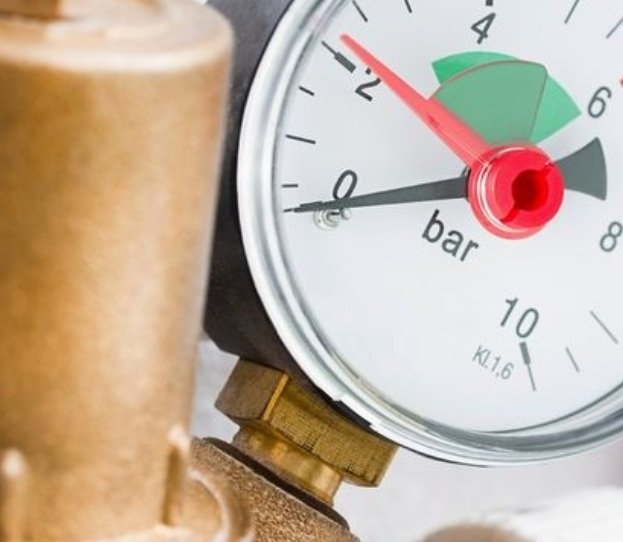
Water pressure is a critical element in plumbing systems, influencing the performance and efficiency of water heaters. In general, normal water pressure in residential settings ranges from 40 to 60 psi (pounds per square inch). When the water pressure operates within this range, water heaters can function optimally, delivering adequate hot water without excessive strain on the system. However, fluctuations or excessive pressure can lead to numerous issues with both the performance and longevity of the water heater.
High water pressure, often defined as measurements exceeding 80 psi, can present significant challenges. It can cause undue stress on various plumbing components, including pipes, fixtures, and the water heater itself. Over time, this elevated pressure may lead to leaks, ruptures, or premature failure of the water heating appliance. Moreover, the internal mechanisms of the water heater, such as valves and seals, may degrade more quickly under high-pressure conditions, resulting in costly repairs.
Conversely, low water pressure can also hinder the performance of water heaters. It may result in inadequate hot water supply or reduced heating efficiency. In some cases, water heaters may fail to ignite properly or perform at their designed capacity if the incoming pressure falls below acceptable levels. This can frustrate homeowners, especially during peak usage times.
Additionally, fluctuating water pressure can exacerbate problems, leading to frequent on-and-off cycling of heaters. Such cycling not only diminishes energy efficiency but also contributes to wear and tear on the system. Therefore, understanding the nuances surrounding water pressure is essential for homeowners, allowing them to recognize potential issues and take preventative measures, such as installing pressure regulators to safeguard their water heating systems against damaging high-pressure scenarios.
Understanding Pressure Regulators
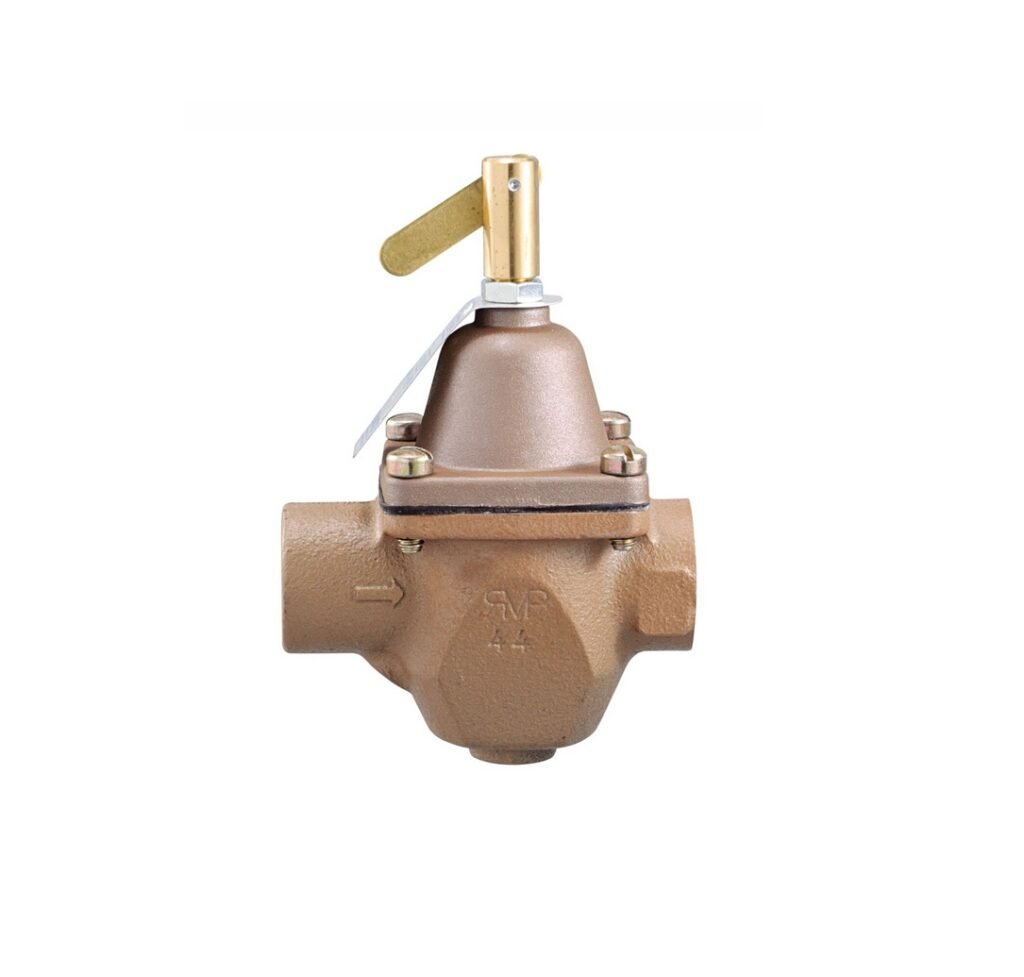
Pressure regulators are integral devices that maintain a consistent and safe water pressure within a system, particularly in water heaters. They are engineered to reduce and stabilize pressure fluctuations that could otherwise lead to potential damage to plumbing and heating equipment. In essence, pressure regulators operate by controlling the amount of incoming water pressure that feeds into a water heater, ensuring that it remains within optimal operational thresholds.
The mechanics behind pressure regulators involve a sophisticated set of components, including a diaphragm, spring, and valve. When water enters the regulator, it encounters the diaphragm, which is designed to flex and respond to changes in pressure. If the incoming pressure exceeds the predetermined levels, the diaphragm moves, prompting the spring to compress. This action closes the valve, effectively reducing the flow of water until the pressure stabilizes within the desired range.
Conversely, if water pressure drops below the set threshold, the diaphragm relaxes, allowing the valve to open and restore normal flow. This responsive action ensures that water heaters operate efficiently, preventing instances of fluctuating temperatures that can lead to discomfort or inefficiency.
In summary, pressure regulators function as protective agents in water heating systems, safeguarding against high-pressure surges that could compromise both the water heater’s performance and longevity. Their ability to stabilize pressure not only enhances the operational efficiency of the water heater but also extends its lifespan by minimizing the risk of wear and tear caused by pressure-related issues.
Signs That Indicate a Need for a Pressure Regulator
Homeowners may encounter several symptoms that suggest the necessity for a pressure regulator in their water heater system. One prominent indicator is the occurrence of loud noises emanating from the heater. Unusual sounds, such as banging or popping, can signify excess pressure within the system, which may lead to significant wear over time if not addressed. This aggravation not only affects the efficiency of the water heater but may also shorten its lifespan.
Another vital sign is the presence of uneven water temperatures. If the water fluctuates between extremely hot and cold, it may indicate that the water pressure is fluctuating as well. Such irregularities can be detrimental, as they undermine user comfort and safety, particularly in instances where scalding hot water may be dispensed unexpectedly.
Additionally, homeowners should be vigilant for leaks around the fittings and connections of the water heater. Water pooling or constant dripping around these areas may suggest that the pressure is too high for the fittings to handle. Addressing small leaks promptly can prevent water damage and costly repairs that may arise from prolonged exposure to excess moisture.
Frequent maintenance issues are another strong indicator that a pressure regulator might be necessary. If homeowners find themselves needing to service their water heater more often than expected, high water pressure may be the underlying cause. Regular maintenance can inadvertently lead to larger, more complex issues when excessive pressure wears down parts more quickly.
By recognizing these symptoms early, homeowners can take proactive steps towards maintaining their water heater efficiency and longevity, thereby avoiding significant complications in the future.
Choosing and Installing a Pressure Regulator for Your Water Heater
When considering the integration of a pressure regulator with your water heater, there are several critical factors to contemplate in order to ensure optimal performance and longevity of both the regulator and the heater. First, it is essential to verify compatibility. Not all pressure regulators are suited for every water heater model. Check the manufacturer’s specifications and confirm that the chosen regulator can handle the water heater’s capacity and operational requirements.
Next, consider the pressure rating of the pressure regulator. The primary function of the regulator is to maintain the inlet water pressure at a consistent level, which is crucial to avoid sudden spikes that can lead to water hammer or leaks. A regulator with an adjustable pressure setting might be advantageous, allowing flexibility for different water heater units or household needs.
Installation requirements must also be adhered to for safety and effectiveness. Generally, the regulator should be installed on the inlet supply line to the water heater. Ensure that the installation is executed as directed by the manufacturer, which may include orientation, sealing, and connection specifications. It is advisable to check local plumbing codes to confirm compliance.
While some individuals may attempt to install a pressure regulator themselves, it is always prudent to assess one’s own skill level in plumbing tasks. If there are any uncertainties regarding the installation process, consulting with a professional plumber will not only guarantee proper installation but will also facilitate adherence to safety standards, minimizing potential risks associated with improper setup.
By taking the time to carefully select and correctly install a pressure regulator for your water heater, homeowners can enhance system efficiency, extend the lifespan of their equipment, and ensure reliable temperature and pressure control for their domestic hot water needs.