Watch for Pressure Spikes on Your Water Heater: A Complete Guide
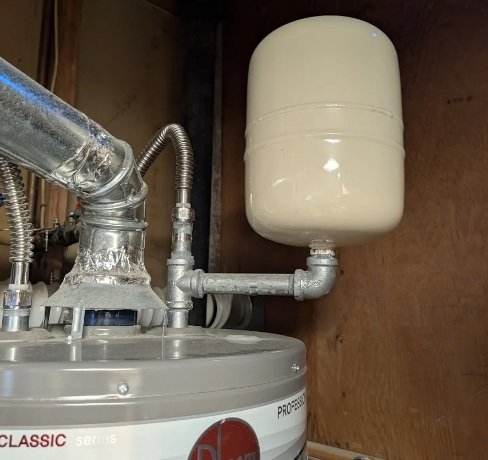
Water heaters are essential appliances in many households, responsible for providing hot water for various daily activities. A crucial aspect of their functionality is the management of pressure within the system. Proper pressure levels contribute not only to the efficiency of the unit but also to the safety of its operation. When water heaters heat water, they create thermal expansion, which results in increased pressure inside the tank. This is a normal occurrence; however, it is vital to ensure that this pressure is maintained within safe limits.
The importance of pressure regulation cannot be overlooked. Each water heater is designed to function optimally at a specific pressure, which is typically around 50-60 psi (pounds per square inch). If pressure levels rise above this threshold, it can lead to malfunction or even catastrophic failures. This is where pressure relief valves come into play. These valves are engineered to open automatically when the pressure exceeds safe limits, allowing excess steam or water to escape. In essence, pressure relief valves act as safety devices that prevent the pressure from reaching dangerous levels and protect the integrity of the water heater.
If pressure spikes are left unchecked, they can result in serious consequences, such as leaks, ruptured pipes, or even explosions in extreme cases. Regular maintenance checks are crucial to ensure that the pressure relief valves are functioning correctly and that the system is operating within the recommended pressure range. Homeowners should remain vigilant and recognize the signs of pressure-related issues while taking proactive measures to mitigate risks associated with high pressure in their water heaters.
Signs of Pressure Spikes in Water Heaters
Identifying the signs of pressure spikes in water heaters is crucial for maintaining the integrity of your unit and ensuring the safety of your home. Several symptoms indicate potential problems, and recognizing them early can prevent further complications.
One of the most common indicators of pressure spikes is the presence of unusual noises emanating from the water heater. Homeowners might notice banging or popping sounds, which typically result from rapid heating leading to the buildup of steam. This phenomenon can indicate that the water temperature is exceeding safe levels, causing increased pressure within the tank.
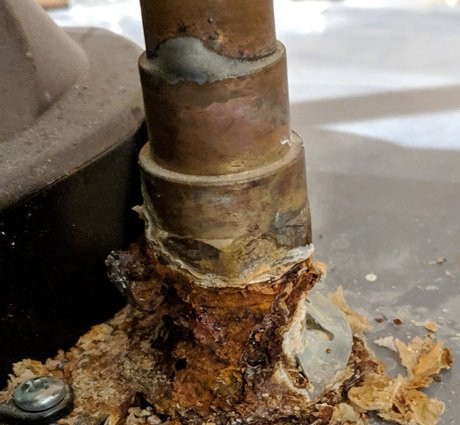
Another telltale sign is the presence of water leaks around the unit. If you observe moisture pooling near the base of your water heater or any signs of corrosion, it may signify that the pressure relief valve is malfunctioning or that excessive pressure is causing structural weaknesses in the tank. Immediate attention to leaks is vital to prevent water damage and further complications.
Changes in water temperature can also signal pressure issues. If you experience fluctuations, such as unexpectedly hot or lukewarm water, this could indicate that the heater’s pressure is abnormal. Such variations can affect the functionality of appliances connected to the hot water supply, leading to potential breakdowns or inefficiency.
Furthermore, the activation of the pressure relief valve is a critical sign. This valve is designed to release excess pressure from the water heater, and its activation suggests that the unit is experiencing pressure levels that exceed safety norms. If the valve frequently opens, it is essential to investigate the cause and address any underlying issues.
In summary, monitoring these symptoms—unusual noises, leaks, temperature changes, and valve activation—allows homeowners to stay vigilant and maintain their water heater’s functionality and safety.
Causes of Pressure Spikes and Their Impact
Pressure spikes in water heaters can arise from a variety of factors, each having potential implications for both the efficiency and safety of the unit. Understanding these causes is crucial for homeowners looking to maintain their water heating systems effectively.
One of the primary factors that lead to pressure spikes is excessive heating of the water. When the thermostat malfunctions, it may fail to accurately regulate the temperature of the water. Consequently, the temperature can rise beyond optimal levels, which increases the pressure inside the tank. This not only jeopardizes the integrity of the water heater but can also pose serious safety risks.
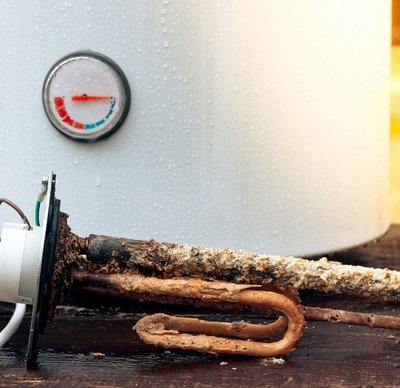
Sediment buildup is another contributor to increased pressure. Over time, minerals and debris can accumulate at the bottom of the tank, creating a barrier that prevents proper heat distribution. This issue can exacerbate overheating, as the heater has to work harder to maintain the desired temperature, leading to further pressure spikes.
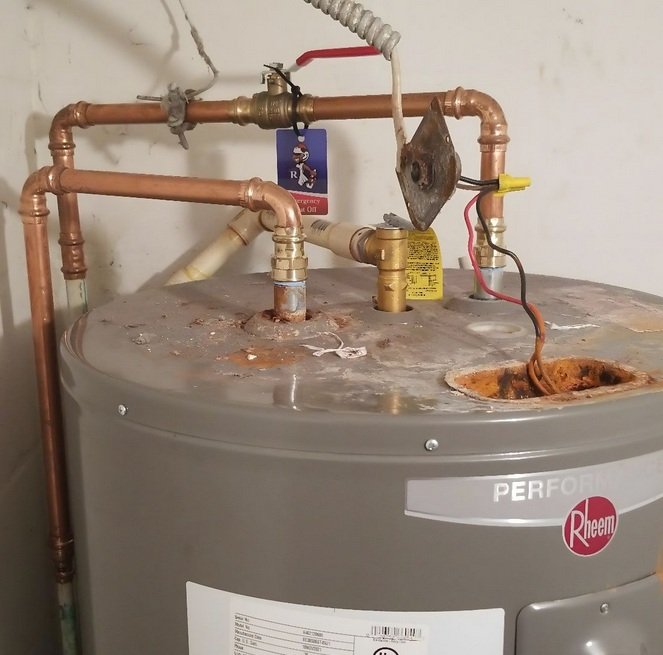
Faulty pressure relief valves represent a significant safety concern as well. These valves are designed to release excess pressure and prevent explosions; however, if they are malfunctioning or blocked, they cannot perform their vital function. In such cases, pressure levels can rise dangerously high, risking catastrophic failure of the system.
The impact of these pressure spikes is multifaceted. Not only do they compromise the longevity of the water heater, resulting in increased maintenance needs and the likelihood of costly repairs, but they also raise safety concerns. Regular monitoring and maintenance can mitigate these risks, ensuring that your water heater operates quietly and efficiently.
Preventing and Addressing Pressure Spikes in Water Heaters
To ensure the safe and efficient operation of your water heater, homeowners must prioritize preventive measures against pressure spikes. Regular maintenance of the water heater is essential. This includes checking the pressure relief valve, ensuring it is functioning correctly, and clearing any obstructions that might prevent it from doing its job effectively. Additionally, it is advisable to flush the tank periodically to remove sediment buildup, which can contribute to increased pressure levels.
Monitoring water pressure levels is another crucial aspect of managing your water heater. Homeowners should make a point of checking the water pressure using a gauge. A normal reading typically ranges between 40 and 60 psi. If levels consistently exceed this range, corrective action should be taken to avoid potential damage to the unit. Installing a pressure regulator can help maintain stable pressure levels in the plumbing system, providing an added layer of protection against spikes.
Temperature settings also play a vital role in preventing pressure spikes. The recommended temperature for a water heater is between 120°F and 140°F. Setting the temperature too high can lead not only to safety risks but also to excessive pressure build-up. Homeowners should familiarize themselves with the thermostat and adjust it as necessary, especially during periods of limited usage.
However, if a homeowner continues to experience pressure fluctuations or is uncertain about performing maintenance tasks, it is prudent to call a qualified professional. Experts can conduct thorough inspections and perform necessary repairs, ensuring that the water heater operates safely. By following these guidelines, homeowners can proactively prevent pressure spikes and, consequently, ensure the longevity and efficiency of their water heater systems.