Essential Winter Readiness Checks for Your Water Heater
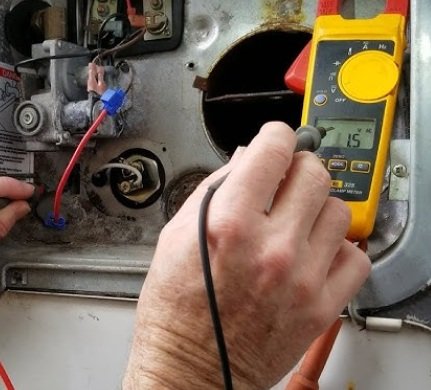
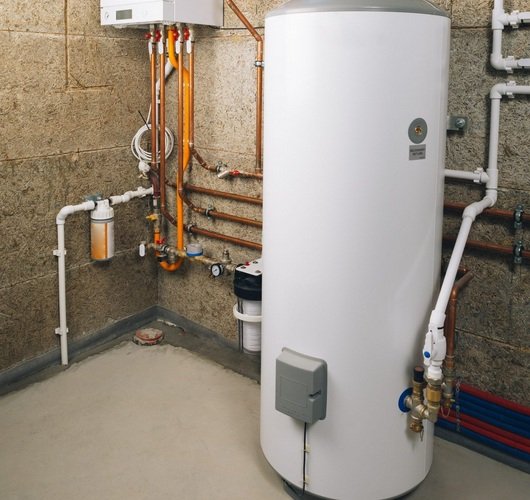
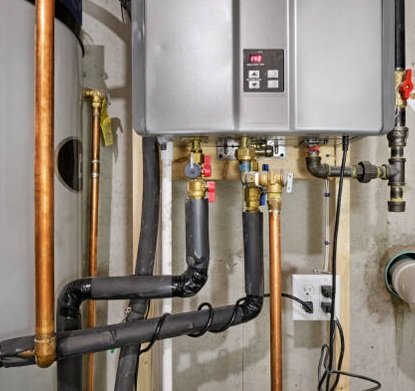
As winter approaches, ensuring that your water heater is adequately prepared for the colder months is essential for maintaining its efficiency and functionality. The drop in temperature can significantly impact the performance of your water heater, making it crucial to conduct winter readiness checks. A thorough inspection and maintenance routine can help prevent various problems that may arise due to the colder conditions.
One of the primary concerns during winter is the increased energy consumption that can lead to higher energy bills. When a water heater is not effectively preparing to handle the demands of colder weather, it often works overtime to maintain the desired water temperature. This inefficiency not only raises costs but can also lead to accelerated wear and tear on the unit.
Neglecting winter checks can also pose risks to the water heater itself. For instance, a buildup of sediment can cause overheating or even internal damage to the heater. Additionally, factors such as frozen pipes due to low temperatures can disrupt water flow and create a situation where hot water is unavailable, causing inconvenience and distress in daily routines.
On the other hand, proactive winter maintenance offers numerous benefits. Regular checks can enhance the longevity of your water heater, ensuring that it operates efficiently throughout the winter months. Moreover, by addressing minor issues before they develop into major problems, homeowners can save on both repair costs and the hassle of dealing with unexpected breakdowns.
In summary, undertaking winter readiness checks for your water heater is not just a recommendation; it is a necessary measure to ensure both comfort and efficiency during the cold season. By preparing your water heater properly, you can minimize risks associated with winter and enjoy a more reliable and cost-effective hot water supply.
Key Components to Inspect Before Winter
Before the frigid winter months arrive, it is crucial to inspect several key components of your water heater to ensure optimal performance and efficiency. Attention to these elements will not only enhance the lifespan of your system but also prevent costly repairs in the future.
Firstly, the temperature and pressure relief (TPR) valve must be checked. This safety mechanism allows the release of excess pressure and temperature, ensuring that the water heater does not overheat. To test it, lift the lever on the valve; water should flow freely from the discharge pipe. If no water is released, the valve may be faulty and should be replaced to avoid potential disasters.
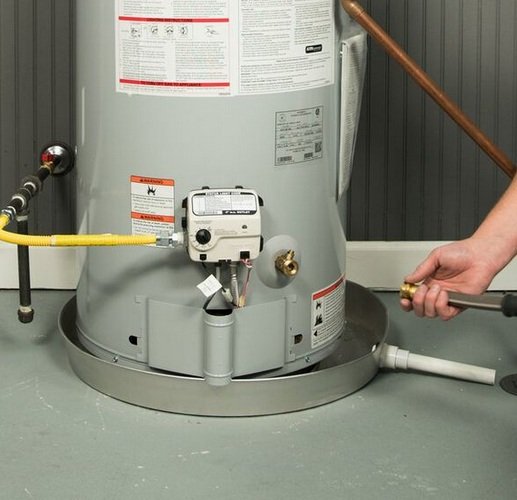
Next, it is essential to flush the tank at least once a year, removing sediment buildup that can affect performance. To do this safely, turn off the power supply (for electric heaters) or set the thermostat to the lowest setting (for gas heaters). Connect a garden hose to the drain valve located at the bottom of the tank, and direct the other end to a suitable drainage area. Open the valve to let the water flow until it runs clear, indicating that the tank is free of sediments.
Additionally, inspecting the anode rod is a necessary task. The anode rod is designed to prevent corrosion inside the tank. If it appears heavily corroded or less than half an inch in diameter, it may need replacement. This simple inspection can significantly extend the life of your water heater.
Finally, a thorough check for leaks and corrosion around the fittings, pipes, and connections is vital. Look for any signs of moisture or rust, as addressing these issues promptly can save you from more extensive repairs. Conducting these inspections will prepare your water heater for the colder months ahead, ensuring you have a reliable supply of hot water throughout winter.
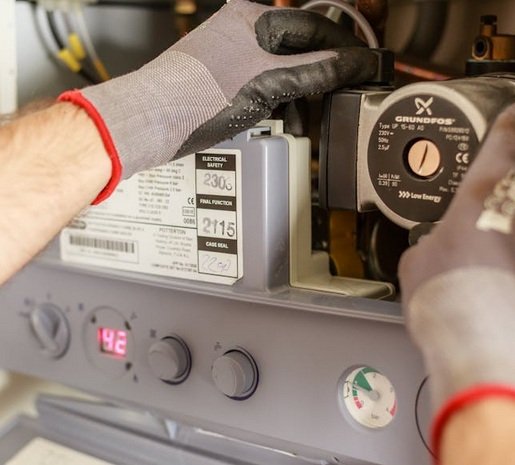
Tips for Maintaining Your Water Heater During Winter Months
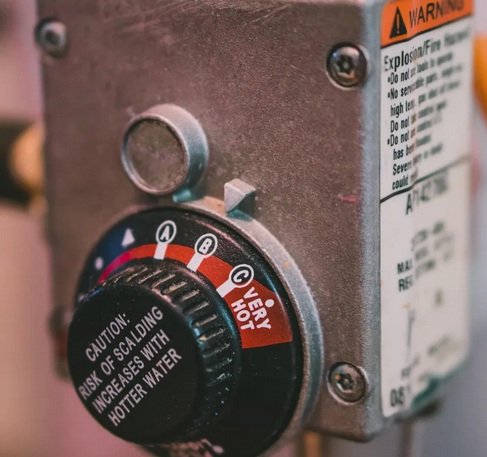
The winter months bring unique challenges to households, particularly regarding the efficiency and functionality of essential appliances such as water heaters. It is important to ensure your water heater is prepared to handle colder temperatures. One effective measure is to set the thermostat to an optimal temperature, typically between 120°F and 140°F. This setting not only ensures that hot water is readily available but also promotes energy efficiency, reducing unnecessary energy consumption during peak usage times.
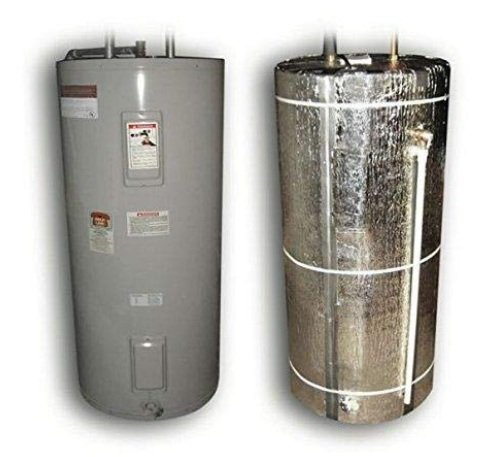
Another vital aspect of winter water heater maintenance is insulation. Insulating the water heater and the surrounding pipes can significantly reduce heat loss, thereby enhancing overall efficiency. Insulation blankets are available for water heaters, and they can help maintain the internal temperature. Additionally, pipe insulation can prevent freezing, which can lead to unnecessary damage and costly repairs. Make sure to cover any exposed pipes in unheated areas of your home to minimize risks during cold snaps.
It is essential to monitor the water heater’s performance during the winter months closely. Look out for any irregularities such as unusual noises, fluctuating water temperatures, or leaks. These signals can indicate underlying issues that may deteriorate further if not addressed promptly. Routine maintenance checks, such as flushing the tank to remove sediment buildup, can be beneficial in prolonging the life of your water heater.
If you encounter persistent issues or any signs of malfunction, seeking the advice of a professional may be necessary. Certified technicians can provide thorough inspections and might recommend repairs or replacements that can improve efficiency. Being proactive with these maintenance tips ensures your water heater remains reliable throughout the winter season, ensuring that you have a continuous supply of hot water for your needs.
When to Call a Professional for Help
It is crucial for homeowners to understand when to seek the assistance of a qualified technician regarding their water heater. Recognizing the signs that indicate professional help is needed can save significant time and money, as well as prevent further damage to the unit or the property.
One of the most obvious indicators that you should call for assistance is the presence of extensive leaks around the water heater. While minor leaks may be manageable, large or persistent leaks can lead to serious water damage and may indicate a failing unit. In such cases, it is essential to refrain from attempting to repair the issue independently, as this can exacerbate the problem.
Unusual noises emanating from the water heater are another sign that professional intervention may be necessary. Sounds such as popping, rumbling, or excessive hissing can suggest sediment buildup or issues within the heating elements. Ignoring these sounds can lead to operational inefficiencies or even catastrophic failures.
Additionally, older water heater units often require more maintenance and are prone to complex issues. If you have an aging appliance and notice a decrease in performance, increased energy bills, or unusual odors, these could be symptoms of deeper mechanical problems. A qualified technician can thoroughly assess the unit’s condition and recommend the best course of action, whether that be repair or replacement.
When selecting a reliable service provider, check for credentials, reviews, and customer recommendations. Ensure the technician is licensed and insured to perform heating equipment repairs. By being proactive about your water heater’s maintenance and understanding when to call for help, you can prolong the unit’s lifespan and maintain the safety of your home.