Protect Your Water Heaters from Freezing: A Comprehensive Guide
Water heaters are essential appliances in homes, providing hot water for various domestic needs. However, they are vulnerable to freezing, particularly in colder climates where temperatures dip significantly. When the water inside a heater freezes, it can lead to severe complications that may compromise the unit’s integrity. To comprehend the risks associated with freezing water heaters, it is crucial to understand how freezing occurs in this context.
Freezing typically occurs when the temperature of the water inside the heater drops below 32 degrees Fahrenheit (0 degrees Celsius). This situation often arises during extreme weather conditions, particularly in uninsulated areas of the home, such as basements, attics, or garages, where temperatures can plummet. As water molecules freeze, they expand, which can create immense internal pressure within the tank. This pressure may cause fractures or ruptures in the water heater, resulting in expensive repairs or even complete replacement of the unit.
Moreover, a frozen water heater can lead to water leaks when the ice thaws and pressure is released. The resulting leaks can cause significant water damage to the surrounding areas, leading to further repair costs and potential hazards. Beyond the physical damages, dealing with a frozen water heater can cause inconvenience and disruptions in everyday life, as access to hot water is curtailed until repairs are completed.
This scenario underscores the importance of implementing preventative measures to protect water heaters from freezing. Homeowners should consider insulating the heater and its surrounding pipes, maintaining adequate heating in the areas where the appliance is located, and regularly monitoring the temperature to avert potential issues. Neglecting these precautions can have severe consequences for both the water heater and the home itself.
Identifying Signs of a Freezing Water Heater
Recognizing the signs that your water heater may be at risk of freezing is crucial in preventing further damage and ensuring the continuous supply of hot water. One of the most common indicators is abnormal noises emanating from the unit. If your water heater begins to produce sounds that are unfamiliar, such as banging, gurgling, or popping, it may suggest ice formation within the tank or piping. As water freezes, it can expand, leading to pressure variations that result in these unsettling noises.
Another significant sign is a noticeable change in water temperature. If the hot water flow suddenly becomes lukewarm or cold, it may be an indication that the water heater is struggling due to low temperatures. In colder climates, a well-insulated water heater often struggles to maintain the desired temperature if the ambient conditions dip too low, leading to freezing risks. Regularly monitoring the temperature settings can help identify inconsistencies implying a potential freeze.
Additionally, variations in water pressure can serve as indicators that your water heater might be affected by freezing. If you experience sudden drops in water pressure, it may be due to frozen pipes that restrict flow. In some cases, you might also notice leaks or condensation around the unit, signaling that the freezing conditions are causing the tank to fail. A malfunctioning water heater due to freezing can manifest in various ways, making it essential to stay vigilant and attentive to these signs.
Being proactive and familiarizing yourself with these symptoms can help prevent the more severe consequences of a frozen water heater, ensuring your system remains functional throughout the colder months. Should you observe any of these indicators, it is prudent to take immediate action to mitigate potential damage and maintain optimal operation.
Preventive Measures to Protect Your Water Heater
In regions prone to freezing temperatures, protecting your water heater from the risk of freezing is essential. Employing effective preventive measures can significantly reduce the likelihood of complications arising from frozen pipes or water heaters. One of the most effective strategies is to properly insulate the water heater and its surrounding pipes. Insulation materials such as foam pipe insulation or fiberglass can be wrapped around the pipes to create a barrier against cold air, thereby maintaining the temperature of the water inside.
Additionally, maintaining a consistent temperature in the area where the water heater is located plays a critical role in preventing freezing. Homeowners should consider keeping the thermostat set to a minimum of 55°F, even when the premises are unoccupied. This approach ensures that the ambient temperature remains above freezing, helping to protect the water heater as well as the pipes attached to it.
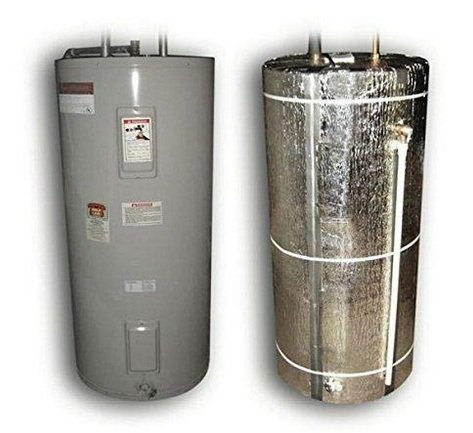
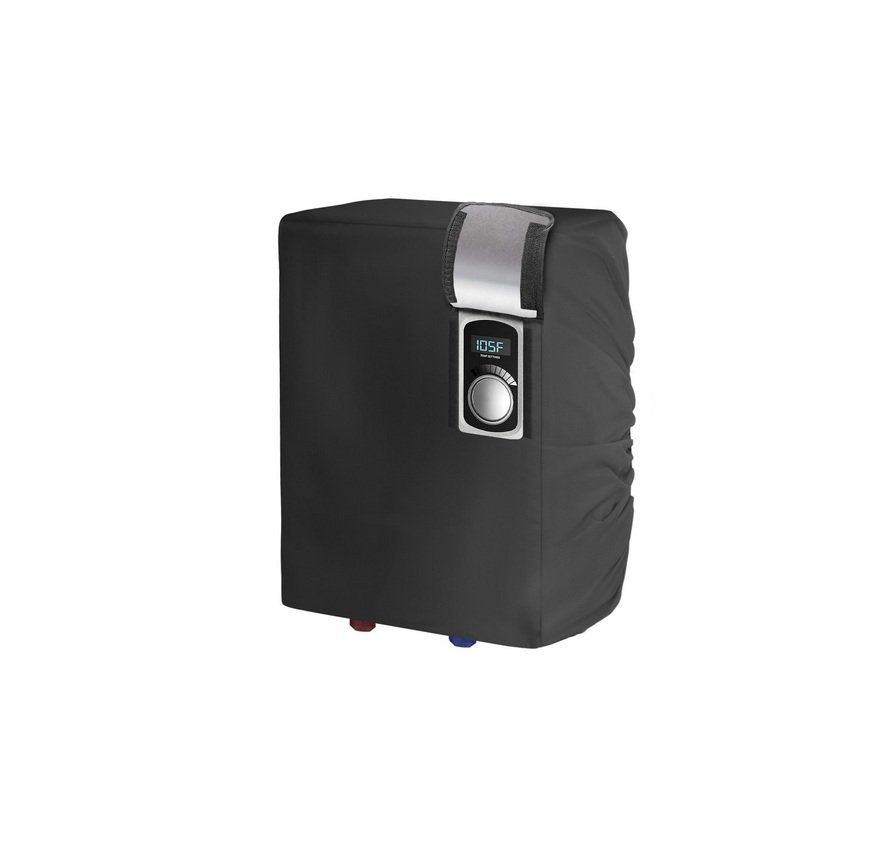
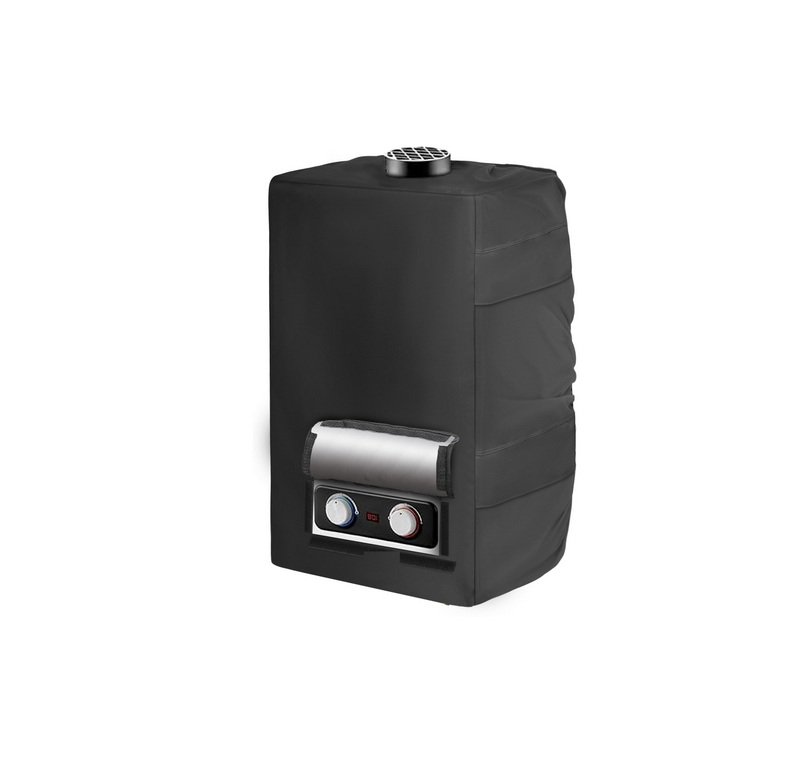
For those living in particularly cold climates, utilizing heat tape or heating cables on susceptible pipes can offer an extra layer of protection. Heat tape works by applying a constant source of heat to the pipes, preventing the water within from freezing. It is crucial to follow installation guidelines carefully to ensure safety and effectiveness. Furthermore, using insulating blankets specifically designed for water heaters will help retain heat within the tank while minimizing heat loss.
Finally, ensuring proper installation of water heaters and their surrounding plumbing is vital. This includes strategically placing water heaters in heated areas of the home and making certain that all connections are secure. Homeowners should consult with professionals if they are uncertain about the installation or insulation methods. Taking these preventive measures can help ensure that your water heater remains functional during the colder months, avoiding the challenges associated with freezing temperatures.
Emergency Steps if Your Water Heater Freezes
If you suspect that your water heater has frozen, it is crucial to act promptly to prevent further damage and restore functionality. First, turn off the power supply to the water heater immediately to avoid the risk of electrical hazards or damage. This can usually be accomplished by switching off the circuit breaker that powers the unit.
After ensuring that the power is turned off, check the water heater for obvious signs of freezing or damage. Look for areas that are cold to the touch, particularly pipes and connections. Feel around for any leaks or cracks, as expanding ice can create significant damage to your water heater and plumbing system. If any leaks are found, it is essential to contain them as soon as possible to reduce water damage risks.
Next, begin the thawing process. It is advisable to start with a hairdryer or heat gun set to low, taking care not to hold it too close to any plastic components. Avoid using open flames, as this could lead to severe damage or pose a fire hazard. If the unit begins to thaw but does not show signs of restoring functionality, you may need to carefully use hot towels or heat wraps around the affected pipes, gradually raising the temperature.
Once the unit has thawed, turn the power back on and monitor the system closely to detect any unusual noises or leaks that may indicate further issues. If you notice any concerning signs or if the water heater fails to operate correctly, it is highly recommended to call a professional plumber. Their expertise can ensure that any underlying problems are effectively addressed. Acting quickly during this process is key to minimizing damage and enhancing the chances of a swift recovery for your water heater.