Insulating Water Heater Tanks in Cold Basements: A Comprehensive Guide
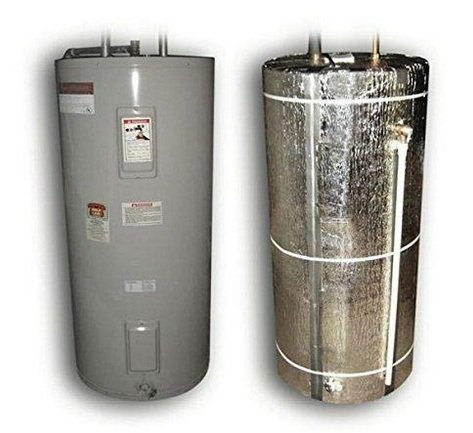
Insulating water heater tanks is a critical consideration, especially in cold basement environments where temperatures can drop significantly. When exposed to colder conditions, a water heater must work harder to maintain the desired temperature of the stored water. This increased workload not only leads to higher energy usage but can also contribute to a shorter lifespan of the water heater itself.
The primary function of insulation is to reduce heat loss from the water tank. Insulation acts as a barrier that minimizes the temperature transfer between the hot water inside the tank and the cooler air surrounding it. By effectively maintaining water temperature, insulation reduces the frequency at which the heater must cycle on and off. This cycling not only consumes additional energy but can also lead to wear and tear on the unit, potentially necessitating premature replacements.
Additionally, insulating a water heater can lead to significant savings on energy bills. Many homeowners may be surprised to learn that heat loss from an uninsulated tank can account for a considerable amount of wasted energy. By investing in proper insulation, it is possible to see a reduction in energy costs, reflecting an increase in overall energy efficiency at home. Furthermore, this energy efficiency translates into a more environmentally-friendly household, as decreased energy consumption corresponds to a smaller carbon footprint.
In conclusion, the insulation of water heater tanks in cold basements is essential for maintaining optimal water temperatures, reducing energy bills, and prolonging the lifespan of the equipment. By recognizing the benefits of insulation, homeowners can make informed decisions regarding their maintenance routines and foster a more energy-efficient living environment.
Steps to Insulate Your Water Heater Tank
Insulating your water heater tank is crucial for improving energy efficiency, especially in colder climates. The first step is to gather the necessary tools and materials. These typically include an insulation blanket specifically designed for water heaters, utility knife, tape measure, scissors, duct tape, and possibly a safety mask and gloves for protection during handling.
Before starting the installation process, assess the current insulation situation. Inspect the water heater and check for existing insulation. If you notice any damage, it is advisable to remove it before applying new insulation material. This will ensure a proper fit and enhance insulation effectiveness. Additionally, ensure that the area around the water heater is clean and free from obstructions to facilitate easy installation.
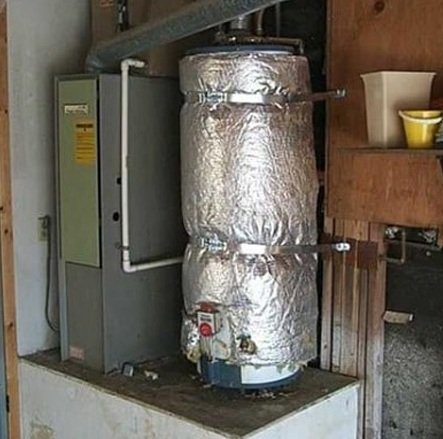
Once prepared, begin applying the insulation. Measure the diameter and height of the water heater tank and cut the insulation blanket accordingly, allowing for overlaps. Wrap the blanket around the tank, ensuring that it covers all sides, and secure it in place with duct tape. Pay attention to key areas such as the top of the tank, as heat loss can occur there. If the tank features valves or pipes protruding, cut slits in the insulation so that these components are accessible yet still insulated.
Safety precautions should be prioritized throughout the process. Refrain from covering the thermostat, pressure relief valve, or any venting components to prevent functionality issues. It is also essential to avoid overly compressing the insulation, as this may reduce its effectiveness. Common mistakes include insufficient insulation coverage and neglecting to secure the blanket properly. By following these steps and taking appropriate precautions, you can successfully insulate your water heater tank, contributing to lower energy costs and improved performance.
Choosing the Right Insulation Material
When selecting insulation materials for water heater tanks located in cold basements, it is essential to consider various factors, including thermal efficiency and installation ease. Three common insulation types are fiberglass, foam, and reflective insulation, each with its unique advantages and disadvantages.
Fiberglass insulation is a popular choice due to its affordability and widespread availability. It typically has an R-value ranging from 2.9 to 4.3 per inch, indicating decent thermal resistance. Installation is relatively straightforward; however, it can be cumbersome as fiberglass needs to be cut and shaped correctly to fit around the tank. Additionally, it can be less effective in moist environments as it is susceptible to moisture absorption, potentially degrading its insulating properties over time.
Foam insulation, particularly spray foam, offers superior R-values ranging from 3.5 to 6.5 per inch, depending on the type used. This type of insulation provides excellent air sealing, which helps maintain the temperature of the water heater more effectively. While installation may be more complex and often requires professional assistance, its moisture resistance makes it suitable for basements that experience humidity. However, it tends to carry a higher price point than fiberglass.
Reflective insulation is another viable option, especially in environments where radiant heat loss is a concern. This insulation typically consists of a reflective barrier that reflects heat, thus enhancing the overall energy efficiency of the water heater. It is lightweight and easy to install, making it a good choice for homeowners looking for a quick solution. The R-value varies widely and is generally lower than that of fiberglass and foam, so its effectiveness depends largely on the specific installation conditions.
Before making a decision, consider the R-values, ease of installation, costs, and environmental conditions of your basement. Each type of insulation has its strengths and weaknesses, and understanding these distinctions will aid you in selecting the most appropriate material for insulating your water heater tank effectively.
Maintenance Tips for Insulated Water Heaters
Maintaining your insulated water heater tank is crucial for ensuring its efficiency and longevity. Regular maintenance checks can help identify issues early and maintain optimal performance. Start by inspecting the insulation for any signs of wear or damage. Look for tears, gaps, or dampness, which can indicate that the insulating material is no longer effective. If you notice any of these issues, consider replacing the insulation to maintain energy efficiency.
Next, monitor the temperature and performance of your water heater regularly. A well-insulated water heater should operate efficiently, and you should check the thermostat settings to ensure they are set at the recommended temperatures, generally around 120°F (49°C) for optimal performance. Be aware of any changes in water temperature or fluctuations in performance, as these can signal underlying problems that may need to be addressed.
An important aspect of maintenance is periodically flushing the water heater tank. Sediment can build up over time, especially in colder regions where water may contain minerals that settle at the bottom of the tank. Flushing the tank once a year can help enhance the efficiency of the water heater, ensuring it heats water more effectively.Additionally, if your water heater is making unusual noises, such as popping or rumbling, this may indicate the presence of sediment build-up or other issues within the tank that warrant further investigation. In such cases, it is advised to contact a professional service expert who can assess and resolve the situation appropriately.
Overall, consistent upkeep of your insulated water heater tank is essential. Implementing these maintenance tips will not only enhance the operational efficiency but also prolong the lifespan of your equipment, facilitating lower energy costs in the long run.