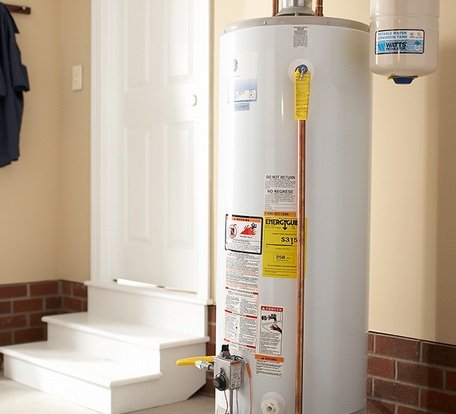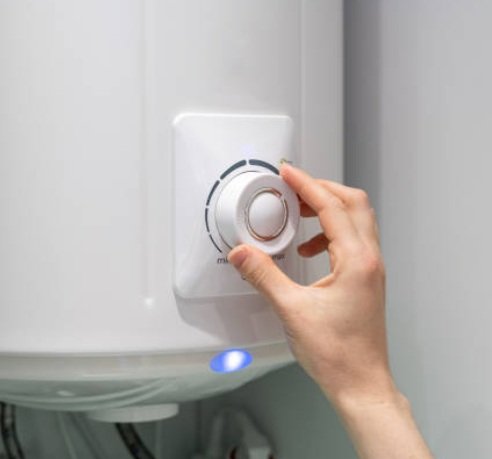
Understanding and Installing Water Heater Expansion Tanks
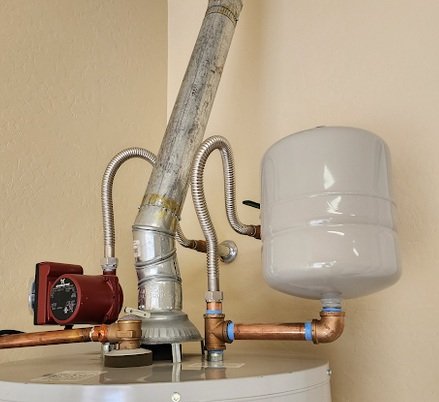
A water heater expansion tank is a crucial component of a plumbing system designed to absorb excess pressure caused by thermal expansion of water within the system. As water heats up, it expands, which can lead to increased pressure levels in both the water heater and the plumbing lines. This expansion can potentially cause pipe bursts, leaks, and damage to valves and fixtures. Therefore, the expansion tank serves to mitigate these risks by providing a controlled space for the excess water to flow.
Essentially, a water heater expansion tank consists of a small, cylindrical container that is connected to the water heating system. Inside the tank, there is a flexible diaphragm that separates the water from a cushion of air. When water heats and expands, the diaphragm moves, allowing excess water to enter the tank. This action helps maintain a stable pressure in the plumbing system. When water cools and contracts, the diaphragm returns to its original position, allowing water to flow back into the main system as needed.
The significance of accommodating thermal expansion in water systems cannot be overstated. Without an expansion tank, the uncontrolled pressure buildup can lead to leaks, ruptures, and failure of plumbing components. Moreover, many local plumbing codes now require the installation of expansion tanks on closed water heating systems, especially where a backflow prevention device is present. Thus, including a water heater expansion tank in the plumbing system is not merely a recommendation but often a necessity for maintaining system integrity and extending the lifespan of water heaters and associated plumbing fixtures.
When Are Water Heater Expansion Tanks Required?
Water heater expansion tanks are essential components installed to manage the increased pressure in residential plumbing systems resulting from the heating of water. It is crucial to understand the specific scenarios in which these tanks become necessary, as their installation can safeguard both your heating system and plumbing fixtures.
One primary reason for the requirement of water heater expansion tanks is dictated by local building codes. Many municipalities have regulations in place that mandate the use of expansion tanks in closed plumbing systems. Closed systems occur when a backflow prevention device is installed, preventing water from flowing back into the public supply. This situation can cause pressure to build up in the system, potentially leading to damage or failure of plumbing components. Compliance with local building codes ensures safety and reliability in water systems.
Furthermore, the type of water heating system employed in a residence plays a significant role in determining if an expansion tank is necessary. Traditional tank-style heaters, especially those used in conjunction with closed plumbing systems, are more susceptible to pressure fluctuations than tankless systems. In a standard tank, the water expands as it heats, leading to dangerously high pressure levels. An expansion tank absorbs this excess pressure, thereby alleviating strain on the water heater and associated plumbing.
Another scenario necessitating the installation of expansion tanks is when incoming water pressure exceeds safe limits. In homes where the water supply is unusually pressurized, or in those using well systems, an expansion tank can be invaluable in maintaining system integrity. These tanks protect against thermal expansion risks and reduce the need for repairs by extending the longevity of the entire system.
Overall, the installation of water heater expansion tanks enhances system safety and reliability, preventing common plumbing issues and contributing favorably to the operational lifespan of water heating systems.
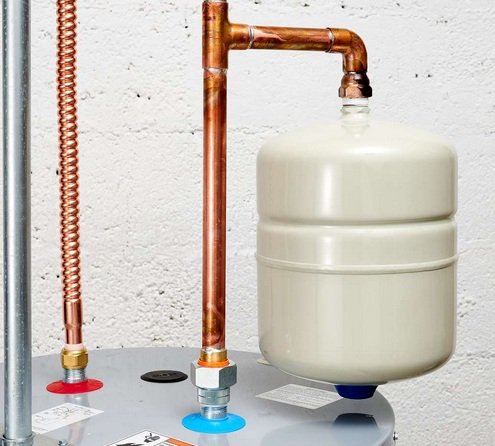
How to Properly Install a Water Heater Expansion Tank
Installing a water heater expansion tank is an essential task that ensures the stability of your plumbing system by absorbing excess pressure. To achieve a successful installation, there are several steps to follow. First, ensure that you have the necessary tools, which typically include an adjustable wrench, pipe wrenches, Teflon tape, and a pipe cutter.
Before beginning the installation process, conduct a pre-installation check of the system. Identify the location of your water heater and determine the best placement for the expansion tank, which is usually installed on the cold water line. Make sure to verify that the existing plumbing can support the installation and that there is adequate space around the tank for maintenance access.
Once the site preparation is complete, turn off the cold water supply to the water heater and drain the system by opening a hot water faucet to allow air in. This step helps to relieve any residual pressure within the pipes. Next, cut the cold water supply line where the expansion tank will be placed, and ensure that you clean and deburr the cut ends to avoid any contamination.
With the pipes prepared, attach the expansion tank to the cold water line using Teflon tape. This tape creates a seal that helps prevent leaks, ensuring the efficacy of the water heater expansion tank. Securely tighten the fittings with an adjustable wrench, being careful not to damage any of the components.
After the installation is completed, slowly turn the cold water supply back on and check for any leaks around the fittings. Once confirmed, restore the power or heat supply to the water heater. It’s advisable to monitor the expansion tank for proper operation by checking its air pressure within a few days after installation. Following these guidelines will help ensure that your expansion tank is installed safely and functions effectively, thus protecting your plumbing system from excessive pressure fluctuations.
Maintenance and Troubleshooting of Expansion Tanks
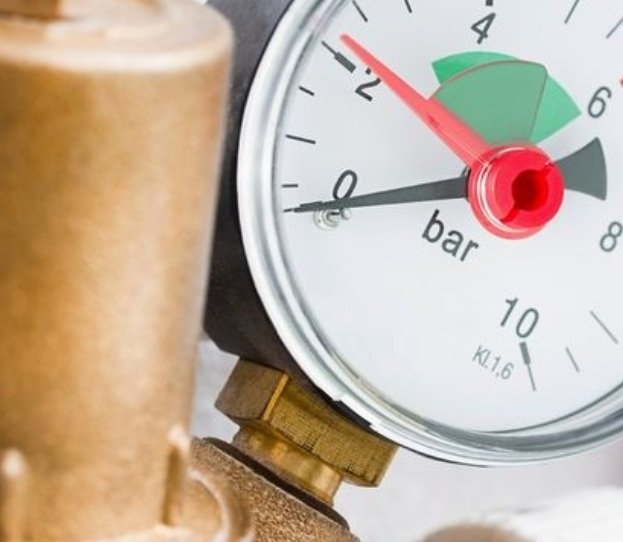
To ensure the longevity and efficiency of a water heater expansion tank, regular maintenance is crucial. Homeowners should routinely inspect the tank for signs of wear or damage, as this can prevent more significant issues down the line. One of the primary aspects of maintenance is checking the tank’s pressure. This can be done using a pressure gauge, which should ideally read between 40 and 60 psi. If the pressure is too high or too low, it may indicate problems within the plumbing system or the water heater itself.
Another vital maintenance task is to visually inspect the expansion tank for leaks. Look for water pooling around the base of the tank, or signs of rust or corrosion on its surface. If any leaks are detected, immediate action should be taken to address the problem. Minor leaks may sometimes be fixed with a tightening of the connections; however, significant leaks typically indicate that the expansion tank needs replacement.
Homeowners should also be aware of any fluctuations in their home’s water pressure. A loss of pressure might signal an issue with the expansion tank or the plumbing system. If water is regularly dripping from faucets or the toilet tank, it might be an indication that the expansion tank is malfunctioning.
When it comes to maintaining the expansion tank, flushing it can help remove sediment build-up, allowing for proper operation. Additionally, ensure that the air cushion within the tank is maintained; this can be checked and adjusted through the air valve located on the top of the tank.
Finally, if homeowners notice persistent issues or feel uncertain about performing maintenance, it is advisable to consult a professional plumber. They can provide diagnostic services and recommend repairs or replacements based on their findings. Appropriate maintenance and timely troubleshooting are key to ensuring that a water heater expansion tank operates efficiently, extending its lifespan and safeguarding the plumbing system.