Checking pH Levels to Prevent Corrosion in Water Heaters
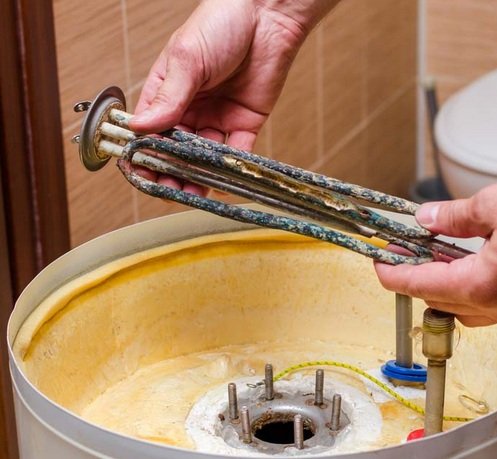
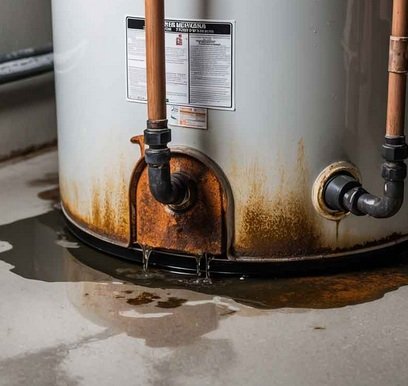
Water heater corrosion refers to the deterioration of various components within a water heating system, which can lead to decreased efficiency and eventual failure. This process occurs due to a chemical reaction between the water and the materials used in the water heater, primarily metals. Corrosion can be influenced by several factors, including water quality, temperature, and mineral content. Each of these factors can accelerate the corrosion process, affecting the lifespan of the water heater.
One of the main types of corrosion found in water heaters is electrochemical corrosion, which occurs when different metals are in contact with one another, combined with the presence of an electrolyte, such as water. The electrochemical reactions can lead to the formation of rust or other corrosive substances. For instance, steel water heaters are particularly susceptible to rust if they are exposed to certain types of water, especially those with high levels of chloride or sulfates.
The temperature of the water also plays a critical role in the corrosion process. Higher temperatures can accelerate corrosion rates, particularly in the case of copper and galvanized metal. Furthermore, the mineral content of the water, including hardness levels, can contribute to sediment buildup within the tank. This buildup can create an environment conducive to corrosion as it often leads to hot spots, where localized overheating can further damage the tank.
Monitoring corrosion is essential for maintaining the operational efficiency and longevity of water heating systems. Routine checks of the water’s pH level, along with sediment removal, can help mitigate the effects of corrosion. Preventive measures, such as the installation of sacrificial anodes that attract corrosive elements, can also extend the life of water heaters. Given the potential impact of corrosion on both performance and safety, understanding its causes and effects is imperative for homeowners and professionals alike.
The Importance of pH Levels in Water Quality
Maintaining the appropriate pH levels in water is crucial for ensuring optimal water quality and safeguarding plumbing systems. pH measures the acidity or alkalinity of water on a scale of 0 to 14, with values below 7 indicating acidic conditions and values above 7 indicating alkalinity. For water heaters and most plumbing systems, a pH range of approximately 6.5 to 8.5 is considered ideal. This specific range helps in minimizing the corrosion of plumbing materials, which can significantly extend the lifespan of water heaters and pipes.
When water is overly acidic, it tends to corrode metals like copper, iron, and steel at a faster rate. This accelerated corrosion can lead to rust and deposits building up within the plumbing system, ultimately resulting in leaks, blockages, and costly repairs. Conversely, highly alkaline water can also pose risks, as it can lead to scale formation in pipes and heat exchangers, reducing the efficiency of the water heater. It is crucial to strike a balance within the recommended pH range to maintain the integrity of water quality.
In addition to the physical implications, the pH levels in water can also affect its taste and odor, impacting its overall usability. Furthermore, improper pH levels may promote the leaching of harmful substances from plumbing materials into the water supply, posing health risks to consumers. Therefore, monitoring and adjusting pH levels not only safeguards the plumbing system but also ensures access to clean and safe drinking water.
Testing and Measuring pH Levels in Water Heaters
Measuring the pH level of water in a water heater is crucial for maintaining its functionality and preventing corrosion. Regular testing helps homeowners monitor water quality and avoid potential issues. The most common methods for testing pH levels include using digital pH meters, pH test strips, and titration kits.
Digital pH meters are widely regarded as one of the most accurate tools for pH measurement. These devices provide a quick reading and often feature calibration options to ensure precision. When using a digital pH meter, it is essential to follow the manufacturer’s instructions for calibration and use, including regular maintenance to ensure longevity and accuracy.
Alternatively, pH test strips offer a more simplified approach. These strips are coated with a chemical indicator that changes color based on the acidity or alkalinity of the water. Homeowners can dip the strip into the water and compare the resulting color to the provided scale. While less accurate than digital meters, test strips are an affordable and convenient option for quick assessments.
Titration kits are another effective method, especially for those looking for a more chemical approach to water testing. These kits typically involve adding a reagent to a water sample until a color change occurs, indicating the pH level. Though this process can be more complex, it provides detailed insights into water chemistry.
It is advisable to test pH levels regularly, at least every three months, or more frequently if heavy use is expected or water conditions seem to vary significantly. Monitoring pH levels allows homeowners to make informed decisions about treatment methods if necessary, ensuring the longevity of their water heater and the safety of their water supply.
Preventive Measures and Solutions to Manage Corrosion
Corrosion in water heaters is a significant issue that can lead to costly repairs and replacements. To prevent this, one of the primary actions homeowners can undertake is to regularly check the pH levels of their water. Maintaining pH levels within an optimal range (ideally between 6.5 and 8.5) is crucial, as low pH levels can cause acidic conditions that accelerate corrosion. If these levels fall outside the recommended range, immediate action should be taken to address the imbalance.
One effective method to manage water chemistry is the installation of water softening systems. Hard water contains a high concentration of minerals which can contribute to corrosion and scale buildup. By softening the water, the harmful effects can be mitigated, thereby prolonging the lifespan of the water heater and reducing maintenance needs.
Additionally, the use of anode rods can provide an extra layer of protection against corrosion. These sacrificial rods, usually made from magnesium or aluminum, corrode over time instead of the metal tank itself. Regular inspection and replacement of these rods can ensure that they are functioning effectively, providing a crucial barrier against rust and corrosion.
Routine maintenance is also essential. Homeowners should consider flushing their water heater annually to remove sediment and mineral buildup, which can contribute to corrosion and reduce efficiency. This procedure helps to maintain optimal conditions for the heater, reducing the chances of corrosion.
Finally, if corrosion is suspected, or if the water chemistry falls consistently outside the safe range, it may be prudent to consult a professional. Experts can provide a detailed assessment and recommend solutions tailored to specific water quality issues, thus ensuring that the water heater remains in good working order.