How to Avoid Water Heater Corrosive Water Conditions
Corrosive water is water that can deteriorate plumbing systems, appliances, and other infrastructure due to its chemical properties. It is characterized by its tendency to dissolve metals and other materials, leading to potential damage in water heaters and pipelines. The formation of corrosive water conditions primarily results from several interrelated factors including pH levels, mineral content, and temperature.
The pH level of water is a critical factor in determining its corrosiveness. Water with a pH value below 7 is considered acidic and can initiate corrosion by reacting with metals typically found in plumbing systems. In contrast, water with a pH higher than 8.5 may exhibit a tendency to cause scaling, which can also lead to issues within water heaters. Ideal pH levels typically range between 7 and 8.5; however, many municipal water sources may fluctuate beyond this range.
Mineral content further influences corrosive water conditions. Water that is classified as soft lacks significant mineral content and is more prone to corrosion as it seeks to equilibrate by leaching minerals from pipes and tanks. On the other hand, hard water contains higher levels of minerals such as calcium and magnesium. While hard water is less corrosive, it can lead to scaling that may degrade the efficiency of water heaters if not managed properly.
Temperature is also a contributing factor to the corrosion process. Elevated water temperatures can increase the rate of metal ion dissolution, making corrosive reactions more apparent. Signs that a water heater may be affected by corrosive water conditions include leaking, a decrease in heater efficiency, or unusual metallic tastes or odors in the household water supply. Awareness of these indicators is essential for maintaining water heater systems and mitigating potential damage caused by corrosive water.
Impact of Corrosive Water on Water Heaters
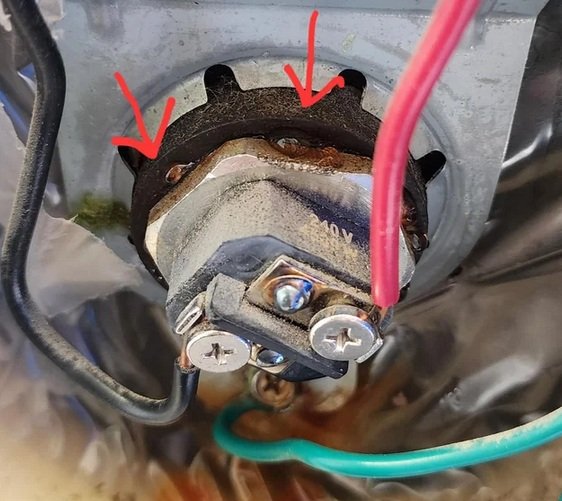
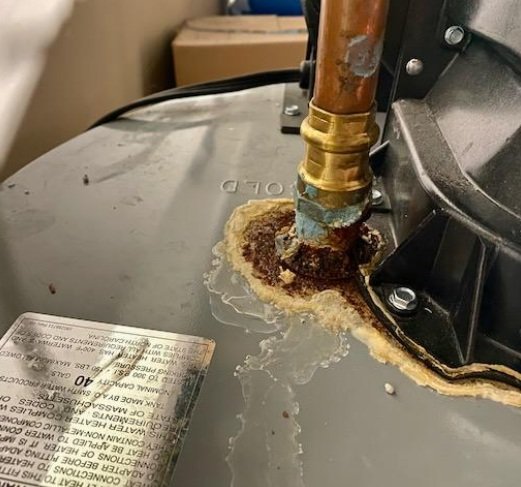
Corrosive water conditions can have significant effects on water heaters, primarily through the damage inflicted on the tank and its components. Typically, corrosive water can be identified by its low pH levels or excess chloride content, which leads to the degradation of tank materials. The internal surfaces of water heaters, especially those made of steel, are highly susceptible to corrosion when exposed to such water. Over time, this can result in severe weakening of the tank, ultimately leading to leaks or catastrophic failure.
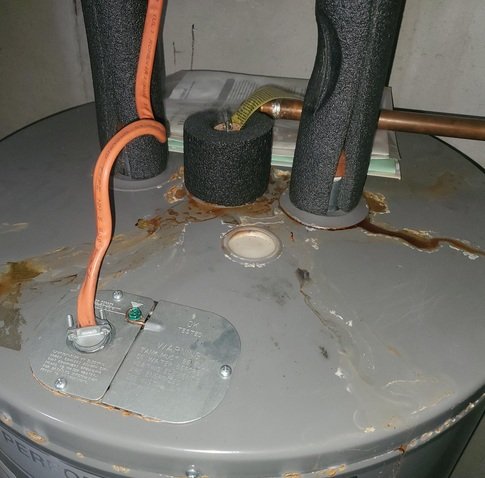
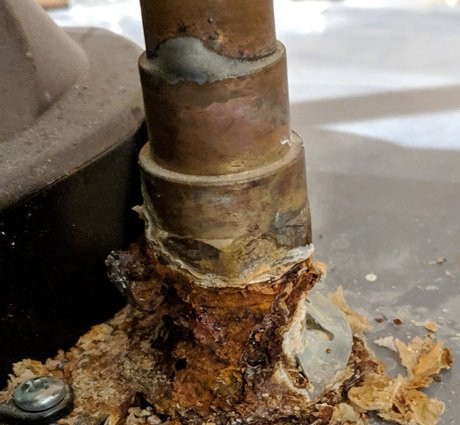
One of the most prevalent issues arising from corrosive water is the formation of rust. This occurs when the protective layer on the tank’s interior is compromised, exposing bare metal to corrosive elements present in the water supply. Rust not only diminishes the structural integrity of the tank but also contaminates the hot water supply, potentially causing health risks for users. Additionally, the presence of rust can lead to the accumulation of sediment, which further impairs the heating efficiency of the water heater.
The overall reduction in the lifespan and efficiency of water heaters is another critical concern. When water heaters are subjected to corrosive conditions, they often have to work harder to heat water, leading to increased energy consumption. This inefficiency can result in higher utility bills and necessitating more frequent repairs or replacements. In some cases, prolonged exposure to corrosive water could even create safety hazards. For instance, a failing tank may lead to water leaks that could cause damage to surrounding areas or even lead to electrical hazards in electric-powered units.
Preventative Measures Against Corrosive Water
To prevent corrosive water conditions that can lead to the deterioration of your water heater, it is essential to adopt several preventative strategies. The first step is water testing. Regularly analyzing the water supply for pH levels, mineral content, and the presence of harmful contaminants can provide insights into its corrosive potential. Homeowners should consider testing their water at least once a year or more frequently if persistent issues arise.
Another effective measure is the installation of water softeners. Hard water contains high levels of minerals like calcium and magnesium, which can contribute to corrosion in your water heater over time. By softening the water supply, these systems remove the offending minerals, thereby reducing the risk of damage to your heater’s interior.
Utilizing pH balancing systems can also be beneficial. Water with a low pH, or high acidity, can aggressively corrode metal pipes and components within the water heater. Implementing a pH balancing system can neutralize acidity, providing a safer environment for your plumbing system.
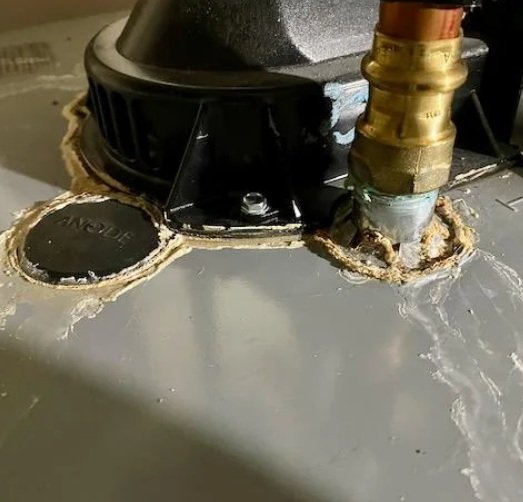
Furthermore, incorporating anode rods into your water heater is a vital preventative measure. These rods are designed to absorb corrosive elements, ultimately sacrificing themselves to protect the tank. Regularly inspecting and replacing anode rods, typically every three to five years, can significantly enhance the longevity of your water heater.
In addition to these systems, it’s imperative to establish a routine maintenance schedule. Flushing the water heater annually removes sediment buildup, which can exacerbate corrosion. Monitoring water temperature settings and ensuring they are maintained at safe levels can further reduce wear on the heater. By implementing these preventative actions, homeowners can protect their water heaters from corrosive water conditions and prolong their operational lifespan.
When to Seek Professional Help
Water heaters play a crucial role in maintaining comfort in our homes, providing hot water for various needs. However, certain signs and conditions can indicate the necessity to consult a plumbing professional regarding your water heater and its corrosive water conditions. Recognizing these signs promptly can help prevent more severe issues and ensure your water heater operates efficiently.
One major sign to look for is the presence of strange odors emanating from the hot water. If you notice a sulfurous or rotten egg smell, this could indicate a bacterial issue within the tank, often related to corrosive water conditions. Another warning sign is a noticeable change in water color, such as a rusty appearance, which can suggest the presence of corrosion inside the water heater unit. Additionally, if your water heater begins to make unusual noises, such as popping or rumbling sounds, it may be struggling due to sediment build-up or corrosion, warranting professional inspection.
When seeking assistance, it is vital to ask specific questions to ensure that the technician you select is qualified to address the unique needs of your water heater. Inquire about their experience with managing corrosive water issues, the techniques they recommend for treatment, and their knowledge regarding the local water quality conditions. Furthermore, ensure to check their licensing and customer reviews to ascertain their reliability and expertise.
Ultimately, choosing a qualified technician is critical for addressing corrosive water issues effectively. A skilled professional can provide tailored solutions to mitigate any problems, extend the lifespan of your water heater, and maintain an optimal water quality in your home. Taking proactive measures by seeking help when necessary can save time, money, and potentially hazardous situations.