The Importance of Frequently Replacing Water Heater Anode Rods in the GTA
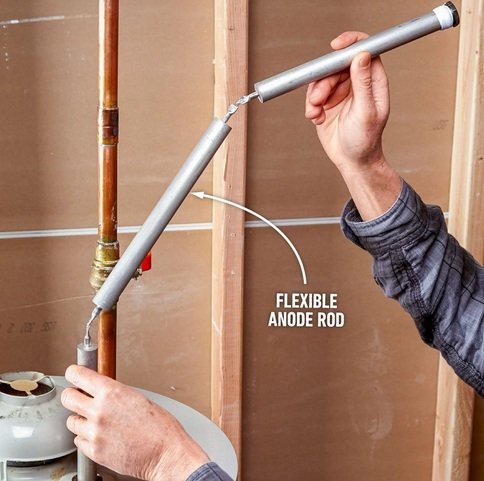
Water heater anode rods are essential components designed to extend the lifespan of water heaters by protecting the inner tank from corrosion. They function through a process known as cathodic protection, which involves a sacrificial metal that corrodes over time in place of the tank itself. Typically made from materials such as magnesium or aluminum, anode rods serve as a barrier, attracting corrosive elements in the water, thereby minimizing the degradation of the metal tank.
The primary purpose of an anode rod is to act as a sacrificial element; it is intentionally less noble than the metals used in the water heater’s tank. As a result, any corrosive elements present in the water will preferentially corrode the anode rod rather than the tank. This process helps ensure that the water heater remains functional for a significant duration. Magnesium anode rods tend to offer superior protection because they provide better cathodic protection and can raise the pH level of the water, mitigating corrosive properties. Aluminum rods are often considered more economical; however, they can sometimes lead to the accumulation of sediment.
It is crucial to monitor the condition of these rods regularly, as neglecting their replacement can lead to severe consequences for the water heater. When anode rods become depleted, the tank is left vulnerable, increasing the risk of rust and leaks. Over time, this can result in expensive repairs or, in some cases, the complete replacement of the water heater. To prevent such scenarios, homeowners should be proactive in inspecting and replacing anode rods every few years, ensuring the longevity and efficiency of their water heating system.
Signs That Your Anode Rod Needs Replacement
Homeowners should regularly monitor their water heating systems, specifically the anode rods, to ensure optimal performance and longevity. Anode rods serve a crucial role in preventing corrosion within the water heater tank; thus, their condition directly affects water quality and heater efficiency. Recognizing signs that indicate a need for replacement is essential.
One significant indicator is the presence of an unusual smell emanating from the hot water. This unpleasant odor often suggests that the anode rod may be corroding or depleted, leading to bacteria growth within the tank. Additionally, if homeowners notice any sediment or rust-colored particles in their hot water supply, it may be a sign that the anode rod is no longer effective, allowing corrosion to take hold.
Changes in water quality, such as a metallic taste or discolored water, can also signal problems with the anode rod. These changes are not only deleterious but can significantly impact the overall safety and enjoyment of using tap water for daily activities. Therefore, it is important to address these concerns promptly.
Another sign indicating the anode rod needs replacement is the decreasing efficiency of the water heater. If it takes longer than usual for water to heat up or if there are inconsistent temperatures, it may be due to a failing anode rod. Regular inspections are crucial in preventing more significant issues; homeowners should consider checking the anode rod at least once every few years, or more frequently in areas with corrosive water conditions.
Finally, visible signs of corrosion on the anode rod itself are clear indicators that it needs urgent replacement. Corroded rods often manifest as a crumbled or broken appearance, thus confirming that they no longer serve their intended purpose of protecting the water heater from degradation.
How Often Should You Replace Anode Rods in the GTA?
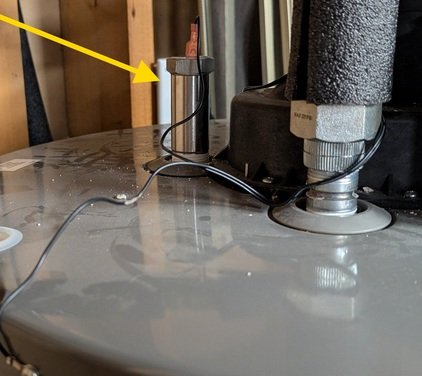
In the Greater Toronto Area (GTA), the frequency of replacing water heater anode rods can vary significantly based on several factors, including water hardness, the general quality of local water, and the typical lifespan of the rods themselves. Anode rods are crucial for prolonging the life of your water heater by preventing corrosion. However, they do have a limited lifespan and require regular checks and replacements.
Typically, it is advisable to inspect anode rods every two to three years, particularly in areas with hard water. Hard water contains a higher concentration of minerals, which can lead to more rapid degradation of anode rods. In the GTA, where the water hardness level can fluctuate, many homeowners may find that they need to replace their anode rods more frequently than the standard recommendations. In some instances, replacing the anode rod every one to two years might be necessary to ensure optimal protection against corrosion.
Another common misconception is that an anode rod lasts for the entire lifespan of the water heater. While it is true that some anode rods, particularly those made of magnesium or aluminum, can last for several years, they will eventually corrode and cease to function effectively. Regular inspections can help homeowners identify when their anode rods are nearing the end of their life cycle. It is also important to note that the type of anode rod used can influence its durability; for instance, some homeowners may choose a zinc anode rod, which tends to have a shorter lifespan than its magnesium counterpart.
In conclusion, homeowners in the GTA should inspect and potentially replace their anode rods every two to three years, or even sooner if they have hard water. This proactive maintenance ensures the longevity of their water heating systems and helps mitigate costly repairs down the road.
Hiring a Professional vs. DIY Replacement: What You Need to Know
When it comes to replacing water heater anode rods in the Greater Toronto Area (GTA), homeowners often face the decision of whether to hire a professional plumber or undertake the task as a do-it-yourself (DIY) project. Both options have their advantages and disadvantages, and understanding these can help you make an informed choice.
Hiring a professional for anode rod replacement ensures that the task is completed correctly and efficiently. Professional plumbers possess the necessary expertise and tools, significantly reducing the risk of damaging the water heater or failing to adhere to local plumbing codes. They can also identify additional maintenance needs and address underlying issues that may not be immediately apparent. However, the primary drawback is the cost of hiring a service, which can vary based on the plumber’s experience and the complexity of the job.
On the other hand, a DIY approach can save money and can be a rewarding experience for those with mechanical aptitude. Essential tools needed for this project typically include a socket wrench, a screwdriver, and possibly a pipe wrench. It’s essential to follow safety precautions, such as turning off the water heater and allowing it to cool down, to minimize risk. Additionally, adherence to local plumbing codes is crucial when performing repairs to ensure the safety and legality of your home’s plumbing system.
If you opt for a professional service, it’s important to research and select a reliable plumbing company in the GTA. Look for reviews, ask for recommendations, and ensure the service is licensed and insured. By evaluating these factors, you can confidently decide between hiring a professional or tackling the anode rod replacement yourself.