The Importance of Flushing Your Water Heater More Often with Hard Water
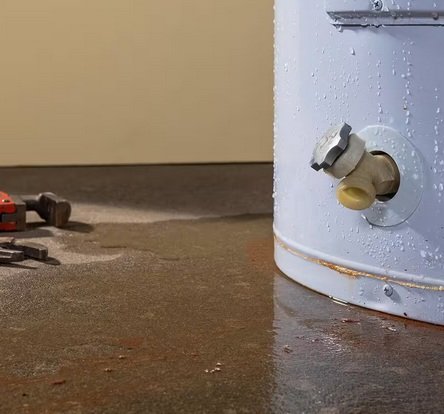
Hard water is defined as water that contains a high concentration of dissolved minerals, primarily calcium and magnesium. This mineral composition is often derived from the natural geology of the area, where water percolates through limestone or chalk. Unlike soft water, which is treated to remove these minerals, hard water can lead to several complications in household plumbing systems, particularly in water heaters.
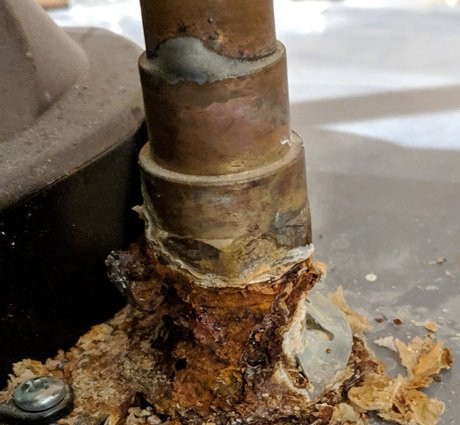
The presence of hard water can cause significant mineral buildup, commonly referred to as scale, within water heaters. As water is heated, these minerals precipitate out, settling at the bottom of the tank or on heating elements and pipes. This buildup restricts water flow and decreases the efficiency of heat transfer. Consequently, water heaters must work harder to achieve the desired temperature, leading to increased energy consumption and higher utility bills.
Moreover, the accumulation of scale can result in increased wear and tear on the water heater itself, reducing its lifespan significantly. Components such as heating elements may burn out more quickly due to the insulated layer created by the scale. This not only necessitates more frequent repairs but also may lead to premature equipment failure if not addressed promptly.
Furthermore, hard water can lead to various operational issues, including reduced hot water supply and inconsistent water temperatures. The presence of minerals can also affect the overall performance of other household appliances, making it crucial for homeowners to be aware of the risks associated with hard water.
In light of these challenges, regularly flushing water heaters becomes even more essential. This maintenance practice helps to remove mineral buildup, ensuring efficient operation and prolonging the water heater’s lifespan, making it an indispensable approach for households dealing with hard water issues.
Signs You Need to Flush Your Water Heater
Homeowners often overlook their water heater maintenance until problems arise. Recognizing the signs that indicate the need for a flush is crucial to maintaining an efficient system, especially in areas with hard water. One of the most noticeable signs is a reduced hot water supply. If you find that your shower runs out of hot water much quicker than before, it may signal sediment buildup within the tank, obstructing the heating elements. This accumulation can significantly hinder the heater’s ability to provide an adequate supply of hot water.
Another indicator is the presence of unusual noises emanating from the tank. Sounds such as popping, rumbling, or banging are typically a sign that sediment is settling at the bottom of the heater and may be causing the water to heat unevenly. This can lead to increased stress on the heating elements, potentially shortening the lifespan of the water heater.
An increase in energy bills can also hint at underlying issues with your water heater. If your energy costs have seen a noticeable increase, and you haven’t made any changes in usage, your water heater may be working harder to heat water due to sediment buildup. The deposits can cause the heating elements to operate less efficiently, thereby consuming more energy.
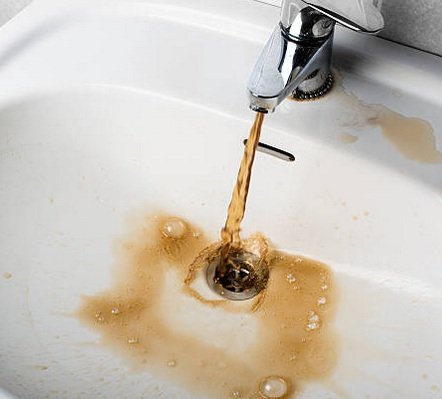
Finally, visible sediment buildup is a clear sign that your water heater needs flushing. If you notice discolored water or particles when you turn on hot water taps, it’s time to take action. Ignoring these signs can lead to more severe complications, including water heater failure or costly repairs. Regular flushing of the water heater enhances performance and extends its lifespan, making it essential for homeowners to stay vigilant and address these indicators promptly.
How to Properly Flush a Water Heater
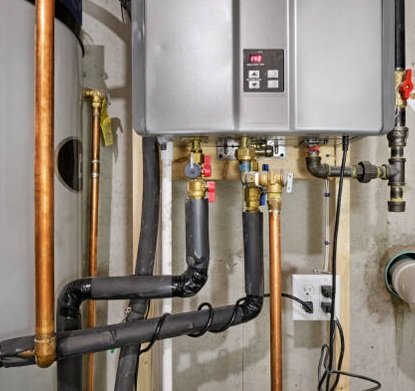
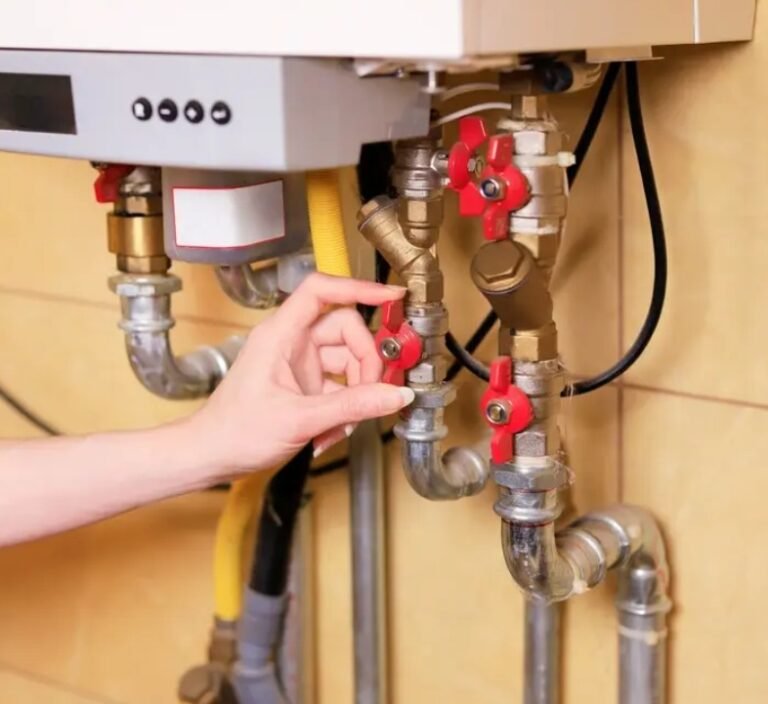
Flushing a water heater is an essential maintenance task that can significantly enhance its lifespan and efficiency, particularly for those who experience the challenges of hard water. To begin the flushing process, you will need several tools: a garden hose, a bucket, a flathead screwdriver, and a wrench for the drain valve, ensuring you have everything on hand will simplify the procedure.
Before proceeding, it is crucial to prioritize safety. Start by turning off the power supply to the water heater, either by switching off the circuit breaker for electric heaters or turning off the gas valve for gas heaters. Additionally, it is advisable to let the water cool down for several hours to prevent scalding injuries when opening the drain valve.
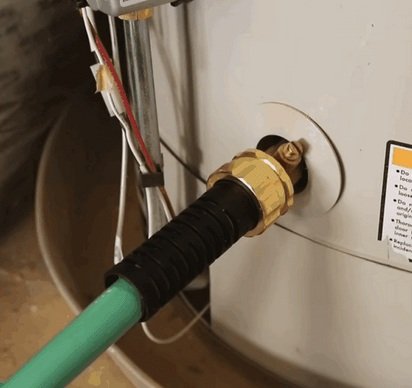
Once safety measures are in place, attach one end of the garden hose to the drain valve located at the bottom of the water heater. Ensure the other end of the hose is positioned over a suitable drainage area, such as a bucket or a floor drain to capture flushing water effectively. Open the drain valve slowly, allowing sediment and minerals that have accumulated at the bottom to emerge with the water. This step is particularly vital for homes with hard water, where mineral buildup can be significant.
After securing a steady flow, check for sediment discharge. Once the water runs clear, close the drain valve tightly and disconnect the hose. Refill the heater by ensuring the cold water supply valve is open. After the tank is filled, restore power to the heater.
It is recommended to flush your water heater every six months, especially under hard water conditions. Regular maintenance helps prevent the effects of sediment buildup, ultimately resulting in a more efficient and longer-lasting water heater.
Preventative Measures to Combat Hard Water Effects
Homeowners often face challenges when dealing with hard water, which can significantly impact the performance and longevity of water heaters. To mitigate these effects, there are several effective preventative measures that can be implemented. One of the most common solutions is the installation of a water softener. A water softener works by removing calcium and magnesium ions from the water, which are the primary culprits behind scale buildup. By replacing these hard minerals with sodium ions, the system significantly lessens the hardness of the water, thereby helping water heaters operate more efficiently and with reduced wear and tear.
Another effective method for combating the negative effects of hard water is the use of vinegar for descaling. Periodically flushing the water heater with a mixture of water and vinegar can help dissolve mineral deposits that accumulate over time. This simple, natural solution not only improves the water heater’s efficiency but also contributes to improved water quality throughout the home. Homeowners should consider conducting this descaling process every six months to a year, depending on the severity of their hard water conditions.
In addition to these methods, performing regular maintenance checks on the water heater can extend its lifespan and improve overall efficiency. Homeowners should inspect the anode rod, which helps prevent rusting inside the tank, and replace it as necessary. Additionally, checking for leaks or corrosion can prevent larger issues from developing. Incorporating a routine maintenance schedule will not only ensure that the water heater operates at its best but also save homeowners money on potential repairs and replacements in the future.