Understanding Hard Water and How a Water Softener Can Prevent Sediment Buildup
Hard water is defined as water that contains a high concentration of dissolved minerals, primarily calcium and magnesium. These minerals are naturally occurring and typically enter the water supply as it flows over limestone, gypsum, or other mineral-rich substrates. Municipal water systems and private wells are common sources of hard water, resulting in varying hardness levels based on geographical location and underlying geology.
This mineral-rich water poses several challenges for households. One of the most significant issues is the impact on plumbing systems. Over time, hard water can lead to the accumulation of mineral deposits, often referred to as scale. This buildup can clog pipes and reduce the efficiency of faucets and fixtures, leading to costly repairs and decreased water flow.
In addition to affecting plumbing, hard water can have adverse effects on household appliances. Dishwashers and washing machines may experience diminished performance, as mineral deposits accumulate within their mechanisms. This can lead to increased energy consumption and shorten the lifespan of these appliances, resulting in additional expenses for homeowners.
Furthermore, hard water can also influence personal care. Skin and hair may suffer from exposure to hard water, with many individuals reporting dryness and irritation. The minerals can impede the ability of soaps and detergents to lather effectively, leading to residual soap scum on skin and hair. This can make effective cleansing difficult, potentially exacerbating skin conditions or causing discomfort.
In essence, while hard water is prevalent in many areas, its mineral content can cause significant issues for plumbing, appliances, and personal care. Understanding these challenges is essential for households seeking to maintain optimal functioning and comfort in their daily lives.
Hard water is characterized by a high concentration of dissolved minerals, primarily calcium and magnesium. As this mineral-laden water flows through plumbing systems, it can lead to significant sediment buildup in pipes, faucets, and water heaters. This buildup occurs when these minerals precipitate out of the water as it cools or evaporates, forming deposits that gradually accumulate over time.
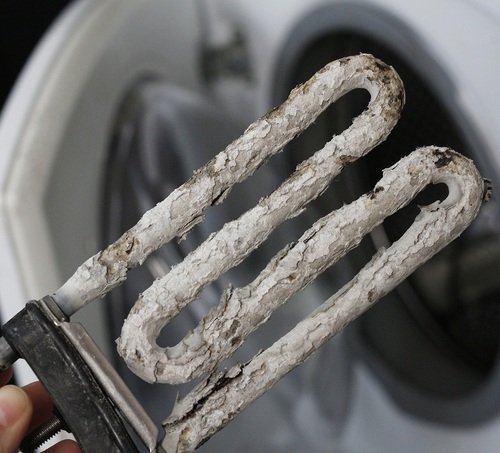
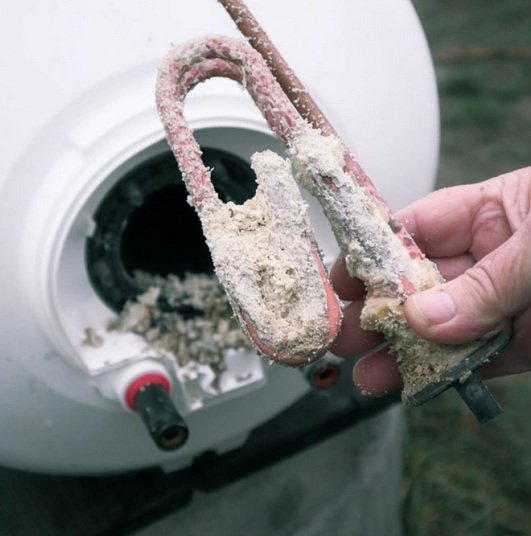
One of the most immediate consequences of sediment buildup is the reduction of water heating efficiency. In water heaters, scale formation can create an insulating layer on heating elements, requiring the system to operate for longer periods to achieve the desired water temperature. This inefficiency not only leads to increased energy bills but may also hasten the degradation of the heating appliance, resulting in costly repairs or replacements.
Additionally, sediment can negatively impact water pressure within plumbing systems. As pipes become constricted due to mineral deposits, the flow rate of water can diminish, leading to lower water pressure at faucets and fixtures. In scenarios where water demand is high, such as during peak usage times, this reduced pressure can become particularly inconvenient.
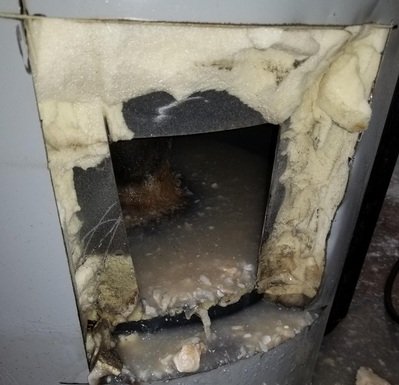
From a broader maintenance perspective, the presence of sediment in plumbing systems often necessitates more frequent maintenance and cleaning efforts. Homeowners may find themselves needing to flush their water heaters and repair or replace plumbing components more often due to the wear and tear caused by sediment buildup. Such expenses can accumulate over time, leading to higher long-term costs associated with overall home maintenance.
In summary, the consequences of hard water-induced sediment buildup extend beyond mere inconvenience. Addressing these issues proactively through the use of water softeners can serve as an effective preventive measure, preserving both the efficiency of water systems and the integrity of plumbing infrastructure.
Understanding How a Water Softener Works
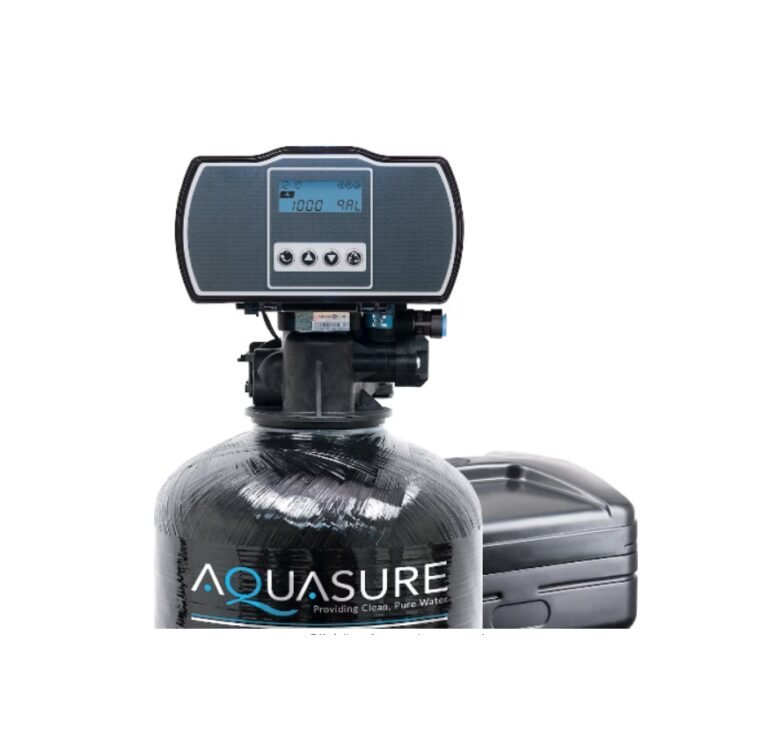
A water softener is a device designed to remove minerals that contribute to hard water, primarily calcium and magnesium. The predominant method employed by most water softeners is the ion exchange process. This mechanism effectively exchanges hard mineral ions for sodium or potassium ions from a resin within the unit. When hard water enters the system, it flows through resin beads coated with these sodium ions. As the hard water passes through, the calcium and magnesium ions adhere to the resin, while sodium ions are released into the water, thereby softening it.
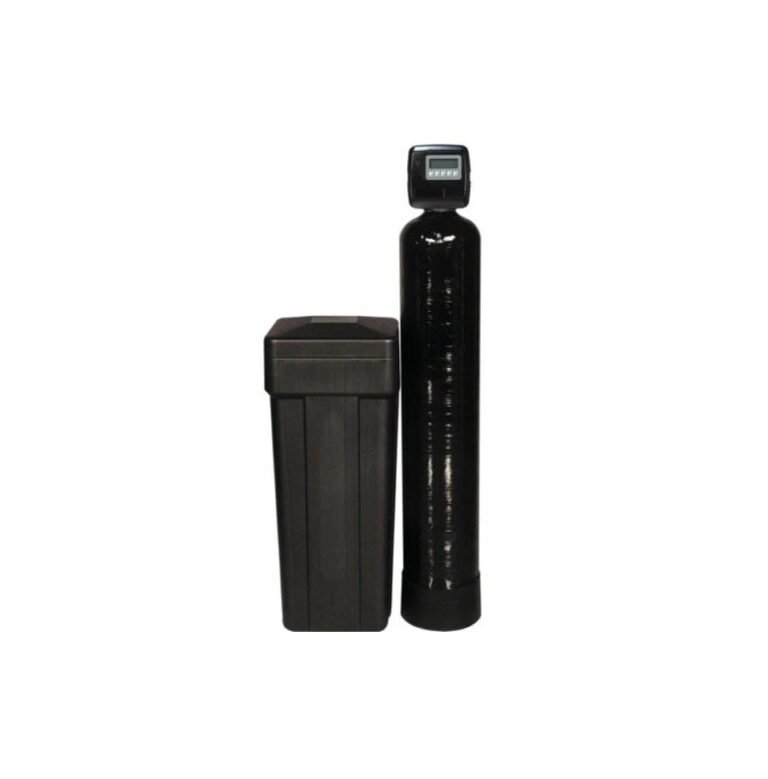
There are two primary types of water softeners: salt-based and salt-free systems. Salt-based softeners utilize the ion exchange process most commonly recognized in water treatment. They require regular maintenance, including the addition of salt to replenish the resin’s capacity to hold sodium ions. This system is highly effective in reducing hardness and preventing sediment buildup in plumbing and appliances.
In contrast, salt-free water softeners embrace a different mechanism that does not involve ion exchange. Instead, they frequently utilize a template-assisted crystallization process that alters the structure of hardness minerals, allowing them to pass through plumbing without causing buildup. While salt-free options are low-maintenance and do not require salt, their efficacy can vary depending on the specific unit and water conditions.
Utilizing a water softener can provide an array of benefits beyond simply preventing sediment buildup. Softened water can contribute to improved appliance longevity, as it reduces wear and tear caused by scaling. It also enhances water quality, leading to softer skin and hair, and can even elevate the effectiveness of soaps and detergents, subsequently lowering overall household cleaning costs. Therefore, investing in a water softener can be a significant step towards mitigating the negative impacts associated with hard water.
Choosing and Maintaining a Water Softener: Best Practices
When selecting a water softener, it is essential to consider several factors that will ensure optimal performance and satisfaction. First, assess the hardness level of your water. This often involves testing the water to determine the grains per gallon (GPG) of hardness, as different softeners have varying capacities. A household with high water usage or numerous occupants would require a more robust unit to effectively manage sediment buildup and hard water issues.
Next, consider the size of your household. Water softeners are rated by their grain capacity, which determines how much hardness the unit can treat before regeneration is necessary. A larger family may benefit from a water softener with a higher capacity to accommodate increased demand. Evaluate your budget as well; while some units are more affordable upfront, they may incur higher maintenance costs in the long run.
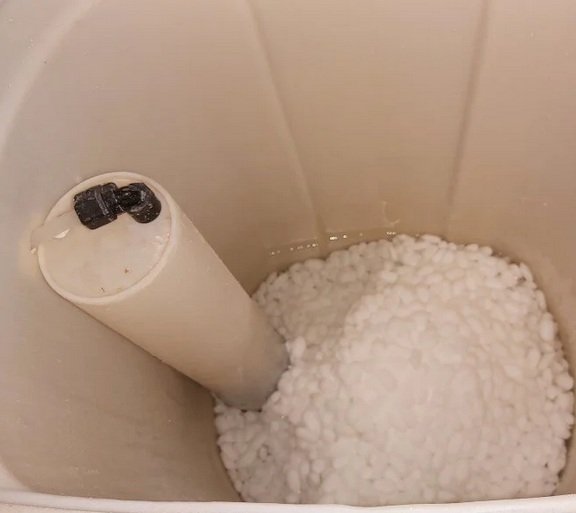
Maintenance plays a critical role in the longevity and efficiency of your water softener. Regular system checks, such as inspecting the resin tank and brine tank, will help identify potential issues early on. Monitoring the salt levels within the brine tank is crucial; it is recommended to refill the salt when it drops below the halfway point to ensure that the unit can continue effectively softening water. Additionally, scheduling professional maintenance annually can help keep the system running smoothly. Check for any salt bridges or clogs that may hinder performance, and troubleshoot any error codes indicated by the system.
In summary, choosing the right water softener involves understanding your water hardness, household size, and budget. By following these best practices for maintenance, homeowners can maximize the benefits of their water softener and successfully mitigate the problems associated with hard water.