How Installing Water Softeners Can Extend Your Water Heater’s Lifespan
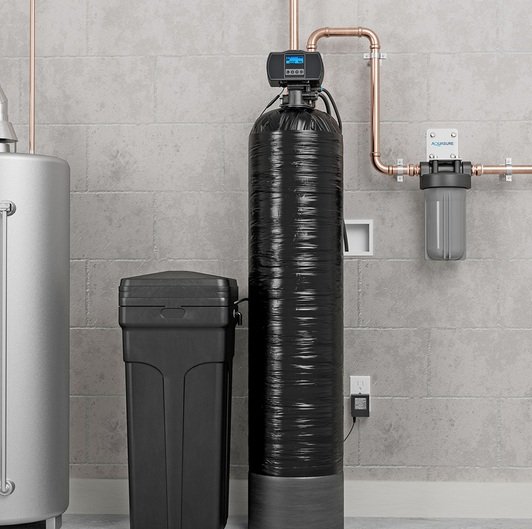
Water softening is a crucial process that involves the removal of minerals that contribute to water hardness, primarily calcium and magnesium, from the water supply. Hard water can pose various challenges within household plumbing systems, particularly affecting the efficiency and longevity of water heaters, among other appliances.
The minerals present in hard water can create scale buildup in pipes, boilers, and water heaters. This scale is made up of mineral deposits that accumulate over time, decreasing the efficiency of heating elements and increasing energy consumption. Over time, this can lead to more frequent repairs and ultimately a reduced lifespan for water heaters. In contrast, soft water, which has had these minerals removed, does not have the same scaling issues, allowing appliances to operate more effectively.
Understanding the implications of hard versus soft water can inform homeowners about the need for water softening systems. The installation of water softeners can significantly improve water quality, which translates to enhanced performance of water heaters and other appliances. Soft water not only extends the lifespan of these systems but also reduces the need for maintenance and repairs.
Additionally, soft water can improve overall household experiences, including cleaner dishes, softer laundry, and even better skin and hair health. Hence, understanding what water softening entails and why it is essential is vital for homeowners looking to optimize their water heating systems. The quality of water directly impacts the efficiency and longevity of water heaters, making water softeners an effective investment for maintaining and protecting your plumbing infrastructure.
The Impact of Hard Water on Water Heaters
Hard water poses significant challenges to the functionality and efficiency of water heaters. The primary issue arises from the accumulation of minerals, particularly calcium and magnesium, which can lead to scale buildup inside the tank. This scale acts as an insulating layer on the heating elements, thereby reducing their effectiveness. As a result, the heater must work harder to achieve the desired water temperature, which ultimately leads to an increase in energy consumption.
The presence of sediment and scale can also lead to reduced heating efficiency. Over time, the layers of scale can hinder the transfer of heat from the heating elements to the water itself. This not only results in a longer time to heat water but can also put additional strain on the heating system, thereby increasing wear and potentially leading to premature failures. In essence, a water heater that operates under hard water conditions is at a higher risk of malfunctioning due to the accumulated sediment.
Moreover, the ongoing effects of hard water can lead to increased operational costs. Heating elements that are consistently exposed to scale buildup may need to be replaced more frequently, adding to the overall maintenance expenses of a home. Furthermore, homeowners might find themselves investing in more frequent repairs or even sooner replacements of their water heaters, driven by the damaging effects of hard water. This cyclical issue not only affects budgetary allocations but can also lead to interruptions in hot water availability for daily activities. Understanding the impact of hard water is crucial for homeowners looking to extend the lifespan of their water heating systems.
Benefits of Installing a Water Softener System
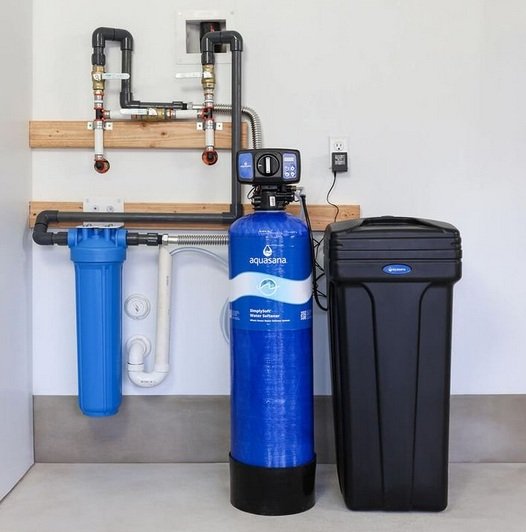
Installing a water softener system offers numerous advantages, notably enhancing the lifespan of household appliances such as water heaters. A water softener works by removing hardness minerals such as calcium and magnesium from the water supply. These minerals, while naturally occurring, can lead to significant issues over time, including scale buildup that coats the internal components of the water heater, resulting in decreased efficiency and increased energy costs.
One of the primary benefits of having a water softener is improved energy efficiency. Softened water allows your water heater to operate more effectively, as it does not have to work as hard to heat water. Consequently, this reduces energy consumption and can lead to lower utility bills. Studies have shown that homes with softened water can see a reduction in energy costs up to 30% in some cases. This efficiency not only prolongs the life of the water heater but also translates to significant savings over time.
In addition to improved efficiency, a water softener system enhances overall water quality for various household uses. Softened water is gentler on skin and hair, making it ideal for personal care routines. Additionally, it facilitates cleaning by reducing soap scum and mineral deposits, leading to cleaner dishes and brighter laundry. The benefits extend beyond personal care; softened water can minimize the need for harsh cleaning chemicals, contributing to a healthier home environment.
In essence, the installation of a water softener system is a wise investment for any homeowner. It not only protects and extends the life of water heaters but also provides improvements in efficiency, lower energy costs, and enhanced water quality for daily household activities.
Choosing the Right Water Softener: Tips and Considerations
When selecting a water softener, it is crucial to consider the specific needs of your household, as well as the characteristics of your water supply. One of the primary factors to assess is the size of your household, which directly impacts the water consumption and, as such, the capacity of the water softener. For larger families, a unit with a higher grain capacity is typically necessary to ensure ongoing efficiency and effectiveness in treating hard water.
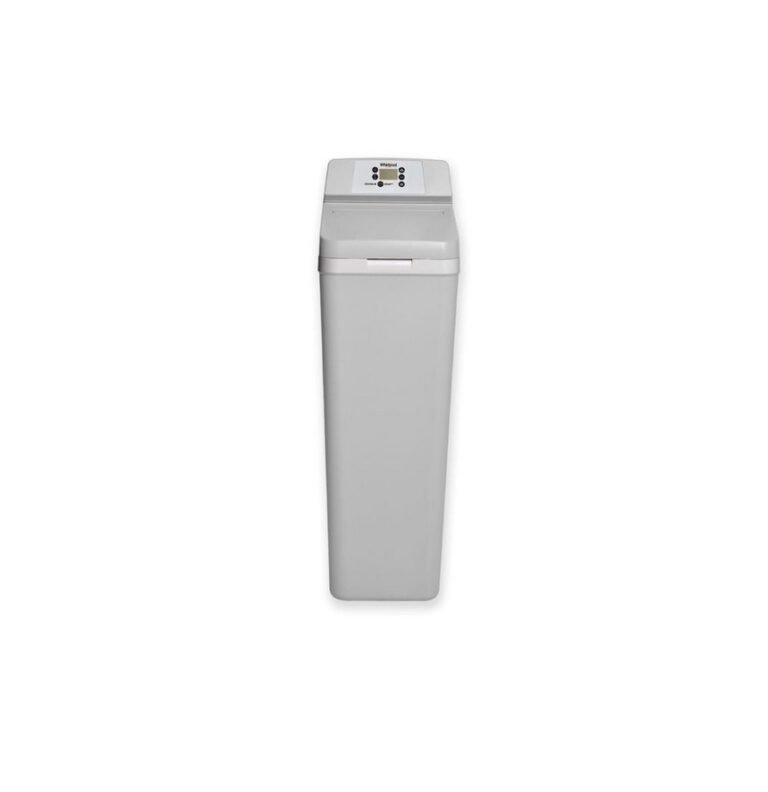
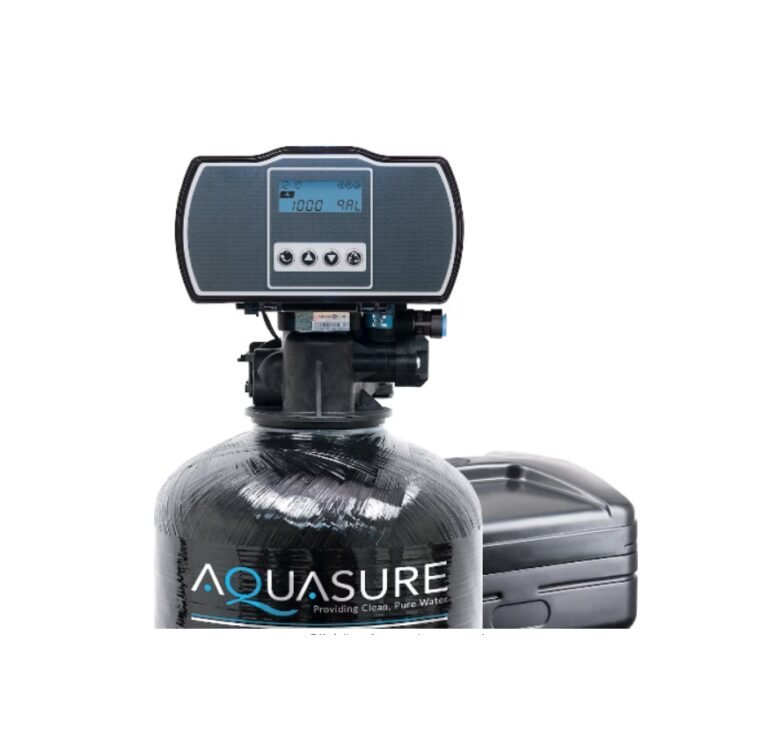
Furthermore, the type of water softener system should be evaluated. There are primarily two types: salt-based and salt-free water softeners. Salt-based systems operate by exchanging hardness minerals with sodium ions, providing effective results in reducing water hardness. On the other hand, salt-free systems utilize different technologies, such as Template Assisted Crystallization (TAC), to prevent minerals from binding to surfaces and scale formation. Each type has its advantages and considerations regarding cost, maintenance, and environmental impact, making informed decision-making essential.
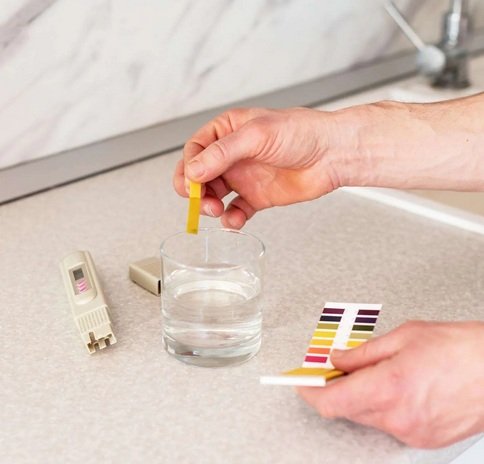
Installation requirements can also vary depending on the water softener chosen. It is advisable to consult with a water treatment professional who can analyze your water quality and recommend the most suitable system for your needs. During this evaluation, they may provide insights on necessary plumbing modifications or electrical requirements, ensuring a smooth and effective installation.
Maintenance considerations should not be overlooked. Most salt-based water softeners require regular replenishment of salt and periodic cleaning to maintain optimal performance. Conversely, salt-free units may have different maintenance needs, such as cartridge replacements or system monitoring. To guarantee longevity and peak operational efficiency, routine maintenance checks are recommended.
In conclusion, selecting the appropriate water softener involves careful consideration of household size, system type, installation requirements, and maintenance obligations. Consulting with professionals can guide you in making the best choice, ensuring improved water quality and extending the lifespan of your appliances.