The Importance of Clearly Labeling Your Water Heater Breakers
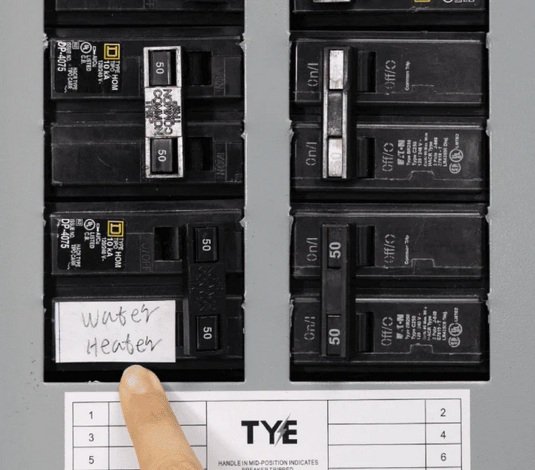
Clearly labeling circuit breakers, particularly those associated with water heaters, is a critical aspect of home safety and maintenance. The circuit breaker is a crucial electrical component that controls the power supply to various appliances, including water heaters. Ensuring these breakers are distinctly labeled minimizes the risk of accidents and facilitates efficient management during maintenance or emergencies.
Safety considerations are paramount when it comes to water heaters and their circuit breakers. Without clear labels, an untrained individual may unknowingly turn off the wrong breaker, leading to potential hazards such as electric shock, equipment damage, or subsequent water damage from an improperly functioning heater. Furthermore, in an emergency situation, the time taken to identify the correct breaker could escalate a manageable problem into a significant safety crisis.
Ease of maintenance also highly benefits from properly labeled circuit breakers. If a technician or homeowner needs to perform routine checks or repairs on the water heater, having a clear marker allows for swift identification of the correct circuit. This is particularly important in situations where multiple breakers are present. For instance, if maintenance is required, a technician can quickly locate the designated breaker without sifting through each one, which can save both time and reduce the risk of error.
Additionally, incorrect labeling can lead to severe repercussions. A scenario might unfold where a breaker tied to the water heater is mistakenly labeled as a breaker for another appliance, resulting in an unintentional power failure for essential services. Proper labeling prevents these potential mix-ups, ensuring that professionals can perform their duties effectively and safely. These factors underscore the essentiality of investing time in correct labeling; it not only promotes a safe environment but also streamlines maintenance tasks in the long run.
Best Practices for Labeling Water Heater Breakers
Labeling water heater breakers correctly is crucial for ensuring safety and ease of maintenance in residential and commercial settings. First and foremost, selecting durable materials for labels is paramount. It is recommended to use weather-resistant, water-proof labels made from vinyl or plastic, which can withstand changes in temperature and humidity. Such materials help ensure that the labels remain intact and legible over time, preventing confusion and accidents.
Additionally, the placement of labels plays a significant role in their visibility and effectiveness. Ideally, labels should be positioned near the electrical panel that controls the water heater. This allows for quick identification in case of emergencies or when routine maintenance is needed. It is advisable to place labels at eye level, ensuring that they can be easily seen without the need for excessive bending or stretching.
When labeling water heater breakers, it is essential to include specific information that aids in identification. The label should clearly display the amperage of the breaker, the type of water heater (such as electric or gas), and any other pertinent details, such as model numbers or installation date. This information helps technicians and homeowners alike to quickly understand the specifics of the system they are dealing with, which enhances overall safety.
Moreover, to maintain the effectiveness of the labeling system, periodic checks should be scheduled. This includes inspecting the labels for any signs of wear and ensuring that they remain current with any upgrades to the water heater system. If there are changes, such as a new installation or modifications to the existing system, it is imperative to update the labels accordingly. Keeping the labels in good condition reflects proactive maintenance and aids in safeguarding property and ensuring safety for everyone involved.
Common Mistakes to Avoid When Labeling Breakers
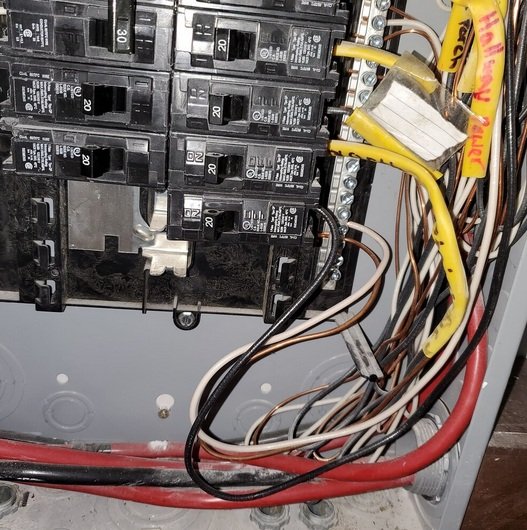
When it comes to labeling water heater breakers, clarity and precision are paramount. However, there are several common mistakes that both homeowners and professionals frequently make that can compromise the effectiveness of their labeling practices. One notable error is using incorrect or vague descriptions for the breakers. For instance, instead of a specific label such as “Water Heater Circuit 1”, some may simply write “Appliance”. This lack of specificity can lead to confusion, especially in emergency situations where quick identification is essential.
Another prevalent issue is the neglect to update labels after changes have been made. Home renovation or upgrades may entail reconfiguring or adding new circuits. Failure to update existing labels to reflect these changes can result in significant safety risks. Homeowners might mistakenly switch off the wrong breaker, which could inadvertently lead to electrical hazards or equipment damage.
Additionally, choosing labels that are prone to fading over time is a significant oversight. Labels that cannot withstand environmental factors, such as humidity or heat, will lose their clarity, rendering them nearly useless. For instance, if a label is used that fades due to the water heater’s heat, it may become illegible, posing a severe issue when trying to identify the correct breaker during maintenance or crisis situations.
Furthermore, some individuals may overlook the importance of placement, attaching labels in locations that are difficult to see or read quickly. Optimal visibility is crucial to ensure that anyone can easily read the labels, especially during emergencies. By being aware of these common mistakes and taking proactive measures to avoid them, individuals can significantly enhance the safety and functionality of their electrical systems.
Step-by-Step Guide to Labeling Your Water Heater Breakers
Properly labeling your water heater breakers is crucial for safety and efficiency. Before starting the labeling process, ensure you have the following tools and materials at hand: a label maker or waterproof label sheets, a permanent marker, scissors, a screwdriver, and safety goggles. These items will assist in creating clear and durable labels that can withstand steam and moisture.
Before you dive into the labeling process, it’s essential to prioritize safety. Start by switching off the main power supply to your electrical panel to eliminate any risk of electric shock. Wear safety goggles to protect your eyes from any potential debris when opening the panel. Once you are prepared, assess the current state of your breaker labels. Determine whether existing labels are faded, incorrect, or nonexistent. Taking inventory of your current labeling status will pave the way for a more organized system.
Next, create new labels that are clear, concise, and easy to read. Use large fonts and contrasting colors to enhance visibility. For instance, if your water heater operates on 220 volts, label it clearly with “Water Heater – 220V.” Consider including a diagram of your electrical panel if your labeling system is complex or involves multiple breakers. This can assist anyone who may need to reference the panel in the future.
Once you have designed your labels, it is time to apply them. Carefully clean the surface of each breaker with a dry cloth to ensure that the label adheres correctly. Apply your new labels next to each corresponding breaker, ensuring they are securely attached. After labeling, double-check your work by running a test to confirm that each breaker operates its designated appliance. This organized approach not only enhances safety but also facilitates quick identification and troubleshooting in the future.