Ensuring Your Water Heater Grounding is Intact: A Complete Guide
Grounding is a fundamental electrical safety practice that involves creating a physical connection between electrical devices and the earth. In the context of water heaters, effective grounding is essential for several reasons, primarily related to safety and equipment functionality. Without proper grounding, electrical faults can pose severe risks, including the potential for electrical shock or fire hazards.
One of the main roles of grounding in water heaters is to provide a safe path for electrical currents in the event of a fault. If an electrical component within the water heater fails, the grounding system redirects the unintended current away from users and toward the ground. This significantly reduces the risk of electric shock to anyone who may come into contact with the appliance.
Moreover, grounding helps to protect water heaters from electrical surges, which can occur due to lightning strikes or fluctuations in the power supply. These surges can damage the heating elements and other critical components of the appliance. A well-grounded system absorbs these excess voltages, ensuring that the water heater operates efficiently and prolonging its lifespan. Without grounding, water heaters are vulnerable to significant damage, leading to expensive repairs or replacements.
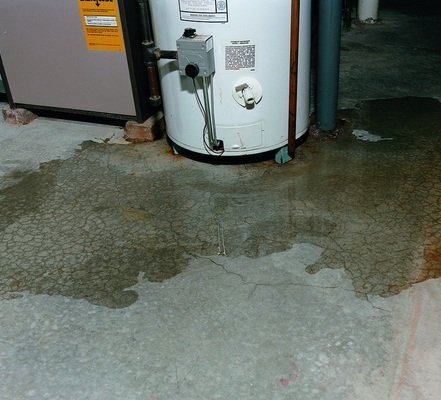
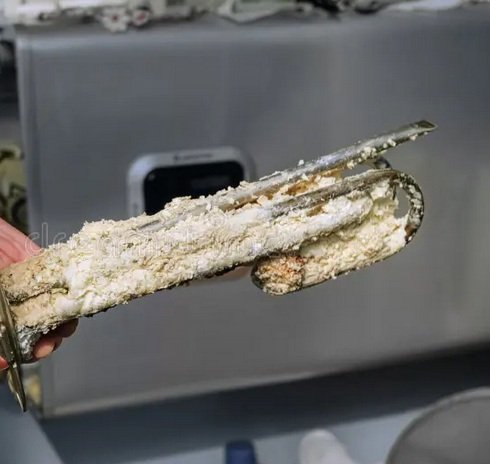
Improper grounding can lead to various risks, including corrosion of the water heater and its pipes. Corrosion not only compromises the efficiency and functionality of the system but can also result in leaks, water damage, and increased energy costs. Therefore, ensuring that your water heater’s grounding is intact is crucial for both safety and performance.
In summary, proper grounding of water heaters is vital to prevent electrical shocks, protect the appliance from surges, and maintain an overall safe environment in the home. Regular inspection and maintenance of grounding systems can help mitigate the risks associated with improperly grounded water heaters.
Identifying Signs of Grounding Issues in Your Water Heater
Recognizing the signs of grounding issues in your water heater is critical to maintaining a safe and efficient home environment. Grounding plays a vital role in protecting your electrical system, and any abnormalities should be addressed promptly. Here are some common symptoms indicating potential grounding problems.
One prevalent sign is the occurrence of unusual sounds emanating from the water heater. These sounds may include popping or hissing, which can imply that electrical currents are not being effectively diverted. If you hear these noises, it can be a clear indication that the grounding integrity of your water heater may be compromised. Such problems could escalate, leading to further damage or safety hazards.
Another crucial sign to monitor is the occurrence of frequent tripped circuit breakers. If your water heater causes circuit breakers to trip more often than usual, it may hint at grounding instability. This is typically due to electrical surges that happen when the grounding system fails to redirect excess electricity. Regularly experiencing this issue could signify a more significant problem that requires immediate attention.
Visually inspecting your water heater can provide additional clues regarding grounding issues. Begin by examining the grounding connections, ensuring they are securely fastened and free from corrosion. Look for any exposed wires or disconnections that could lead to grounding failures. If you notice any inconsistencies or damage in these components, it is advisable to have a professional electrician evaluate the situation.
In conclusion, being attentive to the symptoms of grounding problems in your water heater can prevent severe electrical hazards. By listening for unusual sounds, monitoring circuit breaker activity, and performing regular visual checks, you can ensure the well-being of your home’s electrical system and the safety of its occupants.
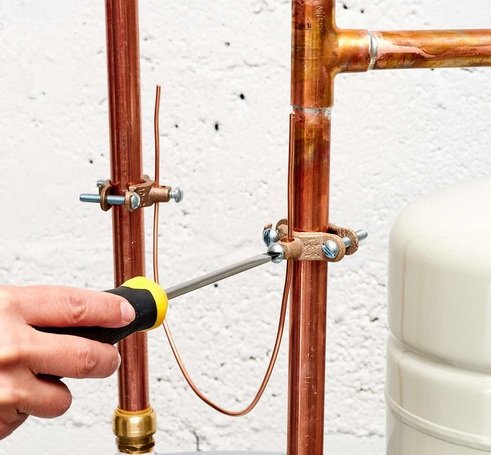
How to Ensure Proper Grounding of Your Water Heater
Ensuring the grounding of your water heater is crucial for both safety and efficiency. A properly grounded water heater protects against electrical faults and minimizes the risk of electrical shock. Here are the steps to check and maintain the grounding of your unit effectively.
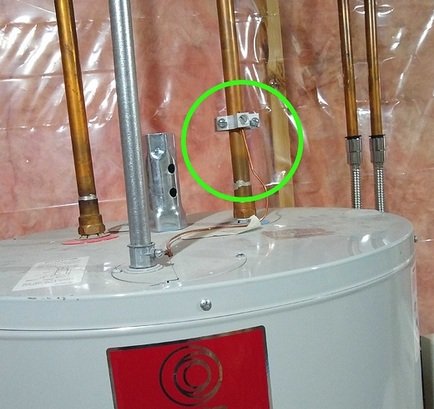
First, disconnect the power supply to the water heater to ensure safety while inspecting the system. Once the power is off, locate the grounding wire. It usually connects to the water heater’s metal frame and runs to a grounding electrode or grounding rod buried in the ground.
Next, conduct a visual examination of the grounding wire. Look for signs of wear, corrosion, or any disconnections. If the wire appears damaged, it is essential to replace it with a suitable gauge wire, typically copper or aluminum, depending on local electrical codes.
To perform a grounding test, you can use a multimeter. Set it to the resistance setting and probe the grounding connection; a reading of zero or very low resistance indicates a well-grounded system. Any significantly higher reading may indicate an issue that requires immediate attention.
Common issues include loose connections, corroded terminals, and broken wires. If you encounter these problems, tighten or replace the connections and ensure all components are properly secured. It is advisable to call a licensed electrician for severe electrical issues or if you are uncertain about performing these repairs yourself.
Regular maintenance plays a vital role in the longevity of your water heater’s grounding system. Schedule periodic inspections and clean any corrosion off connections to perpetuate optimal performance and safety. By following these steps, you can ensure that your water heater’s grounding remains intact, significantly reducing electrical hazards in your home.
Preventive Measures and Best Practices for Water Heater Grounding
Maintaining the integrity of water heater grounding is essential for ensuring safety and optimal performance within residential settings. Regular maintenance checks should be a routine part of any homeowner’s responsibilities. These checks can help identify any potential issues with the grounding system and allow for timely interventions. It is advisable to inspect the ground wire connections, ensuring they are secure and free from corrosion.
Updating older systems is another vital aspect in maintaining proper grounding. Many older homes may still rely on outdated technologies, which may not meet current safety standards. Upgrading these systems can enhance safety and compliance with local electrical codes, thus preventing hazards associated with faulty grounding. Homeowners should consider consulting with a licensed electrician to assess their existing installations and recommend necessary updates.
Safety tips should always be kept in mind when working with water heater systems. First, ensure that the power supply is turned off before conducting any inspections. Furthermore, using appropriate protective gear can minimize the risk of electrical shock. Homeowners should also educate themselves about their local electrical codes, as these guidelines can dictate specific requirements related to water heater installations and grounding practices.
The advantages of having a properly grounded water heater cannot be overstated. A well-grounded system substantially reduces the risk of electrical shocks and appliance damage, contributing to overall home safety. Regularly following preventive measures and abiding by best practices not only prolongs the appliance’s life but enhances the safety and functionality of the household’s plumbing system. By prioritizing water heater grounding, homeowners can ensure peace of mind while enjoying the numerous benefits a properly grounded system provides.