Understanding and Troubleshooting Tripped Breakers in Your Water Heater
A water heater tripping its breaker can be a disruptive experience, often indicating underlying electrical or mechanical issues. Several factors contribute to this occurrence, primarily involving electrical overload, short circuits, faulty wiring, and defective components within the water heater itself. Understanding these causes can aid in effective troubleshooting.
One major reason for a tripped breaker is electrical overload. This happens when the water heater draws more current than the circuit is designed to handle. If the heater’s specifications exceed the circuit capacity—either due to older wiring systems or increased heater demands—the breaker will activate as a safety measure to prevent overheating and possible fire hazards. Signs of an overload include frequent tripping of the breaker, often during peak usage times.
Another common cause is a short circuit, which occurs when the live wire contacts the neutral wire, leading to an unexpected surge of electricity. This can happen due to worn-out insulation or improper installation of the water heater. Indicators of a short circuit may include sparking sounds or visible damage to wiring, necessitating immediate inspection and repair.
Faulty wiring can also contribute to breaker trips. Over prolonged use, wires may deteriorate due to heat or moisture exposure. If wires become frayed or connections loosen, the electrical flow can become erratic, resulting in the breaker tripping. Regular inspections may prevent such problems from escalating.
Lastly, defective components within the water heater, such as a malfunctioning thermostat or heating element, can lead to increased electrical resistance. This overheating may cause the breaker to trip. Users should monitor their water heater’s performance, such as unusual sounds or efficiency drops, signaling potential internal issues that require professional evaluation.
Signs Your Water Heater is Malfunctioning
Identifying the early signs of a malfunctioning water heater is crucial for preventing further issues that could result in tripped breakers or even safety hazards. One of the most common indicators of water heater problems is insufficient hot water supply. If you notice that your hot water is running out quickly or that it takes longer than usual to heat, it could signify a malfunctioning thermostat or heating element. These components work to ensure consistent water temperature, and their failure might lead to frequent interruptions in service, possibly resulting in electrical circuit overloads that cause the breaker to trip.
Another sign to consider is unusual noises coming from the water heater. Sounds such as popping, rumbling, or hissing might suggest sediment buildup within the tank, which can lead to overheating and potential damage to the heating elements. This overheating can further strain the electrical system, leading to breaker trips. Therefore, if your water heater is making strange noises, it is crucial to investigate the issue promptly.
Leaks are another critical indicator that your water heater may be malfunctioning. Any visible water pooling around the unit can signal significant problems such as a failing tank or connection. Leaks can not only cause water damage but may also pose a risk of electrical hazards due to water coming into contact with electrical components. This situation could certainly lead to tripped breakers.
Lastly, discolored water should not be overlooked as a warning sign. If your hot water appears rusty or brown, it may indicate corrosion within the heater or contaminated water supply. Both situations can contribute to increased strain on your water heater’s electrical system.
How to Troubleshoot a Water Heater Trip
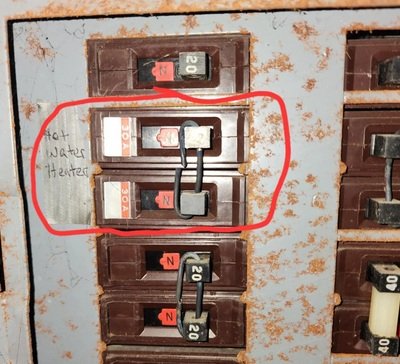
Troubleshooting a water heater that causes a breaker to trip requires a methodical approach to identify and rectify the issue. Start by ensuring your safety. Switch off the power to the water heater at the main breaker to prevent electrical hazards. Wear insulated gloves to enhance safety during the process.
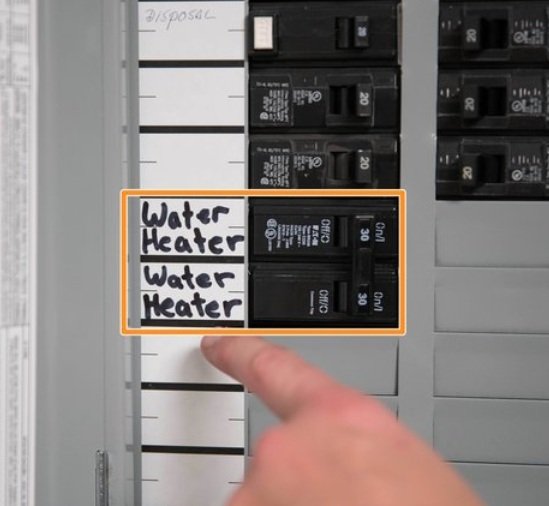
The first step in troubleshooting is resetting the breaker. Locate your circuit panel and identify the breaker that controls the water heater. Flip the breaker to the off position and then back to the on position. If the breaker remains reset, proceed to check the power supply to the heater. Ensure the water heater is connected and that any external power sources, such as extension cords or GFCI outlets, are functioning properly.
Next, conduct a visual inspection of the water heater for any evident signs of issues. Look for frayed wires, burn marks, or water leaks around the electrical connections. If you observe any of these defects, it may indicate an internal malfunction requiring professional attention.
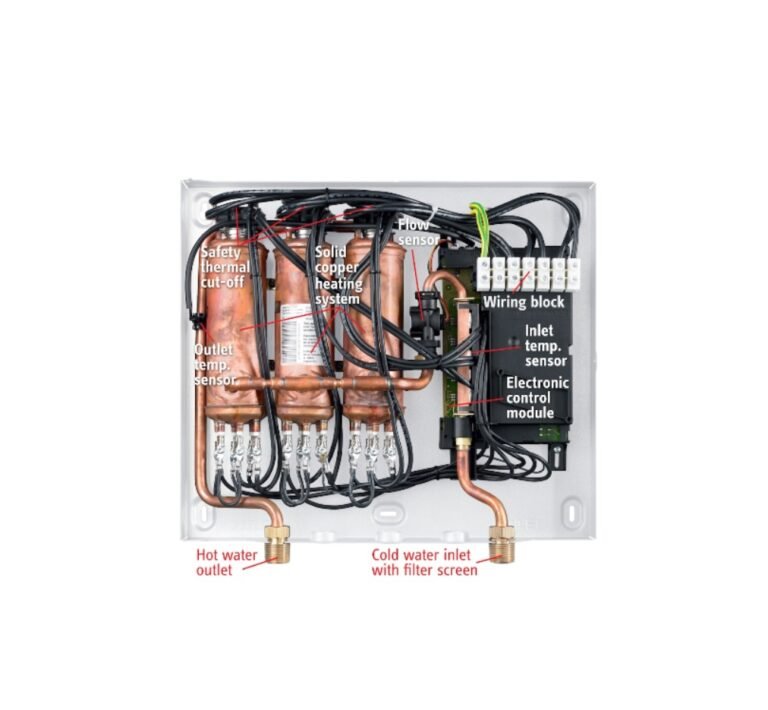
If the breaker continues to trip, additional checks may be necessary. Inspect the thermostat and heating elements of the water heater. These components can fail, causing short circuits that trip the breaker. A multimeter can be useful here to test the electrical resistance of these elements.
In some cases, the problem might not originate from the water heater but from the circuit itself—overloading can occur if multiple appliances share the same circuit. If your troubleshooting efforts do not resolve the issue, it is essential to consult a certified electrician. Their expertise can provide deeper insights and ensure any repairs meet safety standards.
Avoid common mistakes such as attempting to repair the water heater while it is still energized, which can lead to serious injury. Always prioritize caution and when in doubt, seek professional assistance.
When to Call a Professional for Your Water Heater Issues
While many water heater issues can be resolved through basic troubleshooting, there are critical situations where the expertise of a certified technician is indispensable. Recognizing when to seek professional help is essential to ensure both safety and the effective functioning of your unit.
Recurring tripped breakers is one of the primary indicators that a professional should be consulted. If the circuit breaker continues to trip despite resetting it, this may suggest an underlying electrical issue that must be addressed. Persistent breaker problems could indicate insufficient power supply, faulty wiring, or a malfunctioning water heater. Ignoring these symptoms could lead to more severe electrical hazards, including fire risks.
Additionally, unresolved leaks can pose significant threats to your home and health. A water heater that leaks may not only increase water bills but can also cause severe water damage to surrounding areas. Beyond superficial damage, prolonged exposure to moisture can lead to mold growth, posing health risks to you and your family. If you notice any form of seepage that persists, it is advisable to consult a professional who can identify and rectify the source of the leak efficiently.
Finally, any significant electrical issues, such as strange noises coming from the unit, signs of corrosion, or the smell of gas (in the case of gas-powered water heaters), warrant immediate attention from a certified technician. These symptoms indicate potentially hazardous conditions and should not be ignored. A licensed expert will possess the necessary tools and knowledge to diagnose and resolve these issues safely.
In conclusion, while it is essential to address minor water heater problems yourself, certain situations require the skills of a professional. From recurring breaker trips and unresolved leaks to significant electrical issues, recognizing these signs can help ensure the safety and longevity of your water heater, as well as your home.